Mergers and acquisitions are like the high-stakes game of chess in the business world, where each move can significantly impact the outcome. As companies join forces to expand their reach, reduce competition, or enter new markets, ensuring a smooth and successful transition becomes paramount. One vital piece of this puzzle is technology due diligence. Imagine diving into a merger without knowing how the acquired company’s technology stacks up. It could lead to unforeseen costs, security risks, and integration challenges. In fact, a study by PwC found that a staggering 80% of merger mishaps stem from inadequate due diligence and integration problems. With technology playing an ever-increasing role in business operations, understanding its status and potential can be the difference between success and failure in the M&A landscape. Let’s explore how technology due diligence acts as a linchpin in mergers and acquisitions, paving the way for smoother transitions and enhanced value realization.
Defining Technology Due Diligence in M&A
Mergers and acquisitions (M&A) are complex processes that require thorough evaluation and assessment to ensure successful integration and long-term value creation. One crucial aspect of this evaluation is technology due diligence, which involves a comprehensive analysis of the technological landscape of the target company. In the digital age, technology plays a pivotal role in the operational success and strategic positioning of businesses. Therefore, understanding and evaluating the technology infrastructure, capabilities, and potential of a target company is paramount.
Core Elements of Technology Due Diligence
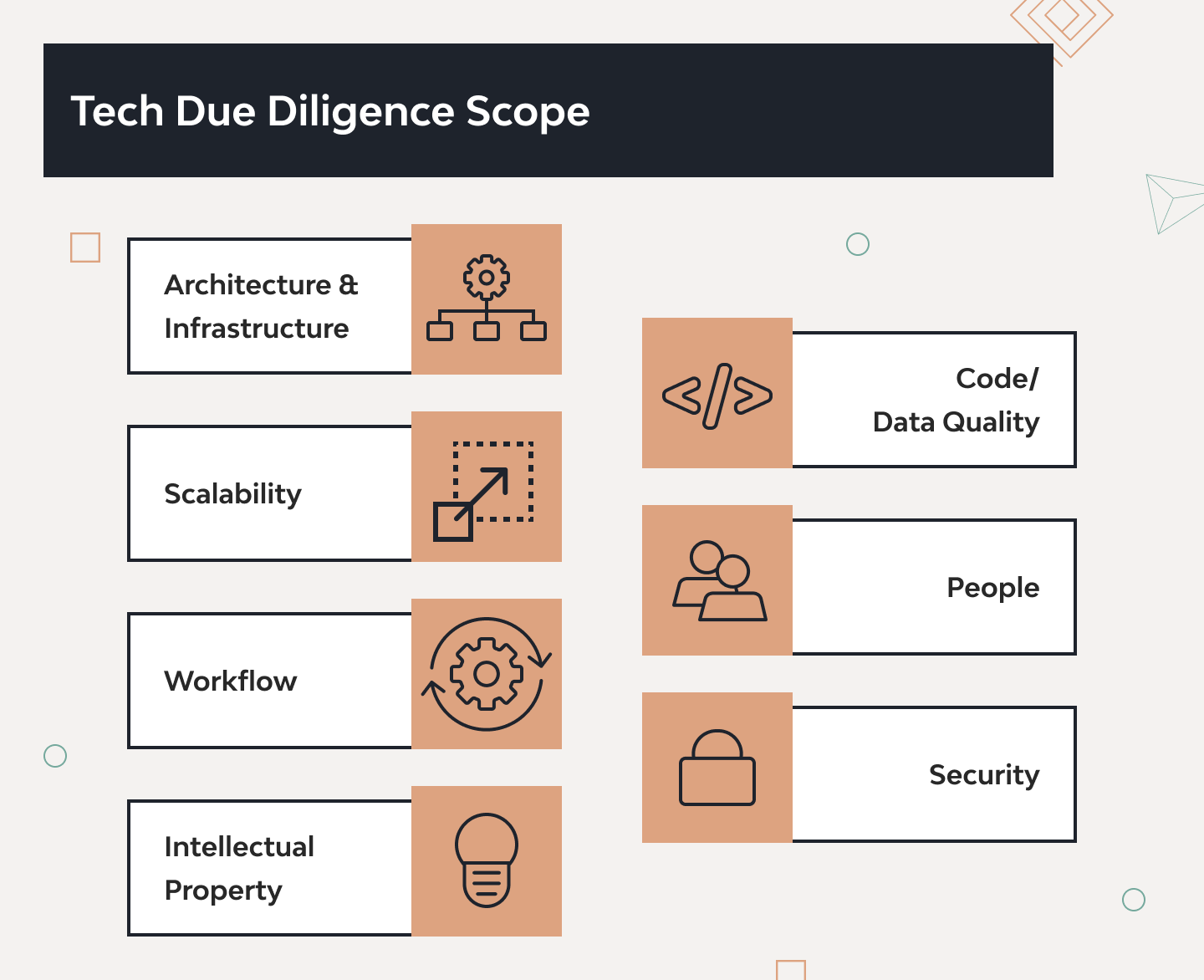
Technology due diligence in M&A encompasses several core elements. It begins with a thorough review of the information technology infrastructure, which includes hardware, software, data management systems, and network architecture. This evaluation helps identify any potential risks or liabilities that could hinder integration or increase operational costs post-acquisition. Moreover, assessing the cybersecurity posture is critical, as data breaches or vulnerabilities can significantly impact the transaction’s success and the acquirer’s brand reputation.
Another essential component is the evaluation of intellectual property (IP) and compliance with relevant legal standards. Ensuring that the target company possesses robust IP rights and adheres to industry standards is vital for safeguarding competitive advantage and avoiding legal entanglements. Additionally, technology due diligence involves examining the development capabilities of the target, including technical talent and team dynamics, which are often indicators of the company’s potential to innovate and adapt to market changes effectively.
The Shift towards AI and Automation in Due Diligence
Recent trends indicate a significant shift towards incorporating artificial intelligence (AI) and automation into technology due diligence processes. Leveraging AI tools enables acquirers to gain deeper insights into potential acquisition targets. For instance, AI-driven analytics can uncover hidden risks and opportunities by analyzing massive datasets and identifying patterns that may elude traditional due diligence methods. Automation, on the other hand, can streamline the due diligence process by automating repetitive tasks, thereby saving time and reducing human error.
According to D-LAB research, integrating AI and automation in due diligence not only enhances efficiency but also provides a more accurate and comprehensive assessment of the technological landscape. Such innovations support better decision-making and improved transactional outcomes.
The profound influence of technology in shaping business strategies cannot be overstated. As we move forward into the strategic importance of technology due diligence, it becomes clear that aligning technological capabilities with strategic goals is vital for maximizing the value of any M&A deal.
Strategic Importance of Technology Due Diligence
Aligning Technology with Strategic Goals
Technology due diligence plays a pivotal role in aligning the technological capabilities of a company with its strategic objectives during a merger or acquisition. In modern business environments, technology is not just a supporting function but a core aspect of strategic planning. Ensuring that the technology infrastructure of a target company can support shared strategic goals significantly enhances the chances of a successful merger or acquisition. By evaluating the technological landscape, businesses can make informed decisions that align operations, reduce integration risks, and secure competitive advantages.
Identifying Risks and Opportunities
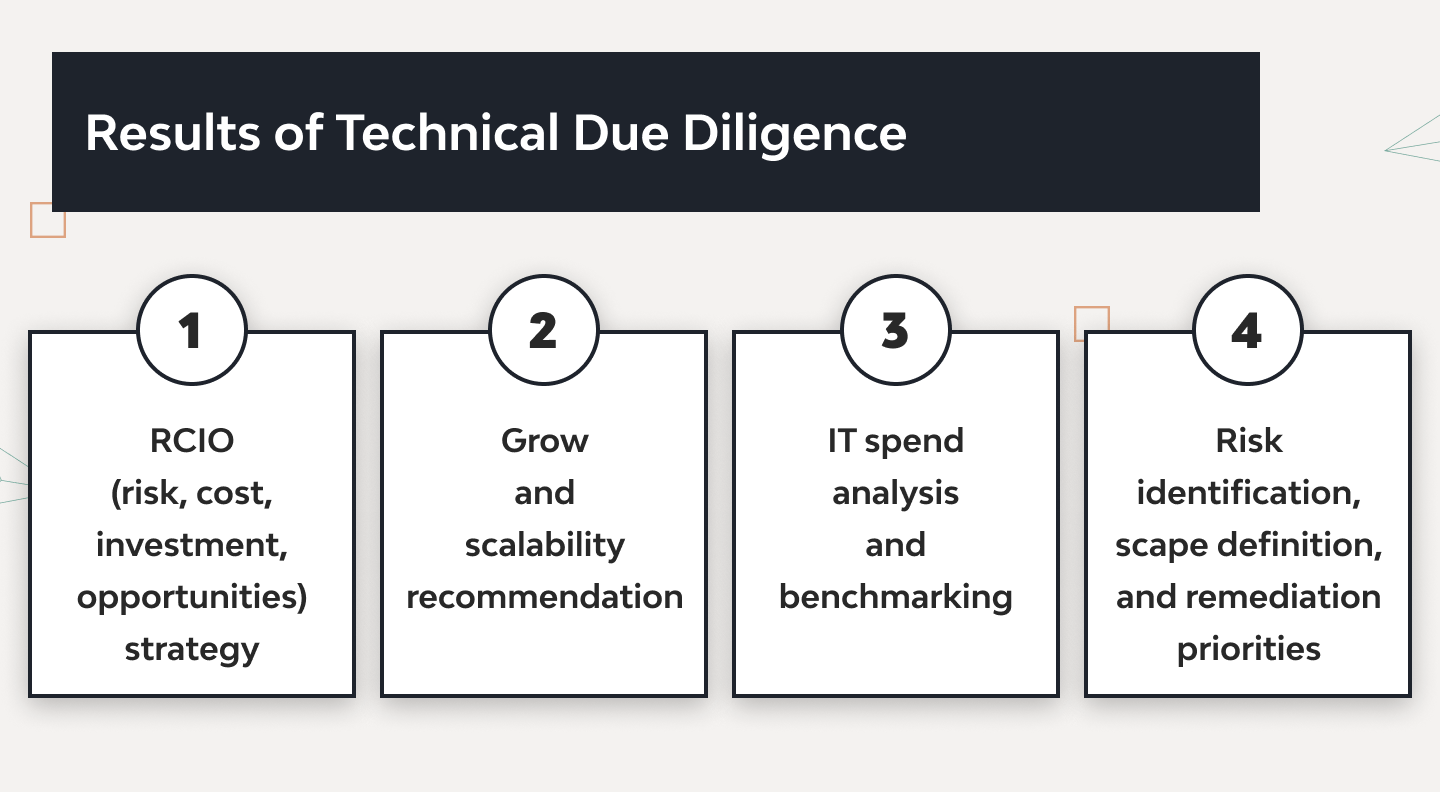
Conducting thorough technology due diligence allows companies to identify potential risks and opportunities hidden within the technical domain. It helps uncover the technical debt that might influence the overall valuation or reveal hidden opportunities such as underutilized patents, proprietary technologies, or innovative processes that could be leveraged for growth. According to D-LAB research, recognizing these aspects early in the process can neutralize significant risks and optimize the merger outcomes by paving the way for smoother integration and improved strategic focus.
Enhancing Valuation through Technology Insights
Another critical aspect of technology due diligence is its capacity to enhance the overall valuation of an acquisition or merger. By providing deep insights into the technological assets and capabilities of a target company, it becomes possible to recognize value creation opportunities that amplify transactional value. Factors such as AI-driven capabilities, intellectual property, and robust IT infrastructures can have substantial positive impacts on the valuation, as evidenced by insights from D-LAB research, which demonstrate that identifying these elements contributes to revenue growth and operational efficiencies post-merger.
As we transition to discussing the key components of effective tech due diligence, such insights reveal how essential it is to adopt a comprehensive approach that not only safeguards investments but also fosters innovation and long-term growth.
Key Components of Effective Tech Due Diligence
Conducting effective technology due diligence is crucial in mergers and acquisitions, ensuring that technological assets are not only aligned with the strategic goals but are also free from potential risks that could affect the valuation and operational synergies post-acquisition. Each component plays a significant role in evaluating the target’s technology landscape, facilitating informed decisions for prospective buyers.
IT Infrastructure and Systems Analysis
A thorough examination of IT infrastructure and systems is foundational to technology due diligence. This includes assessing servers, cloud services, network configurations, and overall IT architecture. A detailed analysis provides insights into the scalability, efficiency, and adaptability of the existing systems during integration phases post-M&A. According to D-LAB research, such due diligence ensures technology can support business expansion without necessitating immediate or extensive restructuring.

The image above outlines the steps involved in using AWS Audit Manager for risk and compliance assessment in M&A, emphasizing how systematic auditing enhances due diligence. Such frameworks help identify integration points and areas requiring updates or investments, leveraging technologies like cloud solutions for seamless transitions.
Cybersecurity and Data Protection Insights
In today’s digital world, cybersecurity and safeguarding data are critical in technology due diligence. Evaluation should cover the robustness of the cybersecurity frameworks such as ISO 27002 and NIST 2.0, which defend against potential breaches and compliance issues. As per industry insights, investing in cybersecurity reduces risk and builds buyer trust, highlighting the importance of proven security measures to protect intellectual property and customer data.
Evaluating Intellectual Property and Compliance
Intellectual Property (IP) is a valuable asset, and its assessment can significantly affect a company’s valuation. Due diligence should confirm the ownership, protection status, and potential infringements related to patents, trademarks, and copyrights. Compliance with industry regulations is equally crucial, influencing strategic and operational decisions post-merger.
Assessing Technical Talent and Team Dynamics
An often-overlooked but vital component is evaluating the technical team. This involves understanding the skills, expertise, and team structure, which are pivotal for successful integration and continuing innovation. D-LAB research stresses that aligning technical talent with business objectives facilitates smoother transitions and accelerates value realization from the merger.
Having covered the essential components of a successful tech due diligence, the next focus is on understanding the transformative potential of AI in enhancing company valuations, ensuring that technology not only supports operations but powers growth through innovative solutions.
Unique View: Leveraging AI for Valuation Enhancement
The advent of Artificial Intelligence (AI) in the mergers and acquisitions (M&A) sphere has heralded new dimensions in valuation enhancement. By integrating AI-driven technology, businesses are positioned to not only streamline operations but also significantly boost their market value ahead of, during, and after mergers. This section delves deeper into how AI can be tactical in driving valuation enhancements through predictive maintenance, sales uplift, and customer retention.
AI for Predictive Maintenance and Efficiency
AI-driven predictive maintenance is revolutionizing the supply chain by allowing companies to foresee maintenance needs and avoid costly equipment downtimes. According to D-LAB research, businesses utilizing predictive maintenance experience a 50% reduction in unplanned machine downtime and a 30% boost in operational efficiency. Such technologies help extend machine lifetime by 20-30%, thus preserving capital expenditure and enhancing manufacturing capabilities. Ultimately, these efficiencies contribute to increased EBITDA margins and strengthened valuation multiples during M&A negotiations.
Enhancing Sales through AI-Driven Tools
Sales augmentation using AI agents and analytics tools presents another layer of potential value enhancement. AI empowers sales teams by automating CRM tasks, identifying high-potential prospects, and personalizing outreach efforts. As evidenced by medium-term valuation drivers, AI tools can lead to a 50% increase in revenue and a 40% reduction in sales cycle time – metrics that are critically attractive to investors. Additionally, AI-powered dynamic pricing solutions help optimize pricing strategies, contributing to a potential 25% increase in revenue.
AI Solutions for Customer Retention and Growth
Customer retention is a vital driver of valuation, and AI can substantially fortify this aspect. Tools such as AI Customer Sentiment Analytics offer deep insights into consumer behavior, enabling companies to tailor experiences that boost loyalty and retention. D-LAB research reports a 30% reduction in customer churn and a 20% revenue leap when entities leverage AI-driven engagement platforms. Such outcomes underscore the strategic value of AI in maintaining a robust customer base, an asset often reflected in higher valuation assessments.
As we appreciate the vast potential of AI in enhancing valuations, it becomes crucial to recognize the risks associated with neglecting technology due diligence altogether. A comprehensive analysis ensures continuity and guards against potential pitfalls that could compromise the acquisition’s success.
Potential Pitfalls of Skipping Technology Due Diligence
Impacts on Business Continuity and Growth
Skipping technology due diligence in mergers and acquisitions can significantly disrupt business continuity. Without a thorough understanding of the IT infrastructure, companies may face unexpected integration challenges resulting in downtime that hampers operations. Such disruptions could lead to a loss in productivity, negatively affecting growth prospects. Furthermore, unresolved technical incompatibilities may manifest in inefficient workflows, hindering the scalability of merged entities. According to D-LAB research, neglecting this critical step often results in the underutilization of technological assets, impairing strategic growth initiatives.
Financial and Reputational Repercussions
The financial implications of overlooking technology due diligence are substantial. Enterprises might incur unforeseen costs due to necessary post-acquisition technology upgrades or system overhauls. Such expenditures can inflate beyond initial valuation estimates, reducing potential profit margins and affecting the financial viability of the merger or acquisition. Additionally, if cybersecurity assessments are bypassed, the risk of data breaches increases, leading to hefty fines and legal repercussions. Not only can this result in widespread economic damage, but the reputational impact can be just as costly. Damaged brand integrity can erode customer trust and, over time, diminish competitive standing in the market as outlined in insights from Diligize’s report.
To ensure that mergers and acquisitions truly deliver on their potential, it’s imperative for companies to implement best practices in conducting technology due diligence. Understanding how to define the scope and objectives of such assessments is crucial for aligning technological insights with overarching strategic goals.
Best Practices for Conducting Technology Due Diligence
Defining Scope and Objectives
A successful technology due diligence process begins with clearly defining its scope and objectives. This involves identifying critical technology areas relevant to the acquisition target, such as existing IT infrastructure, software architecture, cybersecurity measures, and intellectual property rights. A well-defined scope ensures that the due diligence process is both comprehensive and aligned with strategic business goals. Setting clear objectives helps focus efforts on key issues that might impact the merger’s success or pose potential risks.
Forming a Competent Due Diligence Team
Assembling a team of experienced professionals is crucial for effective technology due diligence. This team should include experts from various fields, such as IT, cybersecurity, intellectual property, and legal and financial advisors. This multidisciplinary approach ensures that all aspects of the target company’s technology landscape are thoroughly analyzed, and any integration challenges or risks are identified early. Having a solid team helps in making better decisions that contribute to the overall success of the merger.
Utilizing AI and Data Analytics for Insights
Leveraging AI and data analytics enhances the due diligence process by providing valuable insights into the target company’s technology and operations. AI-driven tools can analyze vast amounts of data quickly, uncovering patterns and insights that might otherwise go unnoticed through traditional methods. This approach not only speeds up the process but also increases accuracy in identifying potential issues or opportunities for value creation. According to D-LAB research, implementing AI in due diligence can improve the likelihood of a successful merger by revealing hidden opportunities and risks.
Incorporating these best practices ensures a comprehensive and effective technology due diligence process, ultimately improving the chances of a successful merger and acquisition. With the initial groundwork laid, we can now explore illustrative examples and real-world case studies that highlight the impact of thorough technology due diligence on merger outcomes.
Real-World Examples and Case Studies
Successful Integrations through Tech Due Diligence
In the realm of mergers and acquisitions, a well-executed technology due diligence process is often the linchpin of a successful integration. A notable example is the acquisition of LinkedIn by Microsoft in 2016. Before finalizing the $26 billion deal, Microsoft’s technology due diligence team rigorously assessed LinkedIn’s IT systems, ensuring they aligned with Microsoft’s strategic business goals and existing technology stack. This thorough vetting process facilitated a seamless integration and subsequently led to the rapid growth of LinkedIn as part of Microsoft’s ecosystem.
Another successful case involves Salesforce’s acquisition of Slack. With a keen focus on technology due diligence, Salesforce was able to identify synergies that enhanced its customer relationship management platform. By meticulously evaluating Slack’s IT infrastructure and future growth capabilities, Salesforce was able to integrate Slack’s services efficiently, resulting in enhanced productivity for their clients.
Lessons from Notable M&A Deals
While there are successes, the risks of inadequate technology due diligence are exemplified in the HP and Autonomy deal. HP’s acquisition of Autonomy for $11 billion is often cited as a case where oversight in technology evaluation led to severe post-acquisition issues. Essential discrepancies in Autonomy’s accounting and IT systems were overlooked, culminating in a significant write-down of nearly $8.8 billion, highlighting the financial repercussions of insufficient tech due diligence.
Another cautionary tale is the AOL-Time Warner merger, where a lack of thorough analysis of technological compatibility and market changes resulted in significant integration challenges and massive value loss. These examples underscore the critical importance of technology due diligence as part of the M&A process to not only identify potential integration challenges but also to unlock value through tech synergies.
The upcoming section delves into the potential pitfalls companies might face if they skip technology due diligence, providing insight into how these oversights can impact business continuity and growth.