READ MORE

AI Capital Partners: Transforming Investment with Technology

Welcome to a fascinating journey with AI Capital Partners, where cutting-edge technology meets the traditional world of investment. In an era where artificial intelligence (AI) is reshaping industries around the globe, AI Capital Partners stands at the forefront, leveraging AI to transform how we approach financial opportunities. But what does that mean for you as an investor or someone interested in the future of finance? Well, imagine a landscape where investment decisions are no longer clouded by guesswork but are instead informed by data-driven insights. According to a report by PwC, AI could contribute up to $15.7 trillion to the global economy by 2030, demonstrating just how pivotal this technology is becoming in shaping future financial landscapes. In this article, we’ll explore the mission and vision of AI Capital Partners, how they navigate the complex investment landscape with AI, and the potential AI holds to revolutionize industries like healthcare. Let’s dive in and uncover how AI Capital Partners is leading this transformative wave in investment.

Understanding AI Capital Partners

Mission and Vision

AI Capital Partners stands at the forefront of the investment world, driven by a mission to revolutionize the way investments are made by leveraging the power of artificial intelligence. The firm envisions a future where investment strategies are not only informed by historical data and market trends but also dynamically adapted to the ever-evolving financial landscape through real-time AI insights. This approach aims to create sustainable value, optimize returns, and ultimately transform the traditional investment ecosystem. With a commitment to innovation, AI Capital Partners strives to empower investors with the tools they need to make more informed, strategic decisions.

Core Areas of Investment

The portfolio of AI Capital Partners is as diverse as it is strategic, with a strong emphasis on sectors ripe for technological disruption. Their core areas of investment include technology, healthcare, and sustainability, sectors where AI can have a transformative impact. Whether it’s through improving operational efficiencies, enhancing customer experiences, or driving innovation in product development, AI Capital Partners seeks to identify and invest in opportunities where technology meets value creation. By focusing on these pivotal areas, the firm not only aims to capitalize on emerging trends but also to foster long-term growth and resilience in their investments.

As we explore the innovative ways AI is reshaping the investment landscape, it’s essential to dive deeper into how technology plays a crucial role in modern investing, enhancing strategies, and driving success stories in the AI investment sphere.

Technology’s Role in Modern Investing

In the modern investment landscape, technology acts as a catalyst for transformation, enhancing decision-making processes and identifying new opportunities. Artificial Intelligence (AI) is at the forefront of this revolution, offering unmatched analytical capabilities that allow investors to make data-driven decisions with unprecedented precision. By automating routine tasks, AI frees up human capital, enabling professionals to focus on strategic elements that will drive future growth.

Furthermore, AI’s ability to analyze vast datasets more accurately and quickly than human capabilities is reshaping investment dynamics. Predictive analytics, powered by AI, provide insights into market trends and potential risks, positioning investors to make informed decisions that align with their strategic goals. This technological integration signifies a shift from traditional methods to a more sophisticated, AI-driven investment approach. For deeper insights, see our post on private equity investment in artificial intelligence.

Case Studies: Success Stories in AI Investments

Numerous success stories underscore the transformative power of AI in investments. One notable example involves high-frequency trading algorithms that utilize machine learning to identify and act on market inefficiencies in real-time. These algorithms can execute trades faster and more efficiently than human traders, capturing opportunities that might otherwise be missed.

Another success story highlights AI’s role in deal origination systems. By deploying AI-driven analytics, firms have been able to streamline their research processes, enhance their selection criteria, and increase deal conversion rates. This has resulted in more targeted investment strategies and enhanced portfolio performance.

These examples demonstrate AI’s potential to not only optimize investment portfolios but also to transform the very nature of investment strategies in a rapidly evolving market landscape.

As we explore how AI continues to create value in various sectors, we’ll next delve into the healthcare industry to examine specific challenges and AI-powered solutions that are reshaping its future.

AI in the Healthcare Sector: Challenges and Solutions

Workforce Strain and AI Interventions

The healthcare sector is facing significant workforce challenges, with up to 50% of healthcare professionals experiencing burnout. This is exacerbated by the fact that clinicians spend about 45% of their time using Electronic Health Records (EHR), limiting their availability for direct patient care. This strain not only impacts healthcare workers but also diminishes patient outcomes. By implementing AI-powered solutions, healthcare institutions can automate clinical documentation, thereby freeing up time for healthcare professionals to focus more on patient care. Solutions like “AI automates the creation and updates of medical notes and patient records through patient interactions digital scribing,” have shown to reduce clinician time on EHR by 20% and after-hours work by 30% (“Healthcare Industry Challenges & AI-Powered Solutions — D-LAB research”).

Enhancing Patient Care Through AI

Administrative inefficiencies are significant barriers to patient care, contributing to longer wait times and costly errors. Approximately 40% of patients face extended wait times due to inefficient scheduling, and no-show appointments alone cost the industry $150 billion annually. AI can significantly streamline administrative operations, enhancing operational efficiency and reducing wait times. AI systems are proving impactful in optimizing appointment scheduling and improving the accuracy of billing processes, with some solutions achieving up to a 97% reduction in billing errors. These innovations not only improve the patient experience but also significantly reduce operational costs.

Cybersecurity Concerns and Solutions

As healthcare becomes increasingly digitized, cybersecurity threats have escalated, making the sector a prime target for cyberattacks. Ransomware and data breaches present considerable risks to patient data security and institutional reputation. AI technologies can offer robust solutions, enhancing the protection of sensitive data and ensuring compliance with regulatory standards. AI-driven cybersecurity systems can proactively detect and respond to threats, ensuring healthcare institutions remain resilient against cyber threats. Cybersecurity due diligence can also play a crucial role in safeguarding against these risks.

As we delve further into the role of AI across various sectors, exploring how value is created differently across the globe offers more insights into the potential that AI holds for transformative change.

Value Creation through AI: Global Perspectives

Insights from Industry Experts

As artificial intelligence (AI) continues to redefine industry standards, global experts underscore its role as a catalyst for transformative change. Among these visionaries is Ignacio Villanueva, a Disruption and Value Creation Analyst, who passionately advocates for the transformative potential of AI. He emphasizes how Generative AI can deliver a sustainable competitive edge through revolutionary industry applications. Similarly, Professor Andy Pardoe, a renowned figure in AI strategy and innovation, asserts that AI’s strategic implementation can drive significant business transformation. With over 30 years of experience, Andy affirms that AI isn’t merely a technological innovation, but a pivotal force for growth and business modernization. From enhancing decision-making processes to optimizing operational efficiencies, the consensus among industry leaders is clear: AI’s value creation potential is immense.

Case Study: AI-Driven Health Solutions

The healthcare sector presents a compelling case study for AI-driven value creation, illustrating the technology’s potential to tackle pressing industry challenges. For instance, administrative inefficiencies and clinician burnout have long plagued the sector, with “50% of healthcare professionals experiencing burnout which leads to reduced job satisfaction and lower quality of patient care” (“Healthcare Industry Challenges & AI-Powered Solutions — D-LAB research”). AI interventions, such as automated clinical documentation and AI-driven administrative assistants, have been devised to address these issues. Solutions like Microsoft’s Dragon Copilot and tools like Qventus are utilized to streamline operations, yielding a 20% decrease in clinician time spent on EHR and a near elimination of billing errors. These AI applications not only enhance productivity but also alleviate workforce strain, ultimately elevating patient care quality and operational cost efficiency.

As we explore future prospects, it’s essential to examine where AI and capital converge. The next section delves into emerging trends and strategies, providing a blueprint for investors navigating this dynamic landscape.

Thank you for reading Diligize’s blog!
Are you looking for strategic advise?
Subscribe to our newsletter!

Future Prospects: Where AI and Capital Meet

The intersection of artificial intelligence and investment capital marks a transformative era in various industries, with healthcare being a significant beneficiary. As AI technology evolves, the investment landscape is witnessing several dynamic trends. One prominent trend is the increasing delineation between different AI applications and their investment viability. Investors are focusing on AI technologies that can provide tangible value creation, with automated clinical documentation, administrative support, and diagnostic tools in healthcare among the most promising areas.

Moreover, there is a growing interest in AI-driven solutions that address pressing industry challenges. For example, addressing healthcare’s workforce inefficiencies and administrative burdens through AI not only presents solutions to critical problems but also generates significant ROI for investors. Healthcare’s challenges like “human errors during billing processes costing $36B annually” highlight the potential for AI to streamline processes and improve financial outcomes (“Healthcare Industry Challenges & AI-Powered Solutions — D-LAB research”).

Strategies for Investors in a Changing Market

As the AI landscape continues to shift, investors need to adopt adaptable strategies to maximize returns. Diversifying investments across varied AI applications and industry verticals will be essential. Additionally, investors should consider the potential exit strategies in AI investments, as mergers and acquisitions are accelerating, particularly in sectors heavily integrated with AI technologies.

Investing in AI not only involves financial capital but also an understanding of the technological nuances and market demands. Strategies that emphasize strategic partnerships and collaborations with tech innovators can unlock new pathways to growth and innovation. To capitalize on AI opportunities, it’s crucial for investors to target companies with legacy manual processes ripe for automation to increase profitability and exit potential through AI-driven transformations. private equity investment in artificial intelligence.

Advancing deeper into the realm of AI investments sets the stage for understanding how global perspectives and expert insights are shaping the future of value creation with AI.

Leading Cybersecurity Assessment Companies: Navigating Your Path to Cyber Safety

In today’s digital age, cybersecurity isn’t just a buzzword; it’s a crucial element to safeguarding your business’s integrity, data, and reputation. Cyber threats are on the rise, with the global cost of cybercrime predicted to reach $10.5 trillion annually by 2025, according to Cybersecurity Ventures. This staggering statistic highlights the urgent need for robust cybersecurity measures. So, how do you ensure your business is well-protected? That’s where cybersecurity assessment companies come into play. These specialists help identify potential vulnerabilities and risks in your systems, guiding you toward a safer digital environment. By partnering with a leading cybersecurity assessment company, you’re taking the necessary steps to navigate your path to cyber safety with confidence and expertise. As we explore the top players in the industry and the innovations shaping the future, you’ll gain insight into the best fit for your cybersecurity strategy.

Understanding the Role of Cybersecurity Assessment Companies

Why Businesses Need These Experts

In today’s digital landscape, businesses face unprecedented threats to their data integrity and security. With an increase in cyberattacks, cybersecurity assessment companies have become invaluable allies. These experts are equipped with the necessary tools and knowledge to identify vulnerabilities within an organization’s digital infrastructure and provide actionable insights to fortify against potential breaches. More than ever, organizations must leverage these services to navigate the complex cybersecurity landscape effectively. According to research, cybersecurity is no longer just a technical issue but a strategic business priority, as 83% of CX leaders rank it as a top concern. Additionally, given the increasing sophistication and frequency of cyber threats, 56% of organizations have faced data breaches or attacks targeting customer data in the past year, highlighting the critical need for expert cybersecurity assessments (“KEY CHALLENGES FOR CUSTOMER SERVICE (2025) — D-LAB research”).

Types of Cybersecurity Assessments Offered

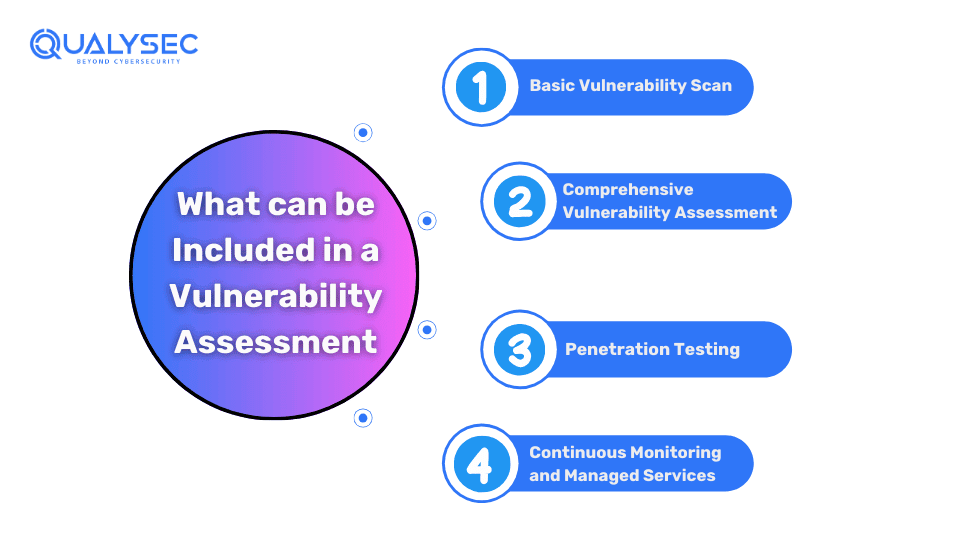
Cybersecurity assessment companies offer a variety of services tailored to the specific needs of businesses across various industries. Common types of assessments include vulnerability assessments, penetration testing, compliance audits, and security risk assessments. Each service addresses different aspects of a company’s cybersecurity needs, from identifying weaknesses in their systems to ensuring compliance with industry regulations. These assessments help businesses gauge their current security posture, prioritize correction measures, and develop robust security strategies to safeguard their assets and data.

By understanding the role of these companies and leveraging their expertise, businesses can not only enhance their security measures but also build trust with their customers by ensuring data privacy and protection. As we delve into the next topic, we’ll explore which companies are setting the standard for excellence in cybersecurity assessments in 2025.

Top Cybersecurity Assessment Companies in 2025

Criteria for Selection: What Sets Leaders Apart

In the rapidly evolving cybersecurity landscape of 2025, selecting the right assessment company is crucial for maintaining robust cyber defenses. Key criteria that set the leaders apart include advanced technological integration, extensive industry experience, and proven expertise in handling diverse security challenges. Companies that excel are those which combine state-of-the-art tools with human expertise to provide comprehensive assessments tailored to specific business needs.

This image provides a glimpse into how established companies like Transputec have positioned themselves as leaders by showcasing organizational strength and client trust. A broad understanding of data privacy best practices is another crucial factor, with “60% of consumers thinking businesses fall short in data security”—a statistic representing the growing demand for knowledgeable cybersecurity firms (“KEY CHALLENGES FOR CUSTOMER SERVICE (2025) — D-LAB research”).

Spotlight on Industry Leaders: Our Top Picks

As we look ahead to the cybersecurity landscape of 2025, certain companies have distinguished themselves as industry leaders. These organizations have demonstrated exceptional capability in identifying vulnerabilities and crafting strategic responses to safeguard sensitive data. Among our top picks are those firms that have harnessed cutting-edge technologies to stay ahead of emerging threats. They not only meet industry standards but also pioneer innovative solutions tailored to evolving cybersecurity demands.

Our spotlight covers firms that have successfully navigated and addressed pressing issues such as the 83% of CX leaders prioritizing data protection (“KEY CHALLENGES FOR CUSTOMER SERVICE (2025) — D-LAB research”). These companies are not just service providers but partners in building resilient cybersecurity frameworks.

As you explore how these top companies operate and deliver on their promises, consider how AI is increasingly being leveraged to enhance their service offerings. This capability is critical as we delve further into how AI, with its growing impact, is revolutionizing cybersecurity assessment methodologies and solutions.

Leveraging AI for Enhanced Cybersecurity Solutions

AI-Powered Tools Increasing Efficiency

In the rapidly evolving landscape of cybersecurity, AI-powered tools are revolutionizing the way companies protect themselves against cyber threats. These tools enhance efficiency by analyzing vast amounts of data to detect anomalies and predict potential security breaches before they occur. One of the primary advantages of AI in cybersecurity is its ability to automate routine tasks, which allows human experts to focus on more complex issues. Moreover, AI can adapt to new threats faster than traditional systems, providing a more resilient defense against evolving cyber threats. However, it’s important to note that “83% of CX leaders say DAA protection and cybersecurity are top priorities in their customer service strategies” (“KEY CHALLENGES FOR CUSTOMER SERVICE (2025) — D-LAB research”).

Case Study: AI Applications in Cybersecurity

A compelling example of AI in action is its application in AI-driven threat detection systems. These systems use machine learning algorithms to identify patterns associated with known attacks and flag unusual activities that could signify a new threat. For instance, AI algorithms can analyze logs, network packets, and other data to identify potential security incidents that require further investigation. The efficiency of these systems is underscored by their ability to operate 24/7, providing round-the-clock surveillance and immediate threat response. This is a significant improvement over traditional methods that rely heavily on human intervention, which can delay response times and increase vulnerability.

Through these innovative applications, AI not only helps in early threat detection but also plays a vital role in minimizing the impact of cyberattacks. As AI technologies continue to advance, they offer an ever-expanding toolkit for cybersecurity experts to maintain and enhance the security posture of their organizations.

As we delve further into the complexities and future prospects of cybersecurity, it’s crucial to explore the emerging challenges that come with these advancements.

Thank you for reading Diligize’s blog!
Are you looking for strategic advise?
Subscribe to our newsletter!

Challenges and Innovations in Cybersecurity for 2025

Emerging Threats and Solutions

As we venture into 2025, businesses face an increasingly complex cybersecurity landscape teeming with new threats. One significant challenge is the surge in sophisticated cyber-attacks leveraging artificial intelligence (AI) to bypass traditional security measures. Organizations must proactively address these emerging threats by staying informed about the latest attack vectors and employing adaptive security technologies. Furthermore, as digital transformation accelerates, businesses are likely to become more reliant on interconnected systems, which could inadvertently expand their attack surfaces. Consequently, implementing a robust and dynamic defense strategy becomes imperative.

Moreover, the human factor remains a critical vulnerability. “83% of CX leaders say DAA protection and cybersecurity are top priorities in their customer service strategies,” which underscores the importance of comprehensive training programs for employees to recognize and mitigate potential security threats. Additionally, consumer perceptions add another layer of complexity, as 60% believe businesses are falling short in data security, necessitating greater transparency and improved security practices.

Future Innovations and Their Potential Impact

Alongside these challenges, cybersecurity innovations are set to transform how businesses protect their digital assets. Integrating AI with cybersecurity solutions is one cutting-edge development expected to gain substantial traction. AI can enhance threat detection and response capabilities, analyzing vast quantities of data in real-time to identify anomalies and potential breaches faster than any human could.

Incorporating blockchain technology for establishing secure and immutable records presents another innovative approach. This can significantly bolster supply chain security and the integrity of sensitive transactions. Quantum computing, while still emerging, opens up potential breakthroughs in encryption and key security but also poses a new set of challenges as it could render current encryption methods obsolete.

Ultimately, businesses that stay ahead by adopting these innovations will not only enhance their cybersecurity posture but also gain a competitive advantage in an increasingly digital marketplace.

As we transition to thinking about selecting the best partner for your cybersecurity strategy, let’s explore the essential considerations and how the right collaboration can empower your business to excel.

Choosing the Right Partner for Your Cybersecurity Strategy

Key Considerations for Selection

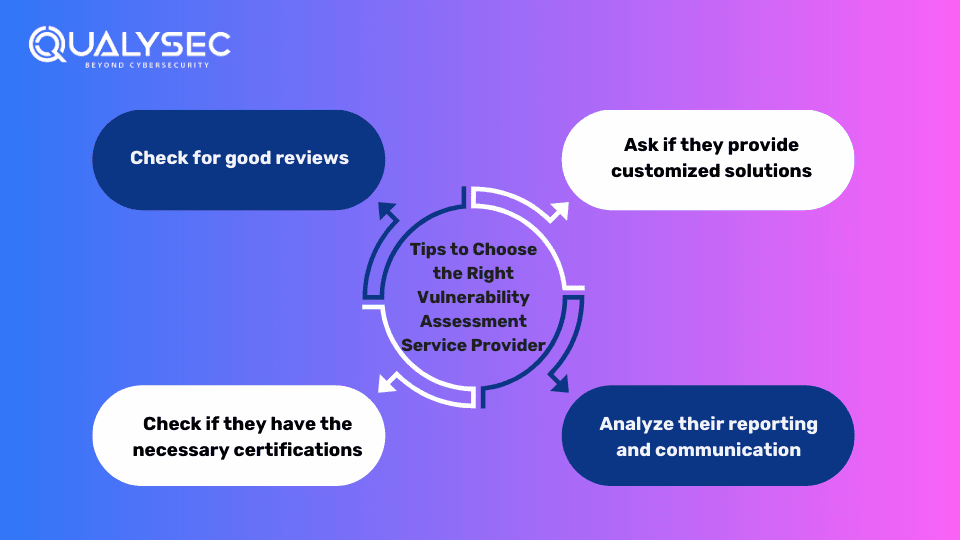
In the complex world of cybersecurity, selecting the appropriate partner is crucial for shielding your business against cyber threats. Key factors to ponder include the potential partner’s experience and expertise in your specific industry, their track record of security solution implementations, and how well they understand emerging technologies and current threats. Furthermore, it’s important to evaluate their approach toward compliance and how it aligns with your regulatory requirements.

Another key aspect is the proficiency of the cybersecurity partner in handling data privacy, essential for maintaining trust and business continuity. According to an April 2025 report, “60% of consumers think businesses are falling short in data security” and it’s vital to choose partners who prioritize “data privacy best practices” (“KEY CHALLENGES FOR CUSTOMER SERVICE (2025) — D-LAB research”).

How the Right Partner Enhances Business Outcomes

Choosing the right cybersecurity partner can significantly enhance business performance and resilience. A well-aligned partner provides more than just security solutions; they offer insights and strategic advice that drive organizational growth. By implementing effective cybersecurity strategies, they help in mitigating risks, thus safeguarding operational integrity and reputation.

Moreover, a proficient partner can leverage their knowledge to create scalable solutions tailored to your needs, ensuring that your business remains protected as it grows. This tailored approach not only fortifies security strategies but also enables companies to focus on innovation and customer engagement, resulting in superior business outcomes.

Mastering Cyber Security Readiness Assessment for Healthcare

In the world of healthcare, ensuring the safety of patient data has become as crucial as patient care itself. With sensitive information continuously at risk from cyber threats, mastering cyber security readiness isn’t just an option—it’s a necessity. In fact, the healthcare industry is among the top sectors targeted by cyberattacks, with a report by HealthITSecurity revealing that over 93% of healthcare organizations have experienced a data breach between 2016 and 2019. This statistic alone underscores the critical need for healthcare providers to not only recognize cyber threats but also to equip themselves with the necessary tools to combat them.

Poor cyber security readiness can lead to devastating consequences, ranging from financial loss to compromised patient safety. That’s why a thorough readiness assessment becomes vital. It is an essential step towards understanding an organization’s vulnerabilities, strengthening defenses, and ensuring that patient data remains confidential and secure. In this blog post, we’ll walk you through the essential steps for mastering cyber security readiness assessments tailored for the healthcare sector, helping you navigate its unique challenges with confidence.

Understanding Cyber Security Readiness in Healthcare

Importance of Cyber Security in Healthcare

In the healthcare industry, the importance of cyber security cannot be overstated. With the digitization of patient records and the increasing use of technology in medical processes, healthcare providers have access to an unprecedented amount of sensitive information. This makes them lucrative targets for cybercriminals aiming to exploit vulnerabilities for identity theft, fraud, and other malicious activities. Cyber security readiness is, therefore, crucial to protect patient data, maintain compliance with regulations like HIPAA, and ensure the uninterrupted operation of healthcare services.

Unique Challenges Faced by the Healthcare Sector

The healthcare sector faces distinct challenges in cyber security readiness due to the complex and often outdated IT infrastructures in place. “Rapid digitalization improves outcomes but heightens exposure to ransomware, data breaches, and regulatory risk – making healthcare a top target for cyberattacks” (“Healthcare Industry Challenges & AI-Powered Solutions — D-LAB research”). Moreover, with clinicians spending a significant portion of their time on Electronic Health Records (EHR) systems, the potential for cyber threats increases. Ensuring robust cybersecurity measures also involves addressing the risks associated with high turnover rates among healthcare workers who may not receive adequate training on the latest security protocols.

These challenges necessitate comprehensive readiness assessments and the development of strategies tailored to the specific needs and vulnerabilities of healthcare organizations. The next step involves understanding how to systematically evaluate the security posture through well-defined assessment processes.

Steps to Conduct a Cyber Security Readiness Assessment

Setting Clear Objectives and Scope

Establishing clear objectives and scope is the foundation of a successful cyber security readiness assessment. Clearly define what you hope to achieve—whether it’s identifying vulnerabilities, evaluating current security protocols, or preparing for compliance requirements. Define the boundaries of your assessment to ensure that no critical component is overlooked. This initial step sets the direction for the entire process, ensuring all subsequent actions are aligned with your overarching goals.

Appointing the Right Assessment Team

Success in assessing cyber security readiness hinges on assembling an adept team with the requisite expertise. The team should comprise individuals with diverse skills and knowledge covering cybersecurity, risk management, healthcare-specific needs, and IT infrastructure. This specialized team will be responsible for conducting a thorough assessment that addresses the unique challenges faced by the healthcare sector. As such, the team must stay up-to-date with current cyber threats and methodologies to effectively guide the organization through the assessment.

Identifying Critical Assets and Threats

A comprehensive inventory of all critical assets and potential threats is vital to uncover vulnerabilities and protect sensitive information. In the healthcare industry, assets not only include IT systems and medical devices but also patient data, which is a prime target for cyber attackers. Recognizing that “rapid digitalization improves outcomes but heightens exposure to ransomware, data breaches, and regulatory risk,” it’s essential to maintain a robust approach to identifying vulnerabilities. Once you have pinpointed these assets and threats, developing targeted strategies to protect them becomes significantly more manageable.

Evaluating Existing Security Measures

Conduct a meticulous review of existing security measures to discern their effectiveness against identified risks. This involves assessing the robustness of the current infrastructure, policies, and procedures in place to defend against cyber threats. It’s vital to determine how well these measures have been executed and where there may be gaps or weaknesses. By doing so, organizations can prioritize investments in areas that require enhancements.

Testing and Documenting Incident Response Plans

Testing and documenting incident response plans is imperative to ensure that an organization can quickly and effectively respond to cyber incidents. Simulate possible attack scenarios to evaluate if current plans adequately handle such situations. Document the results and any corrective actions needed to minimize damage and expedite recovery in case of real attacks. This continuous iteration makes sure that response plans remain effective amidst evolving threats.

After establishing these foundational steps, the next step is to explore how leveraging artificial intelligence can further enhance the cyber security readiness in healthcare, providing innovative solutions to stay ahead in a rapidly changing cyber threat landscape.

Leveraging AI for Enhanced Cyber Security Readiness

AI-Powered Solutions for Cyber Threats

The healthcare industry increasingly depends on AI-powered solutions to combat a diverse range of cyber threats. By harnessing machine learning and artificial intelligence, healthcare providers can swiftly identify and mitigate threats before they escalate into full-scale cyber-attacks. AI algorithms are adept at analyzing vast amounts of data to recognize patterns that may indicate potential vulnerabilities or suspicious activities on networks. This proactive approach allows organizations to predict and counter threats with significantly greater precision compared to traditional methods.

AI can effectively automate responses to potential threats, minimizing the window of opportunity for cybercriminals. As the complexity and volume of cyber threats in healthcare grow, “rapid digitalization improves outcomes but heightens exposure to ransomware, data breaches, and regulatory risk – making healthcare a top target for cyberattacks (Frost & Sullivan)” (“Healthcare Industry Challenges & AI-Powered Solutions — D-LAB research”). Implementing AI-driven cybersecurity solutions is a crucial step in fortifying healthcare infrastructures against these persistent and evolving challenges.

Improving Patient Data Protection with AI

Ensuring the protection of vast amounts of sensitive patient data is of paramount importance in the healthcare sector. AI tools offer revolutionary methods to enhance patient data security. These systems are capable of continuously monitoring data access points and flagging anomalous behavior that might signal unauthorized access or data breaches, ensuring enhanced data security.

Furthermore, AI’s ability to handle repetitive and complex tasks efficiently means it can assist in the management of administrative duties, thereby minimizing human errors that could lead to data vulnerabilities. “AI automates and optimizes administrative tasks such as scheduling, billing and insurance verification” (“Healthcare Industry Challenges & AI-Powered Solutions — D-LAB research”), which reduces manual mistakes and potential security breaches.

As healthcare providers continue to modernize and integrate more digital solutions, the implementation of AI to safeguard patient data becomes not only beneficial but necessary. Through AI-driven automation and monitoring, healthcare providers can maintain robust security postures while focusing on delivering quality patient care.

As we explore continuous improvement strategies in cyber security readiness, it’s essential to ensure that healthcare organizations remain vigilant and innovative in their defense mechanisms, particularly through the integration of AI and other advanced technologies.

Thank you for reading Diligize’s blog!
Are you looking for strategic advise?
Subscribe to our newsletter!

How to Ensure Continuous Improvement in Cyber Security Readiness

Adopting Proactive Risk Management Techniques

Continuous improvement in cyber security requires a proactive approach to risk management. This involves regularly updating risk assessment processes to account for new threats as the healthcare landscape evolves. By establishing a dynamic threat intelligence system, healthcare organizations can actively monitor potential vulnerabilities and respond swiftly to changes in the threat environment. Implementing AI-based analytics tools can enhance the detection of anomalies, allowing for a more precise understanding of potential cyber risks.

Regular Employee Training and Awareness Programs

The human factor often plays a critical role in cyber security breaches. Ensuring ongoing employee training and awareness programs is vital for strengthening an organization’s cyber defense. These programs should focus on keeping staff informed about the latest security protocols, recognizing phishing attempts, and properly handling sensitive patient data. “With 50% of healthcare professionals experiencing burnout, which impacts productivity and increases the risk of human error,” it’s crucial to tailor training sessions that are engaging and mindful of the pressures faced by healthcare workers (“Healthcare Industry Challenges & AI-Powered Solutions — D-LAB research”).

By fostering a culture of continuous learning and adaptability, healthcare organizations can maintain a robust cyber security posture. The next step is leveraging cutting-edge technologies to innovate and enhance the cyber readiness of healthcare systems further.

Conclusion: Building a Resilient Healthcare Cyber Security Framework

In the ever-evolving landscape of healthcare, establishing a robust cybersecurity framework is not just a necessity; it is a critical component in safeguarding sensitive medical data and maintaining trust with patients. A resilient cybersecurity framework begins with a comprehensive readiness assessment, a crucial step that helps identify vulnerabilities and strengthens defenses. This foundation ensures that healthcare providers can effectively protect against escalating cyber threats while preserving the integrity of patient care.

The unique vulnerabilities of the healthcare sector, such as those highlighted by rapid digitalization and integration challenges, make it a prime target for cyberattacks. As pointed out in the D-LAB research, “rapid digitalization improves outcomes but heightens exposure to ransomware, data breaches, and regulatory risk – making healthcare a top target for cyberattacks” (“Healthcare Industry Challenges & AI-Powered Solutions — D-LAB research”). Consequently, healthcare organizations must not only adopt preventive measures but also aim to build a culture of continuous vigilance and improvement.

Integrating artificial intelligence (AI) and machine learning into security protocols can significantly augment the ability to detect and respond to anomalies swiftly. Such technologies offer predictive insights, allowing healthcare systems to stay one step ahead of potential threats, thereby reinforcing their security infrastructure. Artificial intelligence for sustainable value creation

Building a resilient cybersecurity framework in healthcare is an ongoing process that involves coordinated efforts and a coherent strategy integrating technology, people, and processes. By investing in innovative solutions and fostering an organizational culture focused on security readiness, the healthcare industry can better ensure the safety and confidentiality of patient information, ultimately leading to better patient outcomes.

As we continue to navigate the complexities of cybersecurity in the healthcare sector, ensuring compliance with regulatory standards and promoting education and awareness among all stakeholders is vital. The next logical step involves examining how AI can perpetually enhance our security measures and drive efficiencies in healthcare operations.

Understanding Cyber Security Compromise Assessment for Enhanced Business Safety

In today’s hyper-connected world, safeguarding sensitive information and digital assets is a top priority for businesses of all sizes. As cyber threats continue to evolve, so must the strategies we employ to protect against them. Enter the Cyber Security Compromise Assessment—an essential tool in identifying, understanding, and mitigating threats that could silently undermine your organization’s security posture. According to a recent report by IBM Security, the average data breach cost in 2021 was approximately $4.24 million, highlighting the potentially devastating financial impact of not addressing cyber threats promptly. A comprehensive compromise assessment acts as a proactive shield, enabling you to detect intrusions early, minimize the damage, and ultimately enhance your business’s overall safety. Dive into this article to explore how a compromise assessment can become a crucial element of your security arsenal, safeguarding your company against lurking cyber adversaries.

What Is a Cyber Security Compromise Assessment?

Defining Compromise Assessments

A cyber security compromise assessment is a comprehensive evaluation designed to identify vulnerabilities and signs of malicious activity within an organization’s IT environment. This assessment seeks to determine whether a security breach has occurred, evaluate the extent of any potential damage, and understand the methods used by attackers. Unlike traditional security audits, which may focus on compliance, compromise assessments involve an active search for unauthorized activities and security weaknesses that could put the organization at risk.

Core Objectives and Importance

The core objectives of a compromise assessment include detecting hidden threats, determining how intruders gained access, and providing strategies to prevent future breaches. These assessments are crucial as they “defend against value-eroding breaches, derisking investments; compliance readiness boosts buyer trust” (“Portfolio Company Exit Preparation Technologies to Enhance Valuation — D-LAB research”). By identifying and mitigating threats early, organizations can protect their data, safeguard their intellectual property, and maintain customer trust. A proactive approach to cyber threats not only enhances business safety but also fortifies a company’s reputation and market standing.

Understanding the benefits of conducting a compromise assessment provides insights into why they are essential for maintaining a robust cyber security framework. For insights on how this aligns with cybersecurity diligence, check out our post on cybersecurity diligence.

Benefits of Conducting a Compromise Assessment

Early Threat Detection and Mitigation

Conducting a compromise assessment offers the invaluable benefit of early threat detection, allowing businesses to identify vulnerabilities and malicious activities at an early stage. By doing so, organizations can take immediate action to mitigate potential threats before they escalate into full-blown security incidents. This proactive approach not only reduces the risk of significant data breaches but also minimizes the potential damage to the business’s reputation and financial standing. As highlighted, implementing robust data protection frameworks such as “ISO 27002, SOC 2, and NIST” not only safeguards against breaches but also enhances buyer trust, which is crucial in maintaining regulatory compliance and client satisfaction. (“Portfolio Company Exit Preparation Technologies to Enhance Valuation — D-LAB research”)

Strengthening Security Posture

A thorough compromise assessment is instrumental in strengthening an organization’s overall security posture. By evaluating the current security infrastructure, the assessment provides insights into existing weaknesses and areas for improvement. This understanding allows companies to reinforce their defenses effectively, ensuring they are better prepared to thwart future cyber-attacks. Strengthened security measures enhance the enterprise’s resilience against cyber threats, thereby safeguarding intellectual property and customer data—elements essential for protecting these assets, which is key to safeguarding the value of an investment (“Portfolio Company Exit Preparation Technologies to Enhance Valuation — D-LAB research”).

The proactive identification of security gaps not only uplifts the company’s defense mechanisms but also instills confidence among clients and stakeholders, reinforcing the trust and loyalty crucial for sustaining business growth. Enhancing your security measures through periodic compromise assessments is a strategic investment in maintaining your organization’s long-term stability and market competitiveness.

Understanding the full scope of a compromise assessment process is crucial for any business looking to safeguard its digital assets effectively. Let’s delve into the specific steps involved in conducting a comprehensive compromise assessment, from preparation to reporting and recommendations.

Steps Involved in a Compromise Assessment

Preparation and Scope Definition

The initial phase of a compromise assessment is crucial, as it sets the stage for the entire process. It involves identifying and defining the scope of the assessment, which includes recognizing the assets, networks, and systems that need to be evaluated. Establishing clear objectives upfront ensures that the assessment aligns with the organization’s specific security needs and regulatory requirements. This phase also includes gathering the necessary resources and assembling a team of experts who are well-versed in cyber threat detection and mitigation techniques.

Data Collection and Analysis

Once the scope is clearly defined, the next step is data collection and analysis. This involves gathering relevant data from various network points, systems logs, security tools, and any indicators of compromise. During this phase, the assessment team looks for signs of any ongoing or past breach and evaluates the security protocols in place. This meticulous examination helps in pinpointing vulnerabilities and foresees potential threats. The use of advanced analytical tools and technologies plays a vital role in enhancing the accuracy and efficiency of this stage, transforming raw data into actionable insights.

Reporting and Recommendations

The final step in a compromise assessment entails compiling the findings into a comprehensive report. This report not only highlights detected threats and vulnerabilities but also provides actionable recommendations for mitigating these risks. The primary aim of this report is to offer strategic insights that can help in strengthening the organization’s security posture. It outlines remedial actions, suggests improvements in existing security measures, and emphasizes best practices to prevent future compromises. Documenting these details is essential for strategic planning and ensuring ongoing protection against cyber threats.

With the understanding of these steps, we can now explore how compromise assessments differ from other common cybersecurity tests, ensuring businesses engage the right approach for their specific needs.

Thank you for reading Diligize’s blog!
Are you looking for strategic advise?
Subscribe to our newsletter!

Compromise Assessment vs. Other Cyber Security Tests

Differences with Threat Hunting

Compromise assessments and threat hunting both play crucial roles in an organization’s cybersecurity strategy. However, they differ significantly in their objectives and methodologies. A compromise assessment aims to determine if a network or system has already been compromised by evaluating existing threats and assessing the potential breach. It involves a comprehensive analysis of logs, network traffic, and system behavior to uncover suspicious activities that may have gone unnoticed.

On the other hand, threat hunting is a proactive approach focused on detecting and mitigating threats that might not have been captured by traditional security measures. It involves the continuous and iterative search for indicators of compromise (IoCs) across the digital environment. While a compromise assessment is often conducted periodically to assess past breaches, threat hunting is an ongoing activity ensuring that threats are detected and neutralized promptly.

Contrasting with Vulnerability Assessments

Vulnerability assessments and compromise assessments are complementary despite their different focuses. Vulnerability assessments are designed to identify, quantify, and prioritize vulnerabilities in a system before they are exploited. They involve scanning and testing systems for weaknesses that could potentially be used by attackers to compromise a network.

In contrast, a compromise assessment focuses on identifying signs of a past or ongoing security breach. Instead of evaluating potential vulnerabilities, it determines if and how a compromise has occurred. As noted in “Portfolio Company Exit Preparation Technologies to Enhance Valuation – D-LAB research,” compromise assessments can provide “better information” leading to “better decisions” and ultimately, “better outcomes” for businesses. By doing so, they play a vital role in illustrating the effectiveness of existing security measures and informing the strategic direction for improvement, particularly in protecting intellectual property and maintaining data integrity.

These assessments collectively contribute towards a robust cybersecurity strategy, ensuring that vulnerabilities are addressed and any active threats are swiftly identified. This integrated approach not only boosts a company’s security posture, but according to “Portfolio Company Exit Preparation Technologies to Enhance Valuation,” it also enhances investment suitability and overall enterprise value.

Understanding these differences allows businesses to implement targeted cybersecurity measures, optimizing their resources for both immediate threat mitigation and long-term resilience.

As we delve further, exploring how leveraging AI can maximize the efficiency of compromise assessments and provide additional value, particularly in the context of enhancing business safety and valuation, opens new avenues for strategic cybersecurity deployment. Let us proceed to understand these exciting prospects.

Leveraging AI for Compromise Assessment in Portfolio Companies

AI’s Role in Enhancing Valuation Through Cyber Security

Artificial Intelligence (AI) is revolutionizing the landscape of cyber security by enhancing the efficiency and effectiveness of compromise assessments in companies across various sectors. Portfolio companies, in particular, benefit significantly from integrating AI in their security measures, as it not only strengthens their valuation but also assures investors with enhanced protection of intellectual property (IP) and data. AI systems are increasingly used in implementing frameworks like ISO 27002 and NIST, providing robust defenses that protect against value-eroding breaches and enhance compliance readiness, which in turn boosts investor trust.

“Protecting these assets is key to safeguarding the value of an investment,” according to D-LAB research (“Portfolio Company Exit Preparation Technologies to Enhance Valuation — D-LAB research”). Strong security measures are not only defensive mechanisms but are integral to maintaining and even increasing company valuations.

Case Studies and Success Stories

Practical applications of AI in cyber security are visibly improving business outcomes, illustrated by several success stories in portfolio companies. For instance, AI-driven predictive maintenance tools significantly increase operational efficiency by reducing downtime and extending machine life, thus improving profit margins and ensuring business continuity. High-profile cases reveal that companies utilizing such AI technologies have experienced revenue growth and enhanced operational capabilities that directly correlate with better market performance.

“AI sales agents and reporting tools lead to increased revenue,” citations from D-LAB (“Portfolio Company Exit Preparation Technologies to Enhance Valuation — D-LAB research”) further highlight how AI optimizes processes, leaving sufficient room for scaling and innovation without compromising security.

Incorporating AI in compromise assessments not only minimizes the risk of cyber threats but also enhances the company’s strategic value by showcasing technological prudence and forward-thinking operations. As we move on, let’s delve into the practical steps involved in conducting a cyber compromise assessment.

Understanding the Cost of Cyber Security Risk Assessment

In today’s digital age, understanding the cost of cyber security risk assessment is more essential than ever. Cyber threats are increasing in both number and sophistication, making it crucial for businesses to assess their vulnerabilities regularly. According to a report by IBM, the average cost of a data breach was $4.24 million in 2021, highlighting the potentially devastating financial impact of inadequate cyber defenses. By investing in a thorough risk assessment, businesses can identify potential weaknesses before they are exploited, saving both money and reputation in the long run. This article will delve into the factors influencing the cost of cyber security risk assessments, helping you make informed decisions for safeguarding your organization.

Introduction to Cyber Security Risk Assessment Costs

Why Understanding Costs is Crucial for Your Business

In today’s digital age, the importance of cyber security cannot be overstated. With cyber threats becoming more sophisticated, businesses face increased pressure to safeguard their data and systems. Understanding the costs associated with cyber security risk assessments is crucial for businesses aiming to allocate resources effectively and ensure robust protection. A clear grasp of these costs helps organizations prioritize their security efforts and make informed financial decisions, making it an indispensable part of strategic planning.

Defining Cyber Security Risk Assessment

A cyber security risk assessment is a systematic process designed to identify, evaluate, and manage potential cyber threats to an organization’s information assets. The assessment includes identifying vulnerabilities, estimating potential impact, and establishing necessary controls. “A comprehensive understanding of these assessments ensures better information, better decisions, and ultimately better outcomes for businesses when dealing with cybersecurity threats” (“KEY CHALLENGES FOR CUSTOMER SERVICE (2025) — D-LAB research”).

Beyond the initial need for protection, understanding the intricacies of cyber security risk assessment costs provides a roadmap for making informed decisions regarding investments in technological defenses. This foundational knowledge prepares the ground for a more detailed examination of the factors playing a key role in influencing these costs.

Key Factors Influencing Assessment Costs

Understanding the costs associated with a cyber security risk assessment is complex, as various factors influence the final pricing. It is crucial to consider these factors to budget effectively and ensure a comprehensive assessment.

Scope and Depth of Assessment

The breadth and depth of the assessment are significant determinants of cost. A more extensive evaluation covering a wide range of cyber threats, vulnerabilities, and compliance measures will naturally incur higher costs. This is because such assessments involve more resources, time, and expertise to thoroughly evaluate the security posture of an organization.

Size and Type of Organization

The size and type of an organization significantly impact the cost of a cyber security risk assessment. Larger organizations with complex networks, multiple locations, or extensive data operations will require more detailed assessments, leading to higher costs. The nature of the business also plays a role; industries handling sensitive information, such as healthcare or finance, may face higher costs due to the need for rigorous security protocols to safeguard critical data.

Industry-Specific Requirements

Different industries have specific compliance standards and regulatory requirements, which can affect assessment costs. For instance, the financial and healthcare sectors have strict regulatory frameworks, such as the Payment Card Industry Data Security Standard (PCI DSS) and Health Insurance Portability and Accountability Act (HIPAA). These requirements demand thorough compliance checks, adding to the cost. Moreover, as noted by experts, “83% of CX leaders say DAA protection and cybersecurity are top priorities in their customer service strategies” (“KEY CHALLENGES FOR CUSTOMER SERVICE (2025) — D-LAB research”). This indicates that meeting these industry-specific demands is both a strategic necessity and a cost driver.

With these factors in mind, it is essential to understand the individual components that contribute to the overall cost and how each one plays a part in assessing cyber security risk. The next section will explore these cost components in greater detail.

Thank you for reading Diligize’s blog!
Are you looking for strategic advise?
Subscribe to our newsletter!

Breaking Down Cost Components

Understanding the various components that contribute to the cost of a cyber security risk assessment is essential for budgeting effectively and ensuring comprehensive coverage. Here, we explore key elements that typically comprise these costs, providing insights into what organizations can expect to encounter during the assessment process.

Consultation and Initial Analysis

The initial phase involves consultation and analysis to understand the specific needs and vulnerabilities of the organization. This process often includes a thorough discussion with stakeholders to outline objectives and set expectations. During this stage, professionals will identify critical areas of concern, tailored to the organization’s unique environment. The consultation sets the foundation for the assessment, guiding the subsequent phases.

Assessing Cyber Security Infrastructure

A central component of the cost is the detailed evaluation of the existing cyber security infrastructure. This involves reviewing current security measures, identifying vulnerabilities, and assessing the effectiveness of current protocols. The depth of this analysis can vary, depending on the complexity and size of the organization’s IT assets and networks. Costs are influenced by the scope of the infrastructure under review, with more complex systems requiring more extensive analysis.

Final Reporting and Recommendations

After the assessment, a comprehensive report is generated, detailing findings and providing actionable recommendations. This report is a critical output, as it not only highlights vulnerabilities but also offers strategic advice on addressing them. The cost associated with this phase reflects the expertise required to interpret data correctly and the value of customized recommendations tailored to secure the enterprise effectively.

Understanding these components helps organizations not just with budgeting, but also in recognizing the value delivered by a thorough cyber security risk assessment. As we dissect the value versus cost of these assessments, it’s crucial to consider both immediate and long-term benefits associated with investing in robust cyber security measures.

Value Versus Cost: Is It Worth Investing?

Long-Term Benefits of Cyber Security Assessment

Investing in a cyber security risk assessment can initially seem costly. However, the long-term benefits often outweigh the initial expenditure. A well-executed assessment can protect an organization’s critical data and infrastructure from potential breaches. This not only prevents financial losses associated with data theft but also safeguards an organization’s reputation. In today’s digital landscape, a data breach can incur costs that far exceed the expense of regular security assessments.

Moreover, many businesses find that a proactive approach to cyber security creates value by instilling confidence among clients and stakeholders. When businesses demonstrate that they are conscious of cyber threats and actively work to mitigate them, they often see an improvement in customer trust and brand loyalty. This is supported by the observation that “83% of CX leaders say DAA protection and cybersecurity are top priorities in their customer service strategies,” indicating that a commitment to cyber security is a recognized standard among industry leaders (“KEY CHALLENGES FOR CUSTOMER SERVICE (2025) — D-LAB research”).

Case Examples: Success Stories Through Better Security

There are numerous case studies that highlight the successful implementation of cyber security measures, resulting in clear financial and strategic advantages. For instance, companies that integrate regular risk assessments into their operations often report a quicker recovery and reduced downtime in the event of a cyber incident. By identifying vulnerabilities early, they can avert disruptions that might otherwise obliterate operational momentum.

Furthermore, organizations that prioritize cyber security can gain a competitive advantage. Insights from these risk assessments often lead to innovations in their security infrastructure, positioning them as leaders in their field. This not only enhances their market position but also attracts potential business partners who value robust cyber security practices.

As we delve into how to maximize the value of your investment, we’ll explore strategies for selecting the right vendor and innovative solutions for ensuring cost efficiency in cyber security assessments.

Maximizing the Value of Your Investment

Selecting the Right Vendor

Selecting the appropriate vendor for your cyber security risk assessment is crucial in ensuring you receive the best value for your investment. It is important to assess potential vendors based on their experience, expertise, and ability to tailor solutions that meet your specific needs. Building a relationship with a vendor who understands “the transformative potential of Generative AI” can offer you a sustainable competitive advantage and innovative solutions (“KEY CHALLENGES FOR CUSTOMER SERVICE (2025) — D-LAB research”). Take into consideration vendors who prioritize reliability and have a proven track record of successful implementations.

Innovative Solutions for Cost Efficiency

Embracing innovative solutions can significantly enhance cost efficiency for your organization. As cyber threats become more sophisticated, so do the tools and methodologies to counteract them. Leveraging AI and analytics not only helps in identifying and mitigating risks promptly but also drives better decision-making processes. Investing in these technologies ensures improved resilience and long-term savings, translating into more considerable ROI. To maximize value, consider solutions that focus on predictive analytics and streamlined workflows, as they offer valuable insights that can lead to enhanced security measures.

With these strategies in place, it’s essential to understand how they integrate into the overall structure and cost components of cyber security assessments, ensuring you maintain a balance between value and expenses.

[CTA-HOOK]

RegTech and Compliance: Revolutionizing the Compliance Landscape

In the increasingly complex world of regulatory compliance, staying ahead of the curve can feel like navigating a maze. With regulations evolving rapidly, organizations face mounting pressure to ensure they are consistently meeting these standards. Enter RegTech, short for Regulatory Technology, a game-changer in the compliance landscape. Emerging as a beacon of hope, RegTech leverages cutting-edge technology to streamline compliance processes, making them more efficient, transparent, and less resource-intensive.

In 2021, the global RegTech market was valued at approximately USD 6.3 billion and is expected to grow at a compound annual growth rate (CAGR) of 20.8% from 2022 to 2030, as per a report by Grand View Research. This phenomenal growth hints at RegTech’s rising influence as companies across sectors strive to keep pace with evolving regulations while minimizing risks and costs.

This blog dives into the transformative power of RegTech in compliance, exploring how AI-powered solutions and emerging trends are set to redefine the industry. From enhancing operational efficiency to fostering stronger trust in financial services, discover how RegTech offers a promising future for compliance professionals and organizations worldwide.

Understanding RegTech and Its Role in Compliance

Defining RegTech

RegTech, short for Regulatory Technology, refers to the integration of modern technology solutions to manage regulatory processes within the financial sector. Its primary objective is to enhance the efficiency and accuracy of compliance management by leveraging data analytics, artificial intelligence (AI), cloud computing, and other advanced technologies. Through these innovations, RegTech aims to simplify and streamline processes such as regulatory reporting, risk management, transaction monitoring, identity verification, and fraud detection.

The Evolution of RegTech in the Compliance Sphere

The evolution of RegTech has been driven by the need to keep pace with an increasingly complex regulatory landscape. Over the past decade, financial institutions have faced mounting regulatory pressures, with rules and guidelines proliferating globally. RegTech has emerged as the solution to these challenges, providing tools that reduce the resource burden of compliance teams while significantly improving the accuracy and speed of compliance-related tasks.

This transformation is evident in the adoption of AI-powered compliance solutions that automate tasks such as regulatory monitoring, data collection, and risk analysis. According to insights from the “Insurance Industry Challenges & AI-Powered Solutions — D-LAB research,” AI-driven RegTech solutions have achieved remarkable outcomes, including a “15-30x faster regulatory updates processing across dozens of jurisdictions” and an “89% reduction in documentation errors.” These results highlight the transformative potential of RegTech in maintaining compliance while improving operational efficiency.

As the compliance landscape continues to evolve, the role of RegTech becomes increasingly critical, offering organizations the agility and foresight needed to navigate regulatory changes effectively. With the integration of AI and other digital solutions, RegTech is setting new standards in compliance management.

The discussion now turns to how AI-powered solutions are making their mark in the RegTech space, reshaping compliance processes and driving innovation.

AI-Powered Solutions in RegTech

AI’s Impact on Compliance Tracking and Reporting

The integration of AI in RegTech is fundamentally transforming how organizations approach compliance tracking and reporting. With the sheer volume of data and regulatory requirements businesses face today, traditional methods are often inefficient. AI technologies offer a way to navigate this complexity by streamlining processes and enhancing accuracy. “AI automates regulatory monitoring, document creation, data collection and organization for regulatory filings, filing automation, compliance checks, risk analysis, and audit reporting and support,” leading to significant operational improvements according to research by D-LAB (“Insurance Industry Challenges & AI-Powered Solutions — D-LAB research”). This kind of automation can result in remarkably faster regulatory updates processing and drastically reduce documentation errors.

Case Studies: AI-Driven Transformation

Several case studies illustrate the powerful impact of AI in driving transformation within the compliance space. Companies are seeing substantial gains in efficiency and precision due to AI’s capabilities in processing and analyzing large data sets. For example, AI-driven solutions by companies such as Compliance.ai have not only streamlined workloads by reducing the time required for regulatory filings, but they have also cut down the volume of documentation errors significantly. Furthermore, AI solutions have been instrumental in delivering intelligent insights, helping firms predict potential compliance issues before they become problematic.

The application of AI in RegTech is not just about internal efficiency but also enhances external trust and transparency, creating confidence among stakeholders and regulators. AI’s ability to provide clear, data-driven insights and actionable intelligence fosters an environment of compliance that is both proactive and responsive. This ensures that businesses can keep pace with ever-evolving regulatory landscapes.

As we delve into the specific challenges faced by the insurance industry, it becomes clear how pivotal AI solutions can be in overcoming regulatory hurdles and other operational pressures.

Insurance Industry Challenges: A Focus on RegTech

The insurance industry is facing a multitude of challenges that call for innovative solutions, particularly in the realm of regulatory compliance. Navigating complex compliance changes, addressing talent shortages, and managing inefficient claims policies and processes are some of the foremost issues insurers are grappling with today. As the landscape of insurance continues to evolve, RegTech offers promising avenues to address these challenges.

Insurers are required to comply with a “labyrinth of rules and guidelines” as each state and country sets forth their own regulatory frameworks (“Insurance Industry Challenges & AI-Powered Solutions — D-LAB research”). With this, the threat of severe penalties looms large for non-compliance, making it imperative for companies to adopt technology-driven solutions. RegTech facilitates automated regulatory monitoring, streamlining the processing of regulatory updates and significantly reducing documentation errors. This assists insurers in adhering to ever-changing regulatory requirements with greater efficiency and accuracy.

Addressing Talent Shortages with Technology

By 2036, the insurance industry faces the daunting prospect of losing a substantial portion of its workforce, as an estimated “50% of the current insurance workforce will retire” resulting in over 400,000 unfilled positions (“Insurance Industry Challenges & AI-Powered Solutions — D-LAB research”). This talent gap necessitates a pivot towards technology to maintain operations. RegTech solutions leverage AI to enhance productivity by automating underwriting and regulatory compliance tasks. This not only helps in offsetting the impact of talent shortages but also in optimizing processes to do more with fewer employees. AI-powered assistants can expedite claims processing, fraud detection, and compliance tracking, ultimately enabling insurers to enhance customer service while managing costs.

The advent of RegTech is markedly transforming the compliance domain in the insurance sector, turning hurdles into strategic opportunities. As we move forward, it is essential to anticipate emerging trends that will continue to reshape the RegTech landscape, fostering further innovations in compliance management.

As regulatory environments continue to evolve worldwide, RegTech solutions are increasingly favored for their ability to adapt to new compliance requirements swiftly. Companies are under pressure to efficiently integrate regulatory updates into their operational workflows. This push for dynamic compliance is complemented by technological advancements, with AI playing a significant role in automating and enhancing the regulatory monitoring process. The ability of AI to automate regulatory filings and compliance checks offers organizations a “15-30x faster regulatory updates processing across dozens of jurisdictions” and a substantial reduction in documentation errors, which improves overall operational efficiency (“Insurance Industry Challenges & AI-Powered Solutions — D-LAB research”).

The Integration of Blockchain and RegTech

Blockchain technology is set to revolutionize RegTech by providing transparent and immutable records crucial for compliance verifications. Its inherent features will streamline complex processes like identity verification, contracts auditing, and transactional history management. By ensuring data integrity and security, blockchain offers an auditable trail that can significantly reduce the risk of fraud and error, thus enhancing trust among stakeholders.

Future Outlook: Sustainable Finance and RegTech

The push towards sustainable finance has created a demand for RegTech solutions capable of handling environmental, social, and governance (ESG) criteria. As investors and regulatory bodies place more focus on sustainable practices, RegTech platforms are adapting to assess and report on ESG compliance through advanced data analytics and AI-driven insights. These efforts will not only ensure compliance with emerging legal frameworks but also support organizations in aligning their strategies towards sustainable practices.

As we delve deeper into the next segment, we’ll explore how these emerging trends of efficiency and transparency stand to benefit real-world applications, highlighting their transformative potential for operational protocols.

Real-World Benefits: Efficiency and Transparency

RegTech is transforming the compliance landscape by delivering significant real-world benefits, particularly in terms of efficiency and transparency. Financial services, burdened by complex regulatory requirements, are finding relief in the automation and data-driven insights provided by RegTech solutions. These technologies streamline compliance processes, drastically reducing the time and resources needed to ensure regulatory adherence.

Enhancing Operational Efficiency

One of the most substantial benefits of RegTech is its ability to enhance operational efficiency. Automated systems can handle routine compliance tasks, such as regulatory reporting and document processing, at a much faster pace and with fewer errors than manual processes. In fact, “AI automates regulatory monitoring, document creation, data collection and organization for regulatory filings, filing automation, compliance checks, risk analysis, and audit reporting and support,” leading to impressive improvements in processing speed and accuracy (“Insurance Industry Challenges & AI-Powered Solutions — D-LAB research”). The automation of these tasks allows financial institutions to reallocate human resources to more strategic activities, which ultimately supports a more agile and responsive business model.

Boosting Transparency and Trust in Financial Services

In addition to improving efficiency, RegTech also plays a crucial role in enhancing transparency within financial institutions. By leveraging technology to ensure compliance with stringent regulatory standards, companies can provide more detailed and timely information about their operations to regulators, investors, and customers. This transparency not only helps build trust but also positions these companies as reliable and forward-thinking players in the financial sector.

As regulatory environments continue to evolve, the ability to swiftly adapt to new rules while maintaining transparency and efficiency will be paramount. In pursuit of these objectives, many institutions are adopting innovative technologies and forging partnerships that support seamless RegTech integration and spur further advancements in the field.

Collaborative Approaches to RegTech Adoption

Partnerships Between Financial Institutions and RegTech Providers

In the rapidly evolving world of regulatory technology, fostering strong partnerships between financial institutions and RegTech providers is crucial for successful adoption. By collaborating closely, these entities can ensure the development and implementation of tailored solutions that effectively meet the diverse compliance needs of the financial industry. These partnerships facilitate the exchange of expertise, enabling financial institutions to leverage emerging technologies more efficiently. Additionally, by sharing the cost of innovation and development, these alliances help reduce the financial burden on both parties, making RegTech solutions more accessible.

Solutions for Seamless RegTech Integration

Seamless integration of RegTech solutions requires a concerted effort from both internal and external stakeholders of financial institutions. Internal teams must prepare for change management processes, ensuring employees are ready to adapt to new technologies. Externally, RegTech providers should focus on creating user-centric solutions that address core compliance challenges while being easy to implement alongside existing systems.

Efforts should also be made to address specific industry challenges, such as the talent shortages in the insurance sector. As “50% of the current insurance workforce will retire by 2036” and “insurers need to learn how to do more with fewer employees” (“Insurance Industry Challenges & AI-Powered Solutions—D-LAB research”). AI and automation can become invaluable in sustaining operations by enhancing productivity and minimizing manual workloads.

Transitioning into the conclusion, these collaborative approaches and streamlined integration processes represent just a fraction of the strategies shaping the future landscape of compliance. Embracing RegTech with open partnerships and efficient integration is essential for navigating the ever-complex regulatory environment. As we look forward, the confluence of innovation and cooperation will indubitably define the future of regulatory adherence.

Conclusion: The Future of Compliance with RegTech

The future of compliance is intricately tied to the continued evolution of RegTech solutions. As regulatory landscapes become more complex and demanding, organizations will increasingly rely on sophisticated technologies to remain compliant. RegTech offers a transformative approach, enabling businesses to manage compliance obligations more efficiently through automation and advanced analytical tools.

One of the standout benefits of RegTech is its potential to greatly reduce the workload associated with regulatory filings and compliance checks. For instance, AI-driven solutions can automate “regulatory monitoring, document creation, data collection, and organization for regulatory filings,” leading to a “50-70% reduction in workload for regulatory filings” and drastically reducing documentation errors by as much as “89%” (“Insurance Industry Challenges & AI-Powered Solutions — D-LAB research”). This not only enhances operational efficiency but also ensures that businesses are better equipped to comply with varying jurisdictional requirements.

Looking ahead, the integration of AI-powered RegTech solutions will be essential for a wide range of industries beyond finance, including insurance and more. As these technologies continue to evolve, they promise to bring even greater levels of transparency and precision to compliance processes, further cementing their role as a cornerstone of modern regulatory frameworks. Furthermore, the continued development of blockchain-based solutions could offer additional layers of security and verification, augmenting the effectiveness of existing systems.

In conclusion, as organizations embrace these advancements, they can expect to see significant improvements in both operational efficiency and compliance accuracy. The ability to swiftly adapt to regulatory changes and implement robust compliance strategies will be pivotal in navigating the challenges of tomorrow.

As we delve into the collaborative opportunities within the RegTech landscape, the upcoming section will explore how partnerships between financial institutions and technology providers are driving seamless integration and innovation in compliance solutions.

Unraveling Compliance RegTech: Leveraging AI for Modern Challenges

In a world increasingly governed by complex regulations, businesses face mounting pressure to meet compliance standards efficiently and effectively. Enter Compliance RegTech, a rapidly evolving sector that harnesses the power of technology to tackle regulatory challenges. At the heart of this evolution is Artificial Intelligence (AI), which promises to revolutionize how companies approach compliance by providing smarter, faster, and more reliable solutions. According to a report by MarketsandMarkets, the RegTech market is projected to reach $14.5 billion by 2025, reflecting its growing importance in navigating modern-day compliance demands. With advancements in AI, organizations can now reimagine their approach to regulatory compliance, transforming what was once seen as a burden into a strategic advantage. Join us as we explore the fascinating intersection of AI and compliance technology, and discover how these innovations are reshaping industries, from insurance to finance, across the globe.

Introducing Compliance RegTech

Defining Compliance RegTech

Compliance Regulatory Technology, commonly referred to as RegTech, is revolutionizing the way businesses navigate the complex world of regulatory compliance. In an era where regulations are becoming more stringent and penalties for non-compliance are severe, companies seek innovative ways to remain compliant while reducing operational costs. RegTech solutions employ advanced technologies, such as artificial intelligence (AI), to streamline compliance processes, thus mitigating risk and enhancing efficiency. This burgeoning field is particularly vital in industries like finance and insurance, which are heavily regulated and frequently face compliance challenges.

The Role of Technology in Regulatory Compliance

At its core, Compliance RegTech leverages technology to automate and improve compliance management. It employs tools and platforms that facilitate real-time data analysis, helping organizations proactively address regulatory changes and ensure long-term adherence to legal requirements. AI, in particular, plays a crucial role by enhancing the speed and accuracy of regulatory reporting, monitoring, and error detection, thus transforming traditional compliance procedures. According to research, the integration of AI can be remarkably effective, for instance, in “automates regulatory monitoring, document creation, data collection and organization for regulatory filings, filing automation, compliance checks, risk analysis, and audit reporting and support,” resulting in notable enhancements like an “89% reduction in documentation errors” and a “50-70% reduction in workload for regulatory filings” (“Insurance Industry Challenges & AI-Powered Solutions — D-LAB research”).

As businesses worldwide continue to contend with evolving regulatory landscapes, Compliance RegTech emerges as a pivotal ally. By embedding technology into their compliance strategies, companies can not only safeguard against legal risks but also cultivate a culture of responsiveness and agility. Furthermore, RegTech is proving to be a crucial factor in fostering trust and credibility with stakeholders by ensuring transparent and timely compliance with regulatory mandates.

As we delve further into this dynamic field, we’ll explore the current trends and driving technologies that are shaping the future of Compliance RegTech, illustrating how businesses can adapt to meet the demands of a rapidly changing world.

The landscape of Compliance RegTech is rapidly evolving, driven by advancements in technology and the heightened complexity of regulatory frameworks across industries. Organizations are increasingly dependent on cutting-edge solutions to navigate regulatory challenges efficiently, ensuring compliance while maintaining competitive agility. At the forefront of these transformative changes are emerging technologies like artificial intelligence (AI), machine learning, blockchain, and natural language processing, which are setting new standards for how regulatory compliance is managed.

Emerging Technologies Shaping RegTech

AI and machine learning are revolutionizing regulatory compliance by offering predictive analytics and automated processes that significantly reduce human error and enhance decision-making efficiency. For instance, AI-driven platforms can analyze large volumes of regulatory data and adapt to changes in real-time, minimizing the risk of non-compliance. Blockchain technology is also making waves, providing secure and immutable record-keeping, which is essential for auditability and trust in shared data environments. Natural language processing, on the other hand, streamlines the parsing and interpretation of complex regulatory texts, paving the way for more intuitive and user-friendly compliance systems.

As we look towards 2025 and beyond, several trends are anticipated to shape the Compliance RegTech space further. First, the integration of AI into compliance processes will continue to scale, allowing organizations to automate routine tasks and focus more on strategic decision-making. This aligns with insights that highlight the growing need for “better information, better decisions, and better outcomes” through AI’s implementation in compliance operations (“Insurance Industry Challenges & AI-Powered Solutions — D-LAB research”).

Another key trend is the emphasis on real-time compliance monitoring, driven by the demand for agile responses to regulatory changes. RegTech solutions will increasingly feature capabilities for dynamic risk assessment, enabling organizations to preemptively address compliance threats. Furthermore, there is a noticeable shift towards collaborative frameworks between regulators, compliance technology providers, and businesses, fostering an ecosystem that prioritizes transparency and innovation.

In conjunction with these technological advancements, the sector will also have to address workforce challenges. A looming talent shortage, as observed in various industries, will necessitate the increased reliance on AI to augment human capacity and enhance productivity (“Insurance Industry Challenges & AI-Powered Solutions — D-LAB research”).

As Compliance RegTech evolves, these trends underscore the critical role that technology will play in establishing robust and adaptive regulatory frameworks. The next section will delve deeper into specific AI-powered solutions that are reshaping compliance protocols and strategies across industries.

AI-Powered Solutions in Compliance RegTech

The integration of Artificial Intelligence (AI) into Compliance RegTech has significantly transformed how organizations address regulatory requirements. As regulatory landscapes become increasingly complex, AI has emerged as a pivotal technology, offering innovative solutions that enhance efficiency and accuracy in regulatory compliance processes.

AI in Regulatory Monitoring and Reporting

One of the most prominent applications of AI in Compliance RegTech is in the realm of regulatory monitoring and reporting. AI-powered systems can process vast amounts of data with remarkable speed and accuracy, facilitating real-time monitoring of regulatory changes across multiple jurisdictions. This capability is essential in today’s fast-paced regulatory environment where failing to keep up can result in severe penalties.

AI tools are designed to automate the creation and management of compliance-related documentation, making it possible to handle complex regulatory requirements efficiently. With AI, organizations can experience a “15-30x faster regulatory updates processing across dozens of jurisdictions,” greatly reducing the risk of documentation errors while ensuring that compliance standards are consistently met.

Transforming Document Processing with AI

Document processing, a traditionally labor-intensive task, has been revolutionized by AI technologies, significantly lightening the compliance team’s workload. AI-driven document processing tools organize and parse data for regulatory filings, perform compliance checks, and support audit reporting. This transition to automated systems leads to a “50-70% reduction in workload for regulatory filings,” freeing up personnel to focus on more strategic tasks.

These AI solutions not only enhance operational efficiency but also contribute to the overall accuracy of compliance operations. By minimizing human errors and providing comprehensive data analysis, AI holds the potential to elevate compliance processes to new standards.

As we delve into the next section, we will explore the unique challenges faced by the insurance industry and how RegTech solutions are addressing these issues with the power of AI.

Insurance Industry: Challenges and RegTech Solutions

The insurance industry faces a myriad of challenges that are increasingly demanding innovative technology-driven solutions. One of the most significant hurdles is the dynamic regulatory landscape. With every state and country maintaining their regulations, insurance firms must deftly navigate a complex web of compliance requirements. “Failing to adhere to regulations can expose firms to hefty fines, legal action and an unwanted reputation” (“Insurance Industry Challenges & AI-Powered Solutions — D-LAB research”). This highlights the importance of comprehensive compliance management systems that are agile and adaptable.

Another pressing issue is the looming talent shortage. By 2036, an estimated 50% of the current insurance workforce will retire, potentially leaving over 400,000 positions unfilled. Insurance companies must find ways to operate effectively with a reduced workforce. In parallel, inefficient claims policies and processing present a severe threat, potentially risking $170 billion in premiums due to inadequate customer experiences and increased operational costs.

AI-powered RegTech solutions offer a strategic pathway to overcoming these challenges. Addressing Compliance Challenges with AI, insurers can streamline the regulatory monitoring and document processing associated with compliance tasks. AI tools are revolutionizing this domain by automating regulatory updates, filing processes, and compliance checks, achieving outcomes like a “15-30x faster regulatory updates processing across dozens of jurisdictions” and an “89% reduction in documentation errors” (“Insurance Industry Challenges & AI-Powered Solutions — D-LAB research”). These advancements help insurers manage regulatory compliance efficiently, thereby reducing workload and risks associated with documentation errors.

Case Study: AI in Claims Processing and Underwriting

AI is making a tangible impact on claims processing and underwriting. Claims Processing Assistants leverage AI to automate parts of the claims process, from submissions to fraud detection, significantly reducing processing times and enhancing customer satisfaction. For instance, AI-driven systems can effect a “40-50% reduction in claims processing time” while slashing fraudulent claim rates by 20% and fraudulent payouts by up to 50% (“Insurance Industry Challenges & AI-Powered Solutions — D-LAB research”). This efficiency not only benefits customers but also has substantial bottom-line implications for insurers.

In underwriting, AI capabilities such as virtual assistants enhance productivity and decision-making by summarizing critical reports, optimizing pricing, and offering competitive insights. This integration allows underwriters to assess risks with greater accuracy and speed, providing insurers with a 50% boost in productivity and supporting revenue growth through innovative underwriting models (“Insurance Industry Challenges & AI-Powered Solutions — D-LAB research”).

These examples underscore the transformative potential of AI in not only addressing immediate industry challenges but also paving the way for a more agile and efficient insurance sector. As we delve into the next section, the focus shifts to understanding how companies can navigate the complex global regulatory landscape while adapting strategically to changing regulations.

The global regulatory landscape is increasingly complex, with firms required to navigate a myriad of regulations across different jurisdictions. Each country has distinct regulations, leading to complexities for companies that operate internationally. Organizations must adapt to these multifaceted frameworks to avoid penalties and maintain their reputations. This becomes a significant challenge when cross-border operations are involved, often necessitating substantial resources to ensure compliance.

Cross-Border Compliance Challenges

Cross-border compliance issues arise due to diverging regulatory requirements among nations. For instance, what is permissible in one country might be restricted in another. Companies face the added challenge of staying updated with these requirements in multiple jurisdictions, particularly as they evolve. According to “Insurance Industry Challenges & AI-Powered Solutions—D-LAB research,” non-compliance can lead to “hefty fines, legal action, and an unwanted reputation.” These complications necessitate robust systems to help businesses track changes and ensure they meet all regulations.

Adapting to Regulatory Changes with RegTech

RegTech, powered by AI, offers substantial benefits in adapting to continuous regulatory changes. By automating the monitoring of regulatory updates, identifying necessary compliance actions, and streamlining document management, AI can dramatically reduce the burden on compliance teams. Not only does this technology increase efficiency, but it also enhances accuracy, significantly reducing human error in processing regulatory changes. As highlighted, the implementation of AI can lead to a “15-30x faster regulatory updates processing across dozens of jurisdictions” and an “89% reduction in documentation errors” (“Insurance Industry Challenges & AI-Powered Solutions—D-LAB research”).

The integration of AI into compliance processes transforms how organizations tackle regulatory challenges. With the ability to process large volumes of data across various legal environments swiftly, companies are better equipped to handle the demands of modern regulatory practices.

Understanding how AI and RegTech can operate symbiotically is critical as we look to the future. As we explore what lies ahead, particularly regarding sustainable finance, the collaboration between RegTech firms and regulators will play a pivotal role in shaping the future of compliance. This forward-thinking approach is essential for creating a resilient regulatory environment that adapts to the ever-changing global landscape.

Future of Compliance RegTech

Sustainable Finance and RegTech

The future of compliance RegTech is inextricably linked with sustainable finance initiatives. As regulatory frameworks evolve, there is an increasing emphasis on sustainability, prompting firms to integrate Environmental, Social, and Governance (ESG) metrics into their compliance strategies. RegTech solutions, powered by AI, are crucial in facilitating this transition by offering enhanced data analytics and reporting capabilities. These tools enable firms to better understand and manage their ESG risks, ensuring compliance with both current and forthcoming regulations.

Collaboration Between RegTech Firms and Regulators

Another critical aspect of the future landscape will involve a close collaboration between RegTech firms and regulatory bodies. Together, these entities can work towards not only enhancing compliance mechanisms but also streamlining regulatory processes. “AI automates regulatory monitoring, document creation, and compliance checks”, resulting in a “15-30x faster regulatory updates processing across dozens of jurisdictions” (“Insurance Industry Challenges & AI-Powered Solutions — D-LAB research”). Such advancements will foster a more dynamic and responsive regulatory environment, reducing the burden of compliance while maintaining rigorous standards.

Looking forward, the compliance RegTech industry is poised for significant growth as it continues to innovate and adapt to meet the ever-evolving challenges of the regulatory landscape. The ongoing integration of AI-driven solutions will further transform how companies manage compliance, offering greater efficiencies and insights.

As we move towards this promising future, it is essential to consider the role of technology in navigating complex global regulatory landscapes, ensuring that advancements in RegTech are leveraged effectively for enhanced compliance strategies.

Conclusion: The Path Forward for Compliance RegTech

As we look ahead, the future of Compliance RegTech is shaped by a landscape marked by rapid technological evolution and increasing regulatory scrutiny. The rise of artificial intelligence and machine learning is setting a new standard for how regulatory frameworks can be managed, monitored, and adapted with precision. These innovations not only promise to enhance efficiency but also bring a transformative capability to tackle the complexity of global compliance challenges.

AI-driven solutions are becoming indispensable tools in the compliance landscape—enabling firms to process and analyze vast amounts of data efficiently. As highlighted in our exploration of the insurance industry, solutions such as AI-powered “Regulation & Compliance Tracking Assistants” deliver impressive results by automating “regulatory monitoring, document creation, data collection, and compliance checks,” and achieving a significant “89% reduction in documentation errors” and a “50-70% reduction in workload for regulatory filings” (Insurance Industry Challenges & AI-Powered Solutions — D-LAB research). Such insights underscore the potential of AI to revolutionize compliance processes across industries.

Moreover, as regulatory environments evolve, the collaboration between RegTech firms and regulators will become increasingly critical. Establishing cooperative relationships and leveraging these technologies can pave the way for a more adaptable and resilient regulatory framework that not only meets today’s needs but anticipates future ones.

In this dynamic landscape, stakeholders—ranging from regulators to insurers—must prioritize digital transformation, focusing on integrating AI seamlessly into compliance operations. As we transition into this new era, the path forward lies in embracing these cutting-edge technologies to foster a robust and flexible compliance ecosystem.

The journey of Compliance RegTech is just beginning. As we explore future prospects, the continual integration of advanced technologies stands as a beacon of opportunity for the ongoing transformation of regulatory processes, driving not only compliance but also innovation and growth.

Navigating Regulatory Technology Compliance with AI-Powered Solutions

In today’s fast-paced digital landscape, staying compliant with constantly evolving regulations is no small feat for businesses across industries. As new laws emerge and old regulations shift, companies face the daunting task of keeping up with the dynamic compliance environment. Enter AI-powered regulatory technology, or RegTech, a growing field that’s becoming a critical tool in navigating this complex landscape. By leveraging artificial intelligence, companies can streamline compliance processes, ensuring they not only meet but exceed regulatory expectations. According to a 2022 report by Deloitte, companies employing AI in their compliance processes were able to reduce compliance costs by up to 30%. This significant reduction is just one of the many ways AI is shaping the future of compliance. As you move through this article, you’ll discover how AI is not just a tool for today, but a transformative force for tomorrow, helping businesses turn compliance from a tedious requirement into a strategic advantage.

Understanding Regulatory Technology (RegTech)

What is RegTech and Its Importance

Regulatory Technology, often abbreviated as RegTech, has emerged as a critical component in the compliance landscape across industries. Its primary purpose is to streamline the often complex and arduous processes associated with regulatory compliance through the use of innovative technology. RegTech solutions leverage advancements in AI, big data, and machine learning to enhance the efficiency, accuracy, and effectiveness of compliance processes. Given the rapid evolution of global regulations, the importance of RegTech extends to ensuring businesses remain agile and compliant without the undue burden of manual compliance processes.

For organizations, this means being able to adapt swiftly to regulatory changes, reducing costs associated with compliance, and mitigating the risk of non-compliance which can lead to severe legal and financial consequences. In essence, RegTech acts as a strategic enabler for businesses to focus on core operations while ensuring adherence to regulatory requirements.

RegTech in Various Industries

While RegTech’s influence spans across various sectors, its significance in industries such as finance, insurance, and healthcare is particularly pronounced. In the financial sector, for instance, RegTech solutions help institutions manage risks and comply with stringent financial regulations more effectively. Within healthcare, RegTech assists in navigating the demanding landscape of health data protection and patient privacy laws.

Specifically in the insurance industry, RegTech solutions play a vital role in managing complex regulations and ensuring customer data privacy. With the increasing regulatory pressures, insurers are turning to AI-powered solutions to enhance compliance monitoring and reporting capabilities. According to “Insurance Industry Challenges & AI-Powered Solutions — D-LAB research,” the insurance sector is particularly challenged by “compliance changes increasing the burden of document processing,” a difficulty that RegTech solutions can significantly mitigate by automating regulatory monitoring and enhancing process efficiencies.

As we advance to the next section, we will delve deeper into the specific compliance challenges across industries and explore how AI-powered solutions are being leveraged to address them effectively, setting the stage for a transformation in compliance management.

Key Challenges in Compliance

Complex Regulatory Landscapes

The regulatory environment is becoming increasingly complex, with businesses facing a myriad of rules and regulations that vary across jurisdictions. The intricacies in navigating these regulations can be overwhelming, often demanding significant resources and specialized expertise. Firms must remain vigilant to avoid non-compliance, which can result in severe penalties, including substantial fines and possible legal action.

Insurance Industry Specific Challenges

The insurance industry faces distinct challenges when it comes to compliance. One notable issue is the constantly shifting regulatory landscape that demands continuous adaptation. “With each state and country having their own set of rules, insurers find themselves navigating a labyrinth of rules and guidelines” (“Insurance Industry Challenges & AI-Powered Solutions — D-LAB research”). This situation is further compounded by talent shortages, wherein a significant portion of the workforce is nearing retirement, leading to gaps in expertise. As noted, by 2036, an estimated 50% of the current insurance workforce will retire, leaving over 400,000 positions unfilled. Such shortages pressure insurers to accomplish more with fewer employees, potentially leading to lapses in compliance.

Global Variations and Compliance Needs

The complexity is further pronounced on a global scale where variations in compliance needs must be addressed. International businesses face a patchwork of regulations that differ not only from region to region but often within countries themselves. Adapting to these disparate requirements demands substantial investments in compliance infrastructure and expertise, thereby increasing operational costs. Additionally, the risk of non-compliance is higher due to these variations, creating a significant challenge for businesses aiming to establish a consistent standard across their operations.

As the landscape of compliance becomes more demanding, AI-powered solutions are paving the way to overcome these hurdles effectively, transforming how companies manage regulation and compliance. Let’s explore how these technologies are set to revolutionize compliance practices.

AI-Powered Solutions Transforming Compliance

Automating Regulation and Compliance Tracking

In an era marked by a rapid evolution of regulatory requirements, businesses must keep up with extensive documentation and compliance efforts. AI-powered solutions are remarkably transforming this landscape by automating regulation and compliance tracking. These advanced tools can process regulatory updates up to “15-30 times faster”, significantly easing the burden on legal and compliance teams by speeding up documentation processes and filings (“Insurance Industry Challenges & AI-Powered Solutions — D-LAB research”). Moreover, document creation, risk analysis, and audit reporting are streamlined, leading to a substantial decrease in workload, resulting in a “50-70% reduction in workload for regulatory filings” (“Insurance Industry Challenges & AI-Powered Solutions — D-LAB research”).

Enhancing Accuracy and Speed in Regulatory Updates

The capability of AI to process large volumes of data at unprecedented speeds brings about a profound enhancement in regulatory update accuracy. AI systems are equipped to identify and rectify errors efficiently, with some systems achieving an “89% reduction in documentation errors” (“Insurance Industry Challenges & AI-Powered Solutions — D-LAB research”). This not only ensures companies stay compliant with less effort but also allows them to react swiftly to any regulatory changes, staying ahead in their industry.

AI Tools Revolutionizing Risk Assessment

AI-driven risk assessment tools are changing the way companies approach compliance and regulatory challenges. With the ability to provide real-time data analysis and insights, these tools empower organizations to identify potential risks much quicker and more accurately. This level of precision not only bolsters compliance efforts but also facilitates the implementation of proactive measures to mitigate risks.

By leveraging AI technologies, businesses can seamlessly navigate the complex web of regulatory compliance, allowing them to focus more on strategic initiatives and less on compliance woes. Next, we will explore how AI not only addresses compliance challenges but also enhances productivity and customer satisfaction across the insurance sector.

The Role of AI in Overcoming Compliance Challenges

Artificial Intelligence (AI) is increasingly becoming an essential tool for overcoming myriad compliance challenges faced by the insurance industry. The technology allows for greater efficiency in processing large volumes of data, making it instrumental in meeting regulatory standards and enhancing operational functionality. As insurers grapple with complex regulatory landscapes and the necessity to remain agile, AI tools offer promising solutions that address these critical areas.

Increasing Underwriters’ Productivity

One of the pressing challenges the insurance sector faces is the increasing workload due to talent shortages and the inherent complexities in underwriting processes. Here, AI-powered tools play a transformative role by enhancing underwriters’ productivity. AI systems can summarize reports and analyze policies with remarkable speed and accuracy. This quick assessment allows underwriters to focus on strategic decision-making rather than getting bogged down in manual processes. AI enables insurers to offer more personalized insurance products by streamlining product design and optimizing pricing. “Insurance policies can be tailored to customers, increasing customer experience and ensuring optimal pricing… [leading to a] 50%+ increase in underwriters’ productivity” (“Insurance Industry Challenges & AI-Powered Solutions — D-LAB research”).

Optimizing Claims Processing

The slow and often inefficient claims processing in the insurance industry negatively impacts customer satisfaction and incurs substantial operational costs. AI-driven systems can revolutionize this process by automating claim submissions and fraud detection, which reduces the time and effort required for manual verifications and estimates. Such efficiency translates to a significant improvement in customer experiences and the bottom line for insurers. For instance, “AI automates the submission and estimation of claims, fraud detection, contract analysis” and other critical tasks, resulting in a “40-50% reduction in claims processing time” (“Insurance Industry Challenges & AI-Powered Solutions — D-LAB research”).

Ensuring Fair Pricing and Customer Satisfaction

Insurance companies are under constant pressure to ensure transparent and fair pricing models amidst fluctuating market dynamics. AI applications can analyze vast datasets to predict risk accurately and assess the appropriateness of premium charges. By doing so, AI not only enhances pricing strategies but also boosts customer satisfaction through fairer pricing models. This technology-driven clarity helps to foster trust and loyalty among clients, ultimately contributing to long-term success.

As insurers continue to reap the benefits of AI in overcoming compliance hurdles, it is essential to keep an eye on future trends and impacts in the industry. The next section will delve into how the shift towards AI not only paves the way for greater compliance but also opens doors to a future marked by resilience and innovation.

The Shift Towards AI in Compliance

The future of regulatory technology (RegTech) is inextricably linked with the increasing role of artificial intelligence. As compliance tasks grow more complex, the reliance on AI-powered solutions will become indispensable. This shift is driven by the need to manage the labyrinth of rules and guidelines across different jurisdictions efficiently. AI offers significant advantages, including the automation of routine tasks, which reduces human error and increases operational efficiency. This transition promises not only to transform how businesses approach compliance but also to set new standards in regulatory practices globally.

Long-term Benefits for Insurers

Adopting AI-powered solutions in compliance processes extends numerous long-term benefits for insurers. Among these, the potential for “50-70% reduction in workload for regulatory filings” stands out, highlighting efficiency improvements. This reduction in workload allows insurers to allocate resources to more strategic initiatives, further enhancing their competitive edge. By integrating AI, insurers can streamline claims processing, improve customer experience, and ensure more accurate risk assessments, paving the way for a more resilient and customer-centric industry.

AI as a Resilience Builder in the Insurance Sector

AI serves as a critical resilience builder within the insurance sector by fostering cost-effective operational practices while enhancing customer satisfaction. With challenges such as talent shortages and increasing compliance demands, AI’s ability to augment productivity and enhance decision-making processes becomes invaluable. The “15-30x faster regulatory updates processing across dozens of jurisdictions” exemplifies this advantage, enabling insurers to stay ahead of evolving regulations. Moreover, as climate change and global risk factors evolve, AI’s role in predictive analytics and risk management will be essential in crafting adaptive strategies.

As we look beyond the immediate future, it is apparent that embracing AI in compliance activities will not only enhance operational capabilities but will also be instrumental in supporting business growth and sustainability. The following section will delve into the strategic integration of RegTech solutions and how organizations can prepare for this AI-driven future.

Conclusion: Embracing RegTech for a Competitive Edge

In the rapidly evolving world of regulatory technology, the integration of AI-powered solutions is no longer a mere advantage but a necessity for gaining a competitive edge. By strategically integrating AI into their compliance functions, organizations can streamline processes, enhance accuracy, and reduce the time required to adapt to regulatory changes. This strategic adoption is especially beneficial in complex industries like insurance, where “compliance changes increase the burden of document processing” (“Insurance Industry Challenges & AI-Powered Solutions — D-LAB research”).

Strategic Integration for Maximum Impact

Organizations should focus on embedding AI-driven tools into their core regulatory tasks to maximize the impact of RegTech. This includes deploying AI solutions to automate and streamline compliance tracking, effectively reducing the workload and increasing the speed of processing regulatory updates. By doing so, firms can “achieve up to a 15-30x faster regulatory updates processing across dozens of jurisdictions” (“Insurance Industry Challenges & AI-Powered Solutions — D-LAB research”), which is crucial for maintaining an edge in the marketplace.

Preparing for a RegTech-Driven Future

As regulatory landscapes continue to shift, preparing for a RegTech-driven future becomes imperative. This preparation involves not only adopting the latest AI tools but also fostering a culture of continuous learning and adaptation among employees. The impending talent shortages and the retirement of a significant portion of the current workforce emphasize the need for insurers to “learn how to do more with fewer employees” (“Insurance Industry Challenges & AI-Powered Solutions — D-LAB research”). By embracing AI-driven RegTech, companies position themselves to navigate these challenges effectively while enhancing operational efficiency and customer satisfaction.

In conclusion, the future of compliance is intertwined with the advancement of AI technologies. As the industry braces for even more transformative changes, embracing RegTech becomes the linchpin for achieving sustainable growth and maintaining a competitive advantage. As we turn our gaze forward, understanding the broader impacts of these innovations will further illuminate how AI continues to reshape regulatory compliance and risk management.

Transforming Projects with Innovative Project Recovery Services

Imagine you’re midway through a crucial project when things start to go off the rails—deadlines slip, costs spiral, and the original goals feel distant. This scenario is more common than you might think. According to a report by PMI, around 14% of projects worldwide fail, and nearly 50% experience scope creep. Here is where innovative project recovery services come into play as a lifeline to bring struggling projects back on track. These services not only identify root issues but also implement cutting-edge strategies to reignite momentum and deliver successful outcomes. In today’s fast-paced world, where efficiency and innovation are key, understanding and utilizing project recovery services can be the difference between a project’s failure and its triumphant success. Let’s explore how these services transform challenges into opportunities, offering fresh perspectives and proven tactics to revive your most critical projects.

Understanding Project Recovery Services

What Are Project Recovery Services?

Project recovery services are specialized interventions designed to bring faltering projects back on track. These services deploy strategic methodologies, expert leadership, and reformative actions tailored to the unique challenges of each project. By conducting an in-depth analysis of the project’s current status, recovery teams identify the root causes of delays or failures and propose actionable solutions to realign the project’s trajectory with its objectives.

The Importance of Timely Project Recovery

The success of project recovery services hinges significantly on their timely implementation. Delaying intervention can exacerbate issues, leading to increased costs, extended timelines, and resource strain. An efficient recovery process not only salvages a project but also optimizes resource utilization, safeguards stakeholder investments, and maintains organizational reputation.

This chart illustrates the correlation between timely project recovery and project success rates, emphasizing the critical nature of prompt action in the recovery process.

Moving forward, we’ll delve into the innovative approaches that are reshaping the landscape of project recovery services, ensuring more robust solutions to complex challenges.

Innovative Approaches in Project Recovery

The landscape of project recovery is rapidly transforming due to groundbreaking technological advancements. These innovations not only enhance efficiency but also provide unique strategies to rescue projects that may otherwise be doomed to fail.

Harnessing AI for Project Recovery

Artificial Intelligence (AI) stands out as a revolutionary tool in project recovery. By employing sophisticated algorithms, AI can assist in identifying potential points of failure early on, allowing for proactive measures. AI-driven analytics can streamline decision-making processes and optimize resource allocation, significantly reducing recovery times. The automation of repetitive tasks through AI can free up human resources to focus on more strategic aspects. Artificial intelligence for sustainable value creation

The Role of Telehealth in Managing Healthcare Projects

The healthcare industry has seen the rapid integration of telehealth services, particularly in project management. “The rise of telehealth and virtual care has reshaped delivery models for aging populations, with telehealth usage surging by 38 times during the pandemic and now stabilizing as a norm” (“Healthcare Industry Disruptive Innovations — D-LAB research”). This shift has created opportunities for innovative project recovery solutions, such as remote management of healthcare projects, leading to cost savings and improved patient outcomes.

Robotic Process Automation: Streamlining Recovery Efforts

Robotic Process Automation (RPA) is another powerful tool facilitating project recovery. By automating tasks that were traditionally labor-intensive, RPA can significantly enhance operational efficiency. In sectors like healthcare, where administrative tasks can be overwhelming, RPA offers a solution to reduce the burden, thus freeing resources to concentrate on core project needs. The integration of robotics in project recovery not only speeds up processes but also eliminates human error, leading to more reliable outcomes.

With these innovative approaches, projects across various industries can look forward to enhanced recovery rates and greater resilience. As we explore the unique challenges faced by healthcare projects, it becomes clear how these methods are essential in navigating complex recovery landscapes.

Unique Challenges in Healthcare Project Recovery

Addressing Workforce Burnout and High Turnover

Healthcare project recovery is notoriously challenging due to the industry’s unique landscape. One of the most significant hurdles is addressing workforce burnout and high turnover. Reports indicate that “50% of healthcare professionals experience burnout, and 60% plan to leave within five years,” highlighting a troublesome workforce crisis (“Healthcare Industry Disruptive Innovations — D-LAB research”). This high turnover not only disrupts ongoing projects but also necessitates continuous recruitment and training, leading to increased operational costs and project delays.

Overcoming Data Management Complexities

Data management in healthcare projects presents another set of unique challenges. Clinicians often face the double-edged sword of Electronic Health Records (EHRs) which, while necessary, consume “45% of their time,” reducing direct patient interaction (“Healthcare Industry Disruptive Innovations — D-LAB research”). Additionally, the healthcare industry grapples with a staggering volume of administrative tasks that account for 30% of healthcare costs, coupled with data-related losses such as no-show appointments costing $150 billion annually and billing errors costing $36 billion (“Healthcare Industry Disruptive Innovations — D-LAB research”). Efficient and innovative data management solutions are crucial to addressing these issues and steering projects toward recovery and success.

The intricate nature of healthcare adds layers of complexity to project recovery efforts. In the subsequent section, we explore global case studies where innovative recovery strategies have led to noteworthy success and resiliency in healthcare project outcomes.

Global Impact and Success Stories

The transformative power of innovative project recovery services is witnessed worldwide, transcending borders and industries. By integrating cutting-edge technologies and methodologies, organizations have successfully revived projects that seemed irretrievable, turning potential failures into noteworthy triumphs. Two particularly striking success stories are found within telemedicine advancements and robotic surgery implementations.

Case Study: Advancements in Telemedicine Projects

The rise of telehealth has been a game-changer in modern healthcare, significantly disrupting project landscapes. Telemedicine projects that once struggled with inefficiencies have now found new lifelines through innovative recovery methods. Telehealth surged by “38x during the pandemic, stabilizing as a mainstream channel for patient treatment, with 82% of patients expressing preference for a hybrid model” (“Healthcare Industry Disruptive Innovations — D-LAB research”). This shift shows the palpable impact of successful project recovery techniques tailored to the needs of both healthcare providers and patients across the globe.

Success in Robotic Surgery Implementation

In the realm of surgical advancements, the adoption of robotic systems has brought about remarkable improvements. Falling under value-based healthcare, robotic surgery projects have seen dynamic changes with enhanced finesse and accuracy, proving vital for project success. The adoption of robotic surgery has not only led to reduced recovery times but also achieved “quicker recoveries and less invasive treatments for patients” (“Healthcare Industry Disruptive Innovations — D-LAB research”). These innovations show a harmonization of technology and talent, highlighting the global success stemming from expertly navigated project recoveries.

These inspiring examples from diverse industries emphasize the far-reaching impact of strategic project recovery. As organizations across various sectors look to these success stories for insight and inspiration, we now turn our attention to strategies that can be applied to ensure successful project recovery outcomes.

Strategies for Implementing Successful Project Recovery

Building a Resilient Project Management Team

At the heart of project recovery lies the strength of a resilient project management team. Successful project recovery starts with assembling a team that is adaptable and highly skilled in both crisis management and strategic planning. This team should be composed of members who are not only knowledgeable in their respective fields but also effective communicators and problem solvers. By fostering a culture of open communication and collaboration, team members can respond quickly to challenges and devise innovative solutions to steer projects back on track.

Integrating AI and Machine Learning for Enhanced Outcomes

To achieve successful project recovery, the integration of artificial intelligence (AI) and machine learning (ML) can be pivotal. These technologies provide powerful tools that can analyze large datasets to identify patterns and predict potential issues before they escalate. As indicated by research, “AI applications such as molecular discovery can be used to predict patient response to treatment and improve drug delivery systems.” This same capability of predicting outcomes can be leveraged in project management to foresee risks and optimize decision-making processes. By harnessing AI and ML, project recovery efforts can be streamlined, resulting in better outcomes and sustained project success.

As we delve deeper into the methodologies of project recovery, it’s essential to explore the unique challenges faced by the healthcare industry. By addressing these sector-specific obstacles, project managers can apply tailored strategies to ensure robustness and resilience in healthcare project recoveries.

Interim CTO Services: Bridging the Leadership Gap with Strategic Insight

In the fast-paced world of technology, leadership roles are crucial for steering a company towards innovation and success. Yet, many organizations find themselves in situations where their current tech leadership is either temporarily unavailable or insufficiently equipped to tackle complex challenges. This is where interim CTO services step in, offering a flexible and experienced hand to guide tech strategy in times of transition. According to research by CompTIA, 75% of businesses recognize the critical role technology plays in achieving business goals, yet only 40% feel their leadership is well-prepared to navigate this path. By bringing in an interim CTO, businesses can bridge this gap and imbue their teams with strategic insight, all while maintaining momentum in their technological pursuits. In this article, we’ll delve into what makes interim CTO services a game-changer for companies looking to future-proof their leadership strategies.

Understanding the Role of an Interim CTO

Responsibilities and Scope of Work

An Interim Chief Technology Officer (CTO) plays a vital role in providing immediate leadership, steering technology strategy, and executing pivotal projects in an organization. Unlike a permanent CTO, an Interim CTO is usually brought onboard for a specific period to address urgent technology leadership gaps. They are instrumental in aligning technology initiatives with the business goals, thereby ensuring that the company maintains its competitive edge while navigating transitional phases.

The responsibilities of an Interim CTO often encompass overseeing technology development, managing tech teams, and implementing robust information systems necessary for enhanced business operations. Moreover, they are tasked with identifying and mitigating technology risks and ensuring data integrity and security across all digital platforms.

An Interim CTO often brings a wealth of experience and strategic insight that can be leveraged to optimize current technological frameworks and spearhead innovation. Their scope of work can also include building strategic partnerships and vendor management, enabling the organization to stay abreast of industry trends and harness cutting-edge solutions.

Differentiating Interim, Fractional, and Full-Time CTOs

The nuances between interim, fractional, and full-time CTO roles are pivotal for businesses to understand when considering leadership options. An Interim CTO provides temporary full-time leadership, primarily during transitional periods such as rapid growth or executive turnover. Conversely, a Fractional CTO shares their time between multiple companies or works part-time, offering strategic oversight on a less intensive basis. Meanwhile, a Full-Time CTO is a permanent, integral member of the executive team, focusing on long-term technology strategies and continuous technological advancement within the company.

The key distinction lies in the level of involvement and the commitment each position demands. While a full-time CTO is deeply embedded within the company’s long-term strategic planning, an interim or fractional CTO is more suited for companies seeking immediate expertise and agile solutions to current technological challenges.

“AI can streamline processes, increase efficiency, and provide data-driven insights, making strategic roles like that of the CTO even more impactful” (“Investment Services Industry Challenges & AI-Powered Solutions — D-LAB research”). Such technological advancements can further differentiate the impact of Interim CTOs as they can swiftly implement AI-driven solutions to foster innovation and solve complex business problems.

As we transition to the next section, we’ll explore the diverse reasons businesses opt for interim CTO services and how they can be tailored to meet the specific needs of various sectors.

Why Hire Interim CTO Services?

In an era defined by rapid technological advancements and shifting market dynamics, the significance of robust technical leadership cannot be overstated. An Interim Chief Technology Officer (CTO) provides a unique solution to organizations that face immediate technical leadership gaps but are not yet ready to commit to a long-term hire. Here’s why opting for Interim CTO services is a strategic choice:

Key Drivers for Choosing an Interim CTO

Interim CTOs are highly adaptable professionals who bring fresh perspectives and flexible solutions tailored to specific organizational needs. These executives come equipped with years of experience, allowing them to hit the ground running and effect change from day one. Their ability to provide immediate direction, manage technology teams, and implement technological strategies is invaluable, especially in transitional phases or during critical projects.

For many businesses, an Interim CTO offers “better information, better decisions, better outcomes,” which aligns with the needs of companies seeking quick, informed decision-making and strategy realignment. The ability of these CTOs to rapidly analyze and synthesize information ensures they can make data-driven decisions that drive outcomes and align with stakeholder expectations.

Tailoring Tech Leadership for Investment Services

The need for specialized leadership is particularly pronounced in sectors such as investment services. Companies in this field face unique challenges, such as increasing market competition and shifting growth strategies. An Interim CTO, equipped with insights into these challenges, can tailor technological solutions to address these specific issues.

For instance, investment services firms are increasingly turning to AI-powered solutions to streamline operations and remain competitive. Leveraging AI can reduce costs, enhance client engagement, and increase processing efficiency. As stated in “Investment Services Industry Challenges & AI-Powered Solutions — D-LAB research,” AI adoption can lead to significant cost reductions and productivity gains. Interim CTOs are well-versed in deploying these innovative solutions to optimize technology utilization, ensuring the business remains at the forefront of industry trends and client needs.

In summary, hiring an Interim CTO is not just about filling a leadership gap; it’s about harnessing strategic, informed insight that can propel your business forward. In the following section, we’ll explore how Interim CTOs impact business transformation by leveraging AI for strategic growth and enhancing decision-making with data-driven insights.

The Impact of Interim CTOs on Business Transformation

An Interim Chief Technology Officer (CTO) can significantly influence business transformation, driving both strategic growth and operational efficiency. The deployment of an interim tech leader allows companies to swiftly adapt to technological advancements and rapidly evolving market demands. By providing an objective perspective, interim CTOs often help re-envision technology roadmaps and align them with long-term business goals. This is particularly crucial as digital transformation becomes a key priority for organizations seeking to maintain a competitive edge.

Leveraging AI for Strategic Growth

One of the core strengths of interim CTOs is their ability to harness cutting-edge technologies like artificial intelligence (AI) to propel strategic growth. AI empowers companies to streamline operations and enhance service delivery. For instance, the incorporation of AI into business processes can lead to a “50% reduction in cost per account” and improve “90% boost in information processing efficiency,” as evidenced by AI-powered solutions in the investment services industry (“Investment Services Industry Challenges & AI-Powered Solutions — D-LAB research”). These improvements can result in more scalable and efficient operations, allowing businesses to focus on innovation and growth. Artificial intelligence for sustainable value creation

Enhancing Decision-Making with Data-Driven Insights

Interim CTOs often bring a wealth of experience in data analytics, offering valuable insights that can drive informed decision-making. The integration of robust data-driven strategies can facilitate better planning and execution. By analyzing vast amounts of data, interim CTOs help in mitigating risks, optimizing resource allocation, and forecasting accurately. As businesses increasingly rely on data analytics for competitive advantage, interim CTOs are instrumental in facilitating this transition, enabling more agile and responsive operations to market dynamics.

As we explore the intersection of cost considerations and value propositions, understanding financial implications becomes vital in evaluating the overall benefit of employing interim CTO leadership. The subsequent section will delve into these financial aspects and how strategic tech leadership can maximize return on investment.

Cost Considerations and Value Proposition

Assessing the Financial Implications

Hiring an interim CTO can initially seem like a significant financial undertaking. However, the cost should be evaluated in the context of the overall value they bring to the organization. Interim CTOs offer high-level strategic guidance without the long-term financial commitments associated with full-time positions. This flexibility allows companies to dynamically scale leadership in response to periods of transformation, all while benefiting from seasoned expertise.

Maximizing ROI through Strategic Tech Leadership

An interim CTO not only fills an immediate leadership gap but also transforms the technological landscape of a company. By adopting new technologies and optimizing processes, they facilitate operational efficiency, which directly contributes to overall cost savings. “AI and GenAI can be implemented across the value chain for businesses to create high-ROI solutions” such as automating workflows and improving information processing efficiency, leading to reduced costs and improved client engagement (“Investment Services Industry Challenges & AI-Powered Solutions — D-LAB research”).

Moreover, interim CTOs are instrumental in deploying AI-driven solutions that enhance decision-making, streamline operations, and boost market competitiveness. These strategic implementations ensure that the investment in an interim CTO yields substantial returns by fostering innovation and maintaining a competitive edge in rapidly evolving markets.

As we move forward, understanding how to select the right interim CTO with the essential skills and qualifications becomes pivotal in ensuring seamless integration and successful outcomes.

Selecting the Right Interim CTO for Your Business

Choosing the right interim CTO is a critical step toward ensuring seamless leadership and strategic advancement within your organization. This temporary position requires a careful selection process, given its influence on shaping your company’s technological direction. The right fit will not only bridge a temporary leadership gap but also empower your organization with the expertise needed to achieve its strategic goals.

Identifying Essential Skills and Qualifications

An interim CTO must bring a wealth of technical knowledge and practical experience, ideally within your industry sector. It’s essential to identify candidates who have a proven track record of successfully guiding organizations through periods of change, particularly concerning technology adoption and implementation. “To tackle challenges like increased competition and declining profit margins,” the interim CTO should also demonstrate “an ability to leverage AI-driven solutions for strategic growth” (“Investment Services Industry Challenges & AI-Powered Solutions — D-LAB research”). Experience in integrating modern technologies such as artificial intelligence and machine learning into business practices is highly valuable.

Interviewing and Vetting Process

The interviewing process should delve into the candidate’s strategic vision and leadership qualities. Understanding their approach to pressing challenges and their ability to foster innovation is key. Thorough vetting is imperative to ensure alignment with your company culture and the temporary nature of the role. References and past project experiences provide insights into their capability to make impactful decisions swiftly under pressure.

In the next section, we’ll explore real-life examples where interim CTOs successfully navigated industry challenges, illustrating the tangible impact they can have on your business.

Case Studies: Interim CTOs in Action

In the ever-evolving landscape of investment services, firms face numerous challenges, from increased market competition to valuation concerns and market volatility. An interim CTO can play a pivotal role in steering firms through these challenges by leveraging their technological expertise and strategic insights. For instance, amidst the “increased market competition squeezing fees,” firms can rely on interim CTOs to innovate and drive cost efficiencies, ensuring they remain competitive in a market dominated by giants like Vanguard. By optimizing technology stacks and implementing cutting-edge solutions, interim CTOs help firms adapt to shifting growth strategies and maintain profitability.

AI-Powered Solutions for Industry Progress

Investment services firms are increasingly turning to AI to navigate their complex environments, and interim CTOs are at the forefront of this transformation. By deploying AI-powered solutions, interim CTOs enable firms to refine their operations and drive growth. As highlighted in the research, AI tools can significantly enhance operational efficiencies: “AI streamlines portfolio planning and management, regulatory compliance, reporting, financial planning and forecasting, personalized investor outreach…” leading to measurable outcomes like a “50% reduction in cost per account” and “90% boost in information processing efficiency” (“Investment Services Industry Challenges & AI-Powered Solutions — D-LAB research”). These advancements not only empower firms to operate more efficiently but also allow them to deliver personalized, high-value services to clients.

Interim CTOs are crucial in integrating these advanced technologies smoothly, ensuring that the organization maximizes the benefits of innovation while minimizing disruptions. Their strategic approach enables firms to not only overcome current challenges but also build a sustainable technological foundation for future growth.

As we examine how interim CTOs can transform business strategies, it becomes evident that temporary tech leadership is instrumental in aligning technology strategies with market trends and creating a competitive edge in an unpredictable business landscape.

Future-Proofing Your Business with Temporary CTO Leadership

As businesses face an ever-evolving technological landscape, securing a robust technology strategy is crucial for maintaining a competitive edge. Temporary CTO services offer a strategic solution by providing the expertise needed to foresee and maneuver through upcoming challenges. These interim leaders are not just stopgaps; they are strategic assets capable of recognizing and aligning technology strategies with market trends, ensuring that businesses are not only prepared for current demands but are also positioned for future growth.

Interim CTOs can infuse forward-thinking perspectives into technology strategies, enabling businesses to remain relevant and competitive. They bring specialized expertise in identifying emerging technologies and integrating these innovations into the company’s framework. For instance, in the investment services sector, where firms grapple with increased market competition and a shift in growth strategies, interim CTOs can guide the adoption of transformative technologies to drive efficiency and innovation. As described in a recent report, “AI streamlines portfolio planning and management, regulatory compliance, reporting, financial planning and forecasting, personalized investor outreach, investor briefing, new product sales, and document processing,” offering a more cost-effective and efficient approach to management (“Investment Services Industry Challenges & AI-Powered Solutions — D-LAB research”).

Building a Sustainable Competitive Advantage

Temporary CTO leadership is instrumental in fostering a sustainable competitive advantage by embedding innovative practices into business operations. These leaders are adept at not only implementing cutting-edge technologies but also at fostering a culture of continuous innovation. By leveraging AI tools and strategies, they help organizations in achieving significant milestones such as reduced operational costs, enhanced decision-making processes, and improved customer engagement. Such initiatives ensure that businesses are not only meeting current market demands but are also agile enough to adapt to future changes.

In the subsequent section, we will explore real-world examples of how interim CTOs have successfully navigated complex challenges, providing insights into their pivotal role in enhancing business resilience and growth.