READ MORE

Technology Value Creation: Harnessing AI for a Competitive Edge

In today’s fast-paced digital world, one phenomenon stands out for its transformative potential: artificial intelligence (AI). Just like the industrial revolution reshaped industries long ago, AI is now at the forefront of creating unprecedented value across various sectors. A recent study by McKinsey & Company suggests that AI could deliver an additional $13 trillion to the global economy by 2030. That’s a staggering possibility that underscores how crucial AI is in maintaining a competitive edge. Whether it’s enhancing educational outcomes or driving strategic growth in businesses, understanding and harnessing the power of AI can be the difference between thriving and merely surviving in today’s competitive landscape. Dive into this exploration of technology value creation and discover how AI is not just a tool, but a game-changer for the future.

Introduction to Technology Value Creation

Defining Technology Value Creation

The concept of technology value creation centers around leveraging technological innovations to produce substantial benefits within a business or sector, thus gaining a competitive advantage. By integrating cutting-edge tools, such as Artificial Intelligence (AI), organizations can transform processes, improve efficiency, and enhance customer experiences, leading to increased market value. This approach is crucial in today’s fast-paced digital era, where maintaining competitiveness is synonymous with continual innovation and adaptation.

As we delve deeper into the era of digital transformation, the driving forces behind technology value creation evolve rapidly. The pervasive adoption of AI across industries exemplifies a trend where technology is not merely utilized for operational improvements but as a core strategy for value creation. AI’s role in processing vast amounts of data allows organizations to make “Better Information. Better Decisions. Better Outcomes” (“Education Industry Challenges & AI-Powered Solutions — D-LAB research”), ultimately leading to strategic advantages that drive growth and efficiency.

These trends are particularly evident in sectors facing significant challenges, such as the education industry. Factors like funding pressures, workforce challenges, and cyber threats compel institutions to explore innovative solutions for value alignment. AI stands out as a key player in addressing these issues, providing pathways for improved decision-making and streamlined operations.

With AI contributing significantly to overcoming such hurdles, the next section will explore its potential in enhancing educational outcomes, demonstrating its vital role in transforming this sector.

Integrating AI for Enhanced Educational Outcomes

Addressing Challenges in Education with AI

The educational sector is facing numerous challenges that AI can help address effectively. With school funding often lagging behind inflation and operational costs, educational institutions struggle to allocate resources efficiently. Additionally, workforce burnout is a significant concern, with many teachers contemplating leaving the profession within a few years. AI-driven solutions can alleviate these pressures by automating labor-intensive tasks, thus enabling educators to focus more on teaching and learning.

Moreover, AI can tackle the pervasive issue of student proficiency and mental health. With 40% of students reporting persistent sadness and hopelessness, AI can offer personalized learning experiences and support, potentially reducing absenteeism and improving academic performance. “Student proficiency and mental health challenges can be particularly profound, as students miss essential hands-on learning experiences that cannot be replicated at home” (“Education Industry Challenges & AI-Powered Solutions — D-LAB research”). AI solutions can help fill these gaps by creating immersive and engaging learning environments.

AI Solutions for Student Proficiency and Mental Health

AI-powered tools are increasingly being integrated into educational practices to enhance student outcomes. These technologies offer personalized tutoring and mentoring, catering to individual learning styles and comprehension levels. By providing AI-driven career coaching, study materials, and continuous monitoring, students can achieve a higher understanding and proficiency in their subjects.

A number of institutions have reported remarkable improvements thanks to AI. For instance, the deployment of AI virtual assistants has shown to increase student engagement by 25%. These virtual assistants help students with a variety of tasks, from academic queries to mental health support, thus providing a comprehensive learning support system that extends beyond traditional classroom boundaries. AI’s ability to process data efficiently also means universities can transform from being data-rich but insight-poor to institutions capable of making informed, strategic decisions.

As we explore further, we’ll look at specific AI-powered tools that are revolutionizing educational institutions, delving into how virtual assistants for teachers, researchers, and students are reshaping the educational landscape.

AI-Powered Tools Revolutionizing Educational Institutions

Virtual Teacher Assistants

Educational institutions face significant challenges, including workforce burnout and time-intensive administrative tasks. AI-driven Virtual Teacher Assistants are transforming these issues by automating lesson planning, curriculum content creation, and various administrative duties. As highlighted in “Education Industry Challenges & AI-Powered Solutions — D-LAB research,” AI tools save teachers an impressive “4 hours per week in lesson planning” and up to “20 hours per week in yearly curriculum planning.” Tools like Mizou, TeachMateAI, and SwiftScore ease the burden on educators, boosting efficiency and allowing them to focus on teaching quality.

Virtual Research Assistants

The educational sector also struggles with declining investments in research and development. Virtual Research Assistants step in by making R&D processes more efficient. According to “Education Industry Challenges & AI-Powered Solutions — D-LAB research,” these tools provide “10x quicker research screening” and “300x faster data processing,” vastly improving research capabilities and reducing costs. AI platforms such as Rayyan, ScienceDirect AI, and Clarivate are pivotal in this transformation, enabling educational institutions to continue their pursuit of innovation despite funding limitations.

Virtual Student Assistants

Student proficiency and mental health are another area where AI makes a considerable impact. Virtual Student Assistants use AI tutoring and personalized learning strategies to enhance student engagement and learning outcomes. As reported by “Education Industry Challenges & AI-Powered Solutions — D-LAB research,” these AI tools lead to a “200% student academic growth” and a significant “25% increase in student engagement.” Technologies like Khanmigo, CebalTech AI Tutor, and Mizou are instrumental in personalizing education, providing tailored support that addresses individual student needs, and empowering them to achieve higher levels of understanding.

As we delve further, it becomes crucial to understand how emerging technologies, including generative AI, are cultivating unprecedented value, setting the stage for educational institutions to harness these innovations for continued strategic growth.

Emerging Technologies: A Catalyst for Value Generation

In today’s fast-paced digital landscape, emerging technologies, particularly Artificial Intelligence (AI), act as a potent catalyst for generating value across various sectors. The transformative potential of these technologies cannot be overstated, as they offer innovative solutions that redefine conventional business models and enhance operational efficiencies. Organizations that harness these technologies position themselves at the forefront of innovation, gaining a strategic advantage in increasingly competitive markets.

Transformative Potential of Generative AI

Generative AI is rapidly reshaping numerous industries by providing new avenues for creativity, efficiency, and innovation. By automating content creation, anticipating market trends, and enhancing product development cycles, Generative AI empowers organizations to streamline their processes and leverage data more effectively. As Ignacio Villanueva, a noted “Disruption and Value Creation Analyst,” emphasizes, this potential “can revolutionize industries and provide businesses with a sustainable competitive advantage” (“Education Industry Challenges & AI-Powered Solutions — D-LAB research”).

Leveraging AI for Strategic Growth

AI’s strategic growth applications extend beyond automation and efficiency. It facilitates smarter decision-making by offering predictive analytics and insights that harness vast amounts of data. Organizations utilize AI to identify new market opportunities, optimize resource allocation, and deliver personalized customer experiences. This capability not only drives growth but ensures organizations are agile and responsive to market shifts.

As we continue to explore how AI can transform educational institutions, understanding its intersection with emerging technologies is crucial for stakeholders looking to enhance operational outcomes and strategic growth. The next section will delve into AI integration within educational domains, providing insights into actionable solutions that fundamentally alter the educational landscape.

Investment Takeaways for AI Integration

High-ROI Areas in Education

In the realm of education, leveraging AI can lead to significant returns on investment (ROI), particularly in areas such as learner authenticity analysis, enhancing research capabilities, and tailoring course content for individual students. These areas not only improve educational outcomes but also contribute to long-term efficiencies. Integrating AI in these sectors enables institutions to gather “better information, make better decisions, and ultimately achieve better outcomes” (“Education Industry Challenges & AI-Powered Solutions — D-LAB research”).

Market Shifts and Future Outlook

The education market is witnessing substantial shifts, with workforce turnover and the need for cost-effective research and development (R&D) becoming increasingly pressing issues. AI presents cost-saving solutions by automating various tasks, thereby reducing operational costs and allowing educators to focus on student engagement and learning outcomes. As these market dynamics evolve, adopting AI is not just beneficial—it is becoming essential for educational institutions aiming to maintain a competitive edge.

Building Resilience Through AI

AI’s role in building resilience within educational institutions cannot be overstated. Through AI-driven teaching and research assistants, schools can mitigate workforce burnout by substantially lowering the workload on faculty and administrative staff. This, in turn, cuts down on the teaching and researching costs. Furthermore, AI integration acts as a resilience builder by equipping institutions with robust tools that maintain educational quality even amidst the challenges of high turnover and limited resources.

The landscape of educational AI implementation holds promise for both immediate benefits and sustained investment returns. These insights naturally lead us to consider the strategic importance of AI as institutions prepare for future advancements in the field of education.

Conclusion: AI as a Strategic Enabler

Summarizing Strategic Benefits

The integration of AI into educational settings is no longer a mere consideration for the future but a critical strategy for today. By harnessing AI’s capabilities, educational institutions can address a multitude of challenges, from improving student proficiency to easing teacher workloads. AI serves as a means to enhance decision-making processes and enable data-driven strategies, thereby leading to more effective educational outcomes. When implemented thoughtfully, AI can transform educational environments by creating more personalized learning experiences and increasing efficiencies in administrative tasks.

The Road Ahead for Educational Institutions

As we look forward, it’s clear that AI holds the key to transforming educational institutions into more resilient and innovative entities. Institutions can leverage AI to not only streamline operations but also to bring about a paradigm shift in student learning methodologies. According to recent findings, “universities find themselves data-rich but insight-poor, burdened by technical debt” (“Education Industry Challenges & AI-Powered Solutions — D-LAB research”). Overcoming this barrier with efficient AI solutions equips institutions to meet sustainability targets and significantly enhance the student experience. As the educational landscape continues to evolve, leading educational entities will be those that can strategically integrate AI to respond dynamically to industry shifts and stakeholder expectations.

The exploration of AI as a strategic enabler in education is just one part of the broader landscape. The next section delves into the influential personas and experts driving innovation and change in this field, shedding light on their strategies and achievements.

About Our Key Experts in AI and Technology

Ignacio Villanueva: Disruption and Value Creation Analyst

Ignacio Villanueva is a visionary analyst renowned for his expertise in harnessing technology to drive both disruption and value creation within businesses. With a formidable track record at Gartner advising top-level executives of technology startups, he excels in identifying and implementing strategies that propel growth and innovation. Focused on the cutting-edge realm of Generative AI, “Ignacio works to demonstrate how it can revolutionize industries and provide businesses with a sustainable competitive advantage” (“Education Industry Challenges & AI-Powered Solutions — D-LAB research”). He is an alumnus of the University of Manchester, holding a Master’s degree in Mechatronic Engineering with First Class Honours.

Professor Andy Pardoe: AI Expertise and Innovation

With over three decades of experience at the intersection of academia and industry, Professor Andy Pardoe stands as a prominent figure in AI development. He holds multiple prestigious roles including that of a Professor of AI at the University of Warwick and Chair of the Deep Tech Innovation Centre. As the founder of Informed.AI Group and AI Fund Venture Flows, he has been instrumental in nurturing and investing in forward-thinking AI startups. His extensive experience includes senior roles such as Principal Director for AI at Accenture, where he has helped shape AI strategies for transformative business growth. Lauded as a top AI influencer and Technology Entrepreneur of the Year 2023, Andy also shares his insights as a published author and podcast host.

Alejandro Boiardi: AI-Driven Technology Consulting

Alejandro Boiardi brings a wealth of experience as a technology consultant at Diligize, specializing in AI-driven solutions across various domains. His skill set excels in developing voice of customer analytics, online news processing, and systems for deal origination. Alejandro collaborates with leading private equity funds on IT due diligence and strategic value creation efforts. His innovative use of machine learning has facilitated the identification of growth patterns for global funds, alongside developing sophisticated algorithms for high-frequency trading systems. Alejandro’s robust technical expertise is built upon a foundation in Mathematics and Physics from the University of Warwick, enhanced by proficiency in five languages: Italian, Spanish, French, English, and Chinese.

With a team of such distinguished experts, our endeavor to leverage AI for educational advancement is both robust and well-guided. In the following sections, we delve deeper into how AI is revolutionizing educational institutions, setting the stage for groundbreaking outcomes.


Exploring Private Equity Investment in Artificial Intelligence

In recent years, the world of private equity has increasingly turned its attention to artificial intelligence (AI), recognizing its transformative potential across various sectors. As AI technologies evolve, they provide unique opportunities for investors to not only drive innovation but also achieve significant returns. In 2022 alone, global private equity investments in AI surpassed $50 billion, highlighting the burgeoning interest and confidence in this cutting-edge field (source: McKinsey & Company). This intersection of finance and technology is reshaping investment strategies, pushing firms to adapt and leverage AI-driven insights to stay competitive. Whether you are a seasoned investor or new to the domain, understanding the trends and impact of AI in private equity is crucial for navigating this dynamic landscape. Join us as we delve into the pivotal role of AI in private equity, exploring key players, innovative solutions, and future forecasts that promise to revolutionize the industry.

The Rising Influence of AI in Private Equity

The increasing influence of artificial intelligence in private equity has been largely shaped by the broader tech revolution over the past two decades. Initially, AI was the domain of specialized tech firms, but its vast potential quickly attracted interest from various sectors, including financial services. Over the years, adoption grew more mainstream as AI began reshaping business models, optimizing processes, and identifying unique investment opportunities.

Today, AI’s role continues to expand, with private equity firms actively integrating AI into their operations to enhance decision-making processes, streamline due diligence, and unlock value post-acquisition. This shift is not only driven by AI’s demonstrated efficacy in boosting efficiency but also by the competitive pressure to stay ahead in an increasingly digitized marketplace.

Impact on Investment Strategies

The integration of AI into private equity investment strategies is reshaping both how firms assess potential opportunities and how they manage their portfolios post-investment. AI-driven data analytics offer unprecedented insights, allowing firms to evaluate large datasets quickly and accurately, thereby reducing risks and uncovering value that might otherwise go unnoticed. By leveraging AI, private equity firms can optimize investment strategies with “better information, better decisions, and better outcomes,” as highlighted in the Product Leaders Challenges & AI-Powered Solutions — D-LAB research.

Moreover, AI is instrumental in enhancing portfolio operational efficiencies. Predictive analytics, machine learning algorithms, and automation tools are used extensively to streamline operations, optimize supply chains, and personalize customer experiences. This not only improves portfolio company performance but also enhances exit valuations and accelerates investment returns.

The next section will delve into the key players in private equity and how they’ve harnessed AI to their advantage. The stories of these leading firms will provide compelling insights into successful strategies and outcomes in the AI investment landscape.

Key Players: Leading Private Equity Firms in AI

Profiles of Top AI Investors

As artificial intelligence continues to reshape industries, a select group of private equity firms has risen to prominence, making significant investments in AI technology. Among these leading firms, some have pioneered efforts to harness AI’s potential to fuel growth and transformation.

A notable player in this domain is Informed.AI Group, headed by the renowned AI expert, Professor Andy Pardoe. His leadership includes roles such as Chair of the Deep Tech Innovation Centre and Principal Director for AI at Accenture. Informed.AI Group specializes in investing in disruptive AI startups, leveraging over 30 years of combined academic and industry expertise in AI strategy and innovation.

Another key firm is Diligize, which works closely with private equity funds to navigate the AI landscape. With a team of experts like Alejandro Boiardi, who specializes in AI-driven solutions, Diligize focuses on analyzing data and creating algorithms that identify growth patterns for global funds. This approach demonstrates their ability to turn data insights into actionable investment strategies.

Successful Case Studies

Private equity firms have capitalized on AI’s disruptive power through various successful case studies. For instance, the application of machine learning for high-frequency trading has offered firms significant returns by precisely predicting market trends and making timely trades. This demonstrates the transformative capability of AI in financial markets and the profitability of forward-thinking investments in this technology.

Furthermore, “AI has also been instrumental in shaping the competitive landscape by enabling quicker, more informed decisions that lead to better market outcomes” (“Product Leaders Challenges & AI-Powered Solutions — D-LAB research”). These cases underscore the importance of adopting AI-driven strategies to remain competitive.

As we delve deeper into AI-driven solutions and the transformative opportunities they offer, it’s essential to explore how these technologies are addressing the challenges faced by product leaders today.

AI-Driven Solutions: Transformative Opportunities

The integration of artificial intelligence into private equity presents transformative opportunities across various facets of business operations and strategy. By leveraging AI-driven solutions, organizations can not only streamline their processes but also innovate in ways that were previously unattainable. The transformative power of AI lies in its ability to sift through vast amounts of data, generate actionable insights, and predict trends that redefine market dynamics.

Product Leaders’ Challenges and AI Solutions

Product leaders face numerous challenges in today’s fast-paced tech ecosystem, where balancing innovation with operational efficiency is critical. AI offers solutions that can significantly alleviate these challenges. For instance, AI can help product leaders “shortlist the most impactful innovations, establish a technology implementation roadmap, and provide insights on competitors’ products” (“Product Leaders Challenges & AI-Powered Solutions — D-LAB research”). This not only accelerates time-to-market but also reduces R&D costs by up to 30%.

Further, AI-driven customer sentiment analysis tools can help companies proactively respond to market needs. By analyzing and predicting user feedback, AI prioritizes feature development and conducts post-launch evaluations, effectively enhancing customer experience and market share. As quoted from D-LAB research, implementing AI can result in “up to 25% increase in market share and 20% revenue increase by acting on customer feedback”.

Investment Takeaways for Technological Advancements

The investment landscape is ripe for AI integration, and there are several key takeaways for those looking to capitalize on technological advancements. High-ROI AI areas like sentiment analysis and decision intelligence present lucrative opportunities. As technological modernization becomes a priority, investing in AI can foster resilience by reducing time-to-market and de-risking product development. This alignment not only enhances valuations but also creates a robust foundation for accelerated exits.

With AI, organizations can stay ahead of market trends by leveraging technology and product landscape analysis. This ensures that businesses are not just reacting to changes but are also positioning themselves as industry leaders by strategically harnessing AI’s potential.

As we transition into exploring the geographic dispersion of these AI advancements, it’s imperative to consider how regional perspectives shape the evolving global investment landscape.

The Global Landscape: Regional Perspectives

Investment Hubs and Hotspots

The global landscape for private equity investment in artificial intelligence (AI) is shaped by diverse regional dynamics and economic environments. Key investment hubs such as Palo Alto, Tel Aviv, and Boston are at the forefront, driven by their strong technology ecosystems and innovative culture. These cities attract significant venture capital, fostering startups that leverage AI for transformative solutions. They serve as epicenters for investment activities, where private equity firms continuously scout for high-potential AI-driven companies.

Regions like London and Dubai are emerging as formidable players, supported by robust infrastructure and government policies that favor technological advancement. London, with its rich financial history and diverse talent pool, has been a magnet for AI startups seeking investment. Dubai, on the other hand, aligns with its vision of being a global leader in technological innovation, pushing for massive investments in AI to transform its economy beyond oil.

Case Studies from Diverse Markets

The diversity in AI investment is evident when examining case studies from various international markets. In Europe, for instance, “Palo Alto Tel Aviv Boston London Madrid Milan Dublin Nice Ho Chi Minh City Buenos Aires Istanbul Dubai” have emerged as crucial investment hubs, focusing on leveraging AI to enhance business outcomes. “These regions represent an expanding landscape where better information, decisions, and outcomes are driving growth” (“Product Leaders Challenges & AI-Powered Solutions — D-LAB research”).

Asia is witnessing a burgeoning AI investment atmosphere, with cities like Ho Chi Minh City and Istanbul making strides towards becoming regional leaders. Here, the focus is often on applying AI to improve manufacturing efficiency and handling big data challenges, thereby attracting private equity investments eager to capitalize on this growth. South America is also not far behind, with Buenos Aires championing the cause by integrating AI into sectors such as agritech and fintech, thus becoming an attractive destination for investors.

As we delve deeper into these regions, it becomes apparent that local market conditions, governmental policies, and the availability of skilled talent significantly affect the AI investment landscape. These factors influence the decision-making processes of private equity firms when choosing where to invest.

Furthermore, the examination of regional perspectives on AI investment lays the foundation for understanding the challenges that exist in these markets, especially talent shortages and technical debts, which we shall explore in the following section.

Overcoming Challenges in AI Investment

Investing in artificial intelligence presents a unique set of challenges that private equity firms must navigate to ensure successful outcomes. Among the most pressing issues is the talent shortage and skill gap. “80% of companies report a lack of qualified talent,” which suggests that acquiring and retaining skilled professionals is a formidable task for firms eager to harness AI’s potential (“Product Leaders Challenges & AI-Powered Solutions — D-LAB research”). The rapid turnover, expected to hit 32%, underscores the competitive landscape for resources, which could hinder the progress of AI initiatives.

Technical debt is another significant challenge. It is described as the biggest obstacle by 91% of CTOs, with over half stating that it hampers their ability to innovate. The complexity and cumulative impact of technical debt over time can deter growth and innovation, dwarfing initial gains from rapid technology adoption. Investing ongoing efforts to mitigate technical debt is essential for sustaining long-term innovation (“Product Leaders Challenges & AI-Powered Solutions — D-LAB research”).

Cybersecurity concerns also weigh heavily on AI investment decisions. The reliance on extensive data to power AI capabilities makes firms susceptible to cybersecurity threats. Protecting digital assets consumes a substantial chunk of technology budgets, challenging firms to balance between security and investment in innovation. As digital espionage and data breaches grow in sophistication, robust cybersecurity measures are non-negotiable for any firm enduring in AI (“Product Leaders Challenges & AI-Powered Solutions — D-LAB research”).

As firms tackle these challenges, it’s essential to maintain equilibrium between innovation and operational efficiency. Balancing innovation with day-to-day operational demands plays a critical role in achieving sustainable growth. AI can help streamline processes and create efficiencies, but only when used judiciously. Targeting high-value use cases and establishing a clear implementation roadmap are crucial strategies (“Product Leaders Challenges & AI-Powered Solutions — D-LAB research”).

With a strategic approach to these challenges, private equity firms can better position themselves for successful AI investments. By understanding and anticipating these obstacles, firms can maximize their returns while minimizing their risks, ultimately ensuring a prosperous foray into AI. As we look forward, the future of AI in private equity is poised to reshape traditional business models and redefine market boundaries.

The Future of AI in Private Equity

The future of AI in private equity is set to redefine the landscape, offering profound opportunities for innovation and value creation. As AI technology continues to advance at a rapid pace, private equity firms are poised to harness these developments to enhance their investment strategies and operational efficiencies. Predictive analytics and AI-driven data insights are expected to equip investors with unparalleled predictive power, enabling more informed decision-making and strategic foresight.

One of the key trends is the increased use of AI for generating actionable insights from vast amounts of unstructured data. This capability will transform how private equity firms assess market conditions and evaluate investment opportunities. The ability to leverage AI for deep predictive analytics is anticipated to provide a significant competitive advantage, enabling firms to identify emerging trends and capitalize on them ahead of competitors.

Moreover, AI’s role in driving operational efficiencies cannot be understated. As highlighted by industry experts, “90% of private equity firms expect AI to unlock substantial operational efficiencies within the first two years of implementation” (“Product Leaders Challenges & AI-Powered Solutions — D-LAB research”). This reflects not only the transformative potential of AI to streamline processes but also its ability to reduce costs and improve portfolio management effectiveness.

Potential for Disruption and Growth

The potential for AI to disrupt traditional private equity practices is immense. By equipping firms with tools to better assess risks and outcomes, AI will likely shift the paradigm of investment decision-making. As firms integrate AI into their operations, the opportunity for growth and expansion into new markets becomes exponential. This transformation is driven by AI’s ability to enhance the precision of investment evaluations and improve the agility of private equity firms in responding to rapid market changes.

Furthermore, insights from “Product Leaders Challenges & AI-Powered Solutions — D-LAB research” suggest that industry leaders are increasingly viewing AI as a strategic asset capable of providing sustainable competitive edges through enhanced value creation. As AI propels forward, its integration into the private equity sector promises an era of unprecedented disruption and opportunity.

As we delve into the multifaceted potential of AI in private equity, understanding how to navigate the accompanying challenges, such as talent shortages and cybersecurity, becomes crucial for maximizing the benefits of these technologies.

Harnessing the Power of a Tech Innovation Consultant for Transformative Growth

In today’s fast-paced digital world, leveraging tech innovation has become crucial for businesses aiming to stay competitive and achieve transformative growth. As industries continue to evolve, organizations are increasingly turning to tech innovation consultants to help navigate the complexities of technological advancements. These consultants bring a wealth of expertise and fresh perspectives, enabling businesses to harness the power of cutting-edge technologies such as artificial intelligence (AI), big data, and machine learning. According to a report by Deloitte, 73% of companies that incorporate AI solutions see a significant improvement in operational efficiency and competitive positioning. This statistic underscores the potential impact that a skilled consultant can have in driving business success through innovative strategies and solutions. By the end of this article, you’ll have a clearer understanding of the vital role tech innovation consultants play and how they can steer your business toward meaningful transformation.

Understanding the Role of a Tech Innovation Consultant

What Does a Tech Innovation Consultant Do?

A Tech Innovation Consultant plays a pivotal role in guiding organizations through the rapidly evolving landscape of technology. They are responsible for identifying and implementing cutting-edge technologies that align with a company’s strategic objectives. By understanding the unique challenges and opportunities within an industry, these consultants help businesses harness technology to drive innovation and growth.

These consultants provide critical insights into emerging technologies, offering tailored strategies to improve processes, enhance productivity, and optimize operations. They work closely with stakeholders to understand business needs and craft solutions that provide a sustainable competitive advantage. This often includes leveraging technologies like artificial intelligence, machine learning, and data analytics, to not only solve immediate challenges but also position the business for future success.

Key Skills and Expertise Required

The effectiveness of a tech innovation consultant is deeply rooted in their expertise and skills. Key among these is a robust understanding of technological trends and how to apply them strategically within various industries. They should possess a strong technical foundation combined with business acumen, enabling them to bridge the gap between technical and managerial teams.

“Combining a strong technical foundation with extensive experience advising C-suite executives,” consultants bring a “forward-thinking” approach to guiding tech-driven transformations (“Manufacturing Industry Challenges & AI-Powered Solutions — D-LAB research”). This means they not only advise on the implementation of technologies but also educate and build capacity within teams to ensure sustained benefits from technological advancements.

Ultimately, a tech innovation consultant is a change agent, guiding businesses through transformations that lead to increased efficiency, reduced costs, and improved operational agility.

As we delve deeper, the upcoming section will further explore why businesses increasingly turn to tech innovation consulting, highlighting the role of AI solutions in addressing key challenges and securing a competitive edge. Stay tuned to learn more about these critical aspects.

Why Businesses Need Tech Innovation Consulting

Addressing Manufacturing Challenges with AI Solutions

In the ever-evolving landscape of technology, manufacturing businesses face a myriad of challenges that demand innovative solutions. A tech innovation consultant can play a pivotal role in addressing these challenges by harnessing the power of AI-driven solutions. For instance, “supply chain disruptions cost businesses $1.6 trillion in unrealized revenue every year” (“Manufacturing Industry Challenges & AI-Powered Solutions — D-LAB research”). By integrating AI-powered tools, businesses can enhance their planning, optimize inventory management, and mitigate risk in their supply chains, ultimately reducing disruptions by up to 40%.

Moreover, sustainability remains a critical concern for manufacturers worldwide. With increasing pressure from eco-conscious consumers and tightening government regulations, embracing sustainable practices is not just a compliance issue but a competitive one. AI solutions can improve operational efficiency by identifying and preventing quality failures and optimizing materials and energy usage. This leads to a significant reduction in environmental impact and energy costs.

The Competitive Edge: Leveraging Technological Advancements

Staying ahead in the competitive manufacturing sector means keeping up with technological advancements. However, the high costs associated with adopting these innovations can be daunting. A tech innovation consultant can guide businesses in implementing AI and machine learning technologies, which have been proven to drive cost reductions and enhance competitiveness. For example, “manufacturers that adopt new technologies gain a competitive advantage by cutting costs in the longer term and making their production more efficient” (“Manufacturing Industry Challenges & AI-Powered Solutions — D-LAB research”). This not only positions businesses for growth but also ensures they remain agile and resilient in the face of industry disruptions.

As we move forward, understanding these strategic advantages is crucial. In the next section, we will delve into strategies for effectively implementing tech innovations to harness these benefits fully.

Strategies for Effective Tech Innovation

In the rapidly evolving technological landscape, businesses must adopt effective strategies for tech innovation to secure and sustain growth. A successful approach often leverages the power of artificial intelligence (AI) to optimize operations, enhance efficiency, and deliver predictive insights.

AI-Powered Supply Chain Optimization

Supply chain disruptions remain a significant challenge for businesses, often leading to substantial revenue losses. An AI-driven strategy enhances the management of inventory and logistics, increasing resilience and minimizing risks. According to research, “AI enhances planning to optimize inventory management, logistics, supply chain risk, and supply chain resilience,” resulting in a “40% reduction in supply chain disruptions” (“Manufacturing Industry Challenges & AI-Powered Solutions — D-LAB research”). Much of this improvement comes from AI’s ability to forecast demand accurately and optimize supply chain processes to align closely with fluctuating market dynamics.

Enhancing Operational Efficiency with AI

Operational efficiency is essential for maintaining competitiveness in today’s market. AI technologies can eliminate production bottlenecks, enhance quality control, and improve resource utilization. These capabilities can yield a “30% boost in operational efficiency” and reduce “environmental impact” by 25% (“Manufacturing Industry Challenges & AI-Powered Solutions — D-LAB research”). By using AI to oversee and optimize every step, businesses can minimize waste and maximize output, thereby lowering costs and elevating productivity.

Predictive Maintenance: Reducing Downtime and Costs

Maintenance costs and unscheduled downtimes are critical areas where AI can create substantial value. Implementing automated asset maintenance solutions that utilize predictive analytics can lead to a “50% reduction in unplanned machine downtime” and a 20-30% increase in machine lifetime (“Manufacturing Industry Challenges & AI-Powered Solutions — D-LAB research”). This is achieved by anticipating equipment failures and maintenance needs, thereby facilitating preemptive interventions that minimize operational interruptions.

With these strategies, businesses are better positioned to utilize technological advancements for substantial operational improvements. As we move forward, understanding how these innovative solutions can be applied within specific industries will be essential for achieving transformative growth.

Innovative Solutions for the Manufacturing Industry

The manufacturing industry is a sector that stands at the forefront of technological transformation. Modern manufacturing firms face numerous challenges, such as supply chain disruptions, increased competition, and rising sustainability requirements. This is where tech innovation consultants can play a pivotal role. By implementing AI-driven solutions, manufacturers can not only address these challenges but also unlock opportunities for growth and efficiency improvements.

Use Cases and High-Impact AI Tools

Manufacturers have begun to adopt AI in various forms to tackle existing industry challenges. “AI enhances planning to optimize inventory management, logistics, supply chain risk, and supply chain resilience,” leading to outcomes such as a “40% reduction in supply chain disruptions” and “25% reduction in supply chain costs” (“Manufacturing Industry Challenges & AI-Powered Solutions — D-LAB research”). High-impact tools like Logility and Microsoft are being utilized to achieve these results.

Another significant area of innovation is factory process optimization. Leveraging AI technologies can lead to a “40% reduction in manufacturing defects” and a “30% boost in operational efficiency,” as noted by the outcomes of tools like Oden Technologies and Perceptura. These technologies are instrumental in responding to the dual demands of sustainability and competitiveness.

Automated asset maintenance solutions are also increasingly valuable. AI-powered predictive maintenance can result in a “50% reduction in unplanned machine downtime,” providing manufacturers with substantial improvements in machinery longevity and operational efficiency, with tools including IBM Maximo Assist and C3.ai offering significant support.

The future of AI in manufacturing looks promising, with high-ROI areas including new product design simulation and materials processing efficiency. The continuous evolution of AI technologies is expected to drive further advancements, shaping a future where manufacturers might see valuation increases due to AI integration.

As we turn our attention to selecting the right tech innovation consultants, understanding their expertise and how they align with your business goals becomes crucial. This ensures that businesses can fully leverage AI innovations for sustainable competitive advantages.

Selecting the Right Tech Innovation Consultant

Choosing the right tech innovation consultant is pivotal for businesses aiming to leverage cutting-edge technology for transformative growth. The consultant you select will not only influence the technological direction of your company but also significantly impact your competitive edge in the marketplace. As such, ensuring that your chosen consultant possesses the right mix of expertise, experience, and alignment with your business goals is crucial.

Evaluating Expertise and Experience

A key factor in selecting a tech innovation consultant is their expertise and experience. Look for consultants who have a proven track record in implementing successful tech-driven projects in your industry. For instance, experienced consultants like those who understand “the high costs associated with implementing and integrating technologies into existing operations” can provide valuable insights into overcoming one of the primary challenges faced by manufacturers according to a recent study (“Manufacturing Industry Challenges & AI-Powered Solutions — D-LAB research”).

Furthermore, assess their familiarity with emerging technologies and their ability to foresee future industry trends. The ability to anticipate and navigate technological changes is essential, given that those who “adopt new technologies gain a competitive advantage by cutting costs in the longer term and making their production more efficient” (“Manufacturing Industry Challenges & AI-Powered Solutions — D-LAB research”).

Aligning with Business Goals and Vision

It’s imperative that the tech innovation consultant aligns with your company’s goals and vision. The relationship should be a strategic partnership where the consultant understands your business model and growth ambitions. Consultants who focus on “value creation across multiple sectors” bring a comprehensive approach that extends beyond mere technical solutions to include broader business strategy considerations.

Regular communication and a clear understanding of project goals are essential to ensuring that the consultancy process aligns with the desired business outcomes. As technology evolves, your consultant should not only help address current challenges but also aid in positioning your business strategically for future growth challenges and opportunities.

With a thoughtfully chosen consultant, your business can effectively harness technical innovation to drive growth. The next step is to delve into success stories and understand real-world outcomes where tech innovation consulting has had a transformative impact.

Success Stories: Real-World Outcomes of Tech Innovation Consulting

Case Study: AI-Driven Value Creation in Manufacturing

Tech innovation consultants have successfully harnessed AI to drive significant value creation in the manufacturing sector. A notable case involved the implementation of predictive maintenance solutions using AI. By employing technologies such as digital twins and condition monitoring, manufacturers saw a drastic “50% reduction in unplanned machine downtime and a 20-30% increase in machine lifetime,” resulting in reduced operational costs and enhanced productivity (“Manufacturing Industry Challenges & AI-Powered Solutions — D-LAB research”). These outcomes highlight how consultants can utilize AI to streamline maintenance, thereby transforming operational efficiency in manufacturing environments.

Lessons Learned from Industry Leaders

Industry leaders that have collaborated with tech innovation consultants offer valuable lessons in leveraging technological advancements for growth. One major takeaway is the essential role of AI in enhancing supply chain resilience and efficiency. For example, the integration of AI-driven planning tools led to a “40% reduction in supply chain disruptions and a 25% reduction in supply chain costs,” demonstrating the profound impact of data-driven insights in optimizing logistics and inventory management (“Manufacturing Industry Challenges & AI-Powered Solutions — D-LAB research”). This approach not only curtails operational expenses but also positions companies to better navigate unforeseen disruptions.

The success stories underscore the transformative potential of tech innovation consulting in catalyzing industrial growth. Up next, we explore how businesses can prepare for future advancements and the steps necessary to embrace innovation beyond 2025.

Preparing for the Future: Embracing Innovation in 2025 and Beyond

As we move towards the future, the ability to adapt and embrace technological innovation will be a core component for sustaining growth and competitive advantage. Businesses must prepare themselves for the rapidly evolving technological landscape of 2025 and beyond. A tech innovation consultant becomes pivotal in this journey, as they provide the roadmap for integrating emerging technologies – specifically AI – into the business model, ensuring resilience and efficiency.

Action Items for Integrating AI and Innovation

Moving forward, businesses must strategically incorporate AI-driven solutions that align with their core functions. This involves a thorough assessment of technological gaps and the integration of AI tools that foster operational efficiency and supply chain resilience. According to the insights from the Manufacturing Industry Challenges & AI-Powered Solutions — D-LAB research, AI-enhanced planning plays a crucial role in optimizing inventory management and elevating supply chain resilience, yielding substantial cost reductions and minimizing disruptions.

Building Resilience Through Technological Transformation

Technological transformation involves more than just adopting new tools. It requires fostering a culture of innovation and adaptability. In an era where disruptions can significantly impact revenue, companies that strategically implement AI solutions can expect a marked improvement in operational efficiency and a reduction in costs. Moreover, companies enhancing their asset maintenance strategies through AI see significant downtime reductions and increased equipment longevity, directly reflecting on their bottom line.

Adopting innovative technologies is not a one-time initiative but an ongoing process. By continuously refining and adopting AI solutions, companies can ensure they are well-equipped to handle future challenges and seize upcoming opportunities. The success stories and strategic insights provided by industry leaders can further guide businesses in shaping their innovative strategies effectively.

Harnessing Technology Innovation Consulting for Competitive Advantage

In today’s fast-paced world, where technology evolves at lightning speed, staying ahead of the curve can feel like an uphill battle. Yet, this is precisely where technology innovation consulting shines. By leveraging expert insights and cutting-edge technologies, businesses can transform these challenges into opportunities for growth and success. It’s not just about adopting new tools or systems; it’s about strategically integrating them to gain a competitive edge. According to a report by McKinsey, companies that embrace innovation in their operations can improve their efficiency by as much as 30% and reduce costs significantly. This figure not only underscores the transformative power of technology innovation consulting but also highlights the tangible benefits it can bring. So, if you’re looking to navigate the complexities of technology in a way that propels you forward, you’re in the right place. Let’s explore how harnessing these insights can position your business for sustained success.

Understanding Technology Innovation Consulting

What Is Technology Innovation Consulting?

Technology Innovation Consulting is a specialized field focused on helping businesses harness new technologies to drive growth and competitive advantage. The core of this consulting is to identify, assess, and integrate innovative technologies into business operations, processes, and strategies. This involves a comprehensive understanding of the latest technological trends and an ability to forecast future technological landscapes, allowing businesses to remain agile and forward-thinking.

Technology consultants collaborate with companies to revamp their technological frameworks, advising on everything from adopting cutting-edge AI tools to implementing IoT solutions. The objective is to overcome barriers to technological advancement that many organizations face, often due to high implementation costs and integration challenges.

The Role of Consultants in Technology Innovations

Consultants play a crucial role in facilitating technology-driven transformations. They offer insights into how emerging technologies can address specific business challenges, increase efficiency, and ultimately lead to better outcomes. By working closely with different stakeholders, technology consultants ensure that the integration of new technologies aligns with corporate goals and delivers tangible business value.

In the manufacturing sector, for instance, consultants could help navigate the intricacies of implementing AI-powered solutions, which can reduce supply chain disruptions and improve process optimization. Moreover, successful consultants are not just technical advisors; they are strategic partners committed to sustaining long-term growth and innovation in organizations.

As we delve into the contemporary challenges facing the manufacturing industry, it becomes vital to understand how technology innovation consulting can specifically address these issues, paving the way for more resilient and competitive businesses.

Challenges Facing the Manufacturing Industry

Supply Chain Disruptions and Innovations

In today’s fast-paced market, supply chain disruptions remain a pressing issue for manufacturers. “Supply chain disruptions cost businesses $1.6 trillion in unrealized revenue every year,” stifling growth opportunities (“Manufacturing Industry Challenges & AI-Powered Solutions — D-LAB research”). Only a fraction of companies consider themselves resilient to these disruptions, which emphasizes the urgent need for innovative solutions.

High Interest Rates and Their Impact

Persistently high interest rates can considerably hinder manufacturing growth by tightening budgets. “High loan payments strain cash flow and limit investments in modernization,” which can dampen efforts to invest in new technologies or infrastructure (“Manufacturing Industry Challenges & AI-Powered Solutions — D-LAB research”). This financial strain can delay projects essential for maintaining competitive advantage.

The Sustainability Imperative

Modern manufacturers must navigate the growing demands for sustainability from both consumers and governments. Eco-consciousness is now tied directly to brand loyalty, as “eco-conscious consumers are voting with their wallets, favouring brands with strong sustainability credentials” (“Manufacturing Industry Challenges & AI-Powered Solutions — D-LAB research”). This pressure pushes manufacturers to innovate in sustainable practices, often leading to long-term cost savings.

Cybersecurity Risks in Manufacturing

With increased connectivity, the threat of cyber attacks in manufacturing has grown exponentially. The integrated nature of modern manufacturing means that a single breach can have extensive impacts, affecting entire supply chains. “46% of executives consider cyber risk failures as one of the biggest factors contributing to unrealized 13% of profits” (“Manufacturing Industry Challenges & AI-Powered Solutions — D-LAB research”). This highlights the crucial need for robust cybersecurity measures.

Technological Innovation as a Competitive Edge

Embracing technological advancements is no longer optional but critical for manufacturers aiming to stay competitive. Although initial costs can be high, those who adopt new technologies gain a competitive advantage by cutting costs in the longer term and making their production more efficient (“Manufacturing Industry Challenges & AI-Powered Solutions — D-LAB research”). Thus, integrating new tech can ultimately lead to greater efficiency and success.

As challenges persist, AI-powered solutions are emerging to address these barriers effectively, offering manufacturers an avenue to transform hurdles into opportunities for growth and efficiency.

AI-Powered Solutions for the Manufacturing Sector

The manufacturing sector stands on the brink of transformation, driven by the power of artificial intelligence (AI). These AI-powered solutions are not just tools for improving productivity or efficiency—they represent a fundamental shift in how manufacturing processes are managed and enhanced. By leveraging AI, manufacturers can address industry challenges and seize competitive advantages that were previously out of reach.

Optimizing Supply Chain Management with AI

Effective supply chain management remains a critical component of a successful manufacturing operation. AI technologies are revolutionizing this area, allowing manufacturers to foresee disruptions and optimize their logistics network. With AI-driven tools, companies can achieve a “40% reduction in supply chain disruptions and 25% reduction in supply chain costs” through enhanced inventory management and logistics planning (“Manufacturing Industry Challenges & AI-Powered Solutions — D-LAB research”).

Enhancing Factory Processes through AI

In the drive for efficiency, AI is instrumental in optimizing factory processes. AI systems are adept at identifying production bottlenecks, preventing quality failures, and minimizing energy usage. These advancements translate into significant gains, such as a “40% reduction in manufacturing defects” and a “25% reduction in environmental impact,” paving the way for more sustainable and competitive manufacturing operations (“Manufacturing Industry Challenges & AI-Powered Solutions — D-LAB research”).

Predictive and Automated Maintenance Solutions

Maintenance is another area where AI delivers substantial benefits. By utilizing predictive and prescriptive maintenance solutions, manufacturers can anticipate equipment failures and optimize maintenance schedules, drastically reducing costs and downtimes. As a result, there’s a “50% reduction in unplanned machine downtime” and a potential “20-30% increase in machine lifetime,” allowing for more stable and efficient operations (“Manufacturing Industry Challenges & AI-Powered Solutions — D-LAB research”).

As we explore how technology innovation consulting helps industries tap into the potential of AI, the discussion naturally leads us to understand how these strategies transfer value across the manufacturing landscape, ultimately reshaping its competitive advantage.

Realizing Value Through Technology Innovation Consulting

Technology innovation consulting stands at the forefront of helping businesses capture substantial value by leveraging cutting-edge technologies. One of the most promising avenues to realize this value is through the strategic integration of AI-powered solutions. AI is revolutionizing industries by offering dynamic and transformative capabilities that can be tailored to specific business needs. These solutions are not just about automating processes; they are about redefining what is possible in terms of efficiency, productivity, and innovation.

Value Creation with AI: A Strategic Approach

The approach to value creation through AI involves understanding the business landscape thoroughly and identifying areas where AI can provide a significant competitive edge. Experts emphasize the “transformative potential of Generative AI,” as highlighted by thought leaders in the field such as Ignacio Villanueva, who focuses on how such technologies can “revolutionize industries and provide businesses with a sustainable competitive advantage.” (“Manufacturing Industry Challenges & AI-Powered Solutions — D-LAB research”).

The Importance of AI in New Product Design

AI plays a crucial role in new product design, from simulating various design scenarios to optimizing material use and processes. The strategic implementation of AI in product design “enhances planning to optimize inventory management,” leading to improved logistics and supply chain resilience (“Manufacturing Industry Challenges & AI-Powered Solutions — D-LAB research”). By incorporating AI into the design phase, companies not only reduce costs but also accelerate time-to-market for new products, thereby solidifying their market position and competitive advantage.

Increasing Industrial Equipment Longevity

The longevity of industrial equipment directly impacts the bottom line of manufacturing operations. With AI-driven maintenance solutions, businesses can perform predictive and prescriptive maintenance, drastically reducing downtime and extending the life of machines. Such “AI performs predictive maintenance, prescriptive maintenance, condition monitoring,” leading to immense reductions in maintenance costs and enhanced operational efficiency (“Manufacturing Industry Challenges & AI-Powered Solutions — D-LAB research”).

The integration of AI into industrial equipment maintenance not only prolongs the life of the assets but also ensures they operate at peak efficiency, driving down operational costs and enhancing productivity. This strategic use of AI is pivotal in providing a competitive edge in the ever-evolving industrial landscape.

As we explore further, the next section will delve into real-world examples and success stories that demonstrate how technology innovation consulting has realized tangible business benefits across industries.

Case Studies and Success Stories

Successful Integrations and Outcomes

In the evolving landscape of manufacturing, where technology integration is no longer an option but a necessity, many industry leaders have turned to technology innovation consulting to transform their operations and gain a competitive edge. One notable example is the case of a mid-sized manufacturing firm that leveraged AI-driven supply chain solutions. By implementing advanced inventory and supply chain planning tools, the company achieved a significant “40% reduction in supply chain disruptions and a 25% reduction in costs,” highlighting how well-designed technology strategies can lead to remarkable efficiencies (“Manufacturing Industry Challenges & AI-Powered Solutions — D-LAB research”).

Another success story involves a manufacturing plant that sought to tackle sustainability challenges through AI-powered factory process optimization. By targeting production inefficiencies, the plant experienced a “30% boost in operational efficiency and a 25% reduction in environmental impact,” showcasing the dual benefits of cost savings and enhanced sustainability (“Manufacturing Industry Challenges & AI-Powered Solutions — D-LAB research”).

Lessons Learned from Industry Leaders

The journey of adopting AI and technological innovations is filled with valuable lessons. From successful case studies, one clear message emerges: strategic application of AI can transform conventional manufacturing hurdles into stepping stones for growth. As seen with firms successfully using AI for predictive maintenance, a notable “40% reduction in maintenance costs and a 50% reduction in unplanned machine downtime” were realized, proving that AI’s predictive capabilities can prevent costly operational failures (“Manufacturing Industry Challenges & AI-Powered Solutions — D-LAB research”).

These examples illustrate that success often depends on identifying specific areas for AI integration that align with strategic goals, ensuring that resources are utilized effectively to create substantial value.

With these insights into successful technology innovation integrations, the next consideration is understanding the trends influencing the future landscape of consulting in this sector. These trends are shaping the way businesses prepare for tomorrow’s challenges and opportunities. Let’s explore these future trends to anticipate and leverage key shifts in technology innovation consulting.

The landscape of technology innovation consulting is rapidly evolving, influenced by emerging market dynamics and the accelerated adoption of advanced technologies. In the coming years, several key trends are poised to transform the consulting industry, shaping how businesses leverage technology for competitive advantage.

Evolving Market Shifts and Predictions

The relentless pace of technological change is driving significant market shifts, as businesses are increasingly turning to innovation consultants to navigate and harness these changes. The rise of AI and machine learning technologies, for instance, is revolutionizing how companies operate, streamline processes, and make data-driven decisions. AI’s transformative potential is further emphasized by experts, like Professor Andy Pardoe and Alejandro Boiardi, who have been at the forefront of advising organizations on leveraging AI for strategic growth and innovation.

Furthermore, the adoption of AI is not only enhancing operational efficiencies but is also creating new revenue streams. As the knowledge from “Manufacturing Industry Challenges & AI-Powered Solutions — D-LAB research” notes, strategic implementation of AI can lead to valuation increases of up to 27% for some manufacturers, highlighting the economic potential of adopting such technologies.

Building Resilience with Advanced Technologies

In the face of ongoing global challenges, resilience has become a critical focus area for businesses, and technology innovation consulting is pivotal in building this resilience. As highlighted in insights from D-LAB research, technologies like AI are crucial in optimizing supply chains, reducing production costs, and mitigating risks associated with market fluctuations. This not only helps businesses maintain stability but also enables them to adapt swiftly to changing environments.

Moreover, advanced technologies are instrumental in addressing larger industry challenges, such as sustainability and cybersecurity. AI-driven solutions are helping companies reduce their environmental footprint and enhance their data protection measures, fostering a more responsible and secure industrial landscape.

The insights into future trends illuminate not just the path for innovation consultants, but also pave the way for companies seeking to capitalize on technological advancements in a strategic and measured way. As these trends unfold, the subsequent discussions will delve into how technology innovation consulting can realize true value and generate tangible business outcomes.

Navigating Venture Capital Firm Cybersecurity in 2025

As we dive into 2025, the landscape of cybersecurity within venture capital firms has never been more crucial. With cyber threats evolving at an unprecedented pace, these firms, which manage substantial financial assets and sensitive information, are prime targets for cybercriminals. Recent reports indicate that cyberattacks are anticipated to cost the global economy over $10 trillion annually by 2025 (Cybersecurity Ventures). This stark reality underscores the urgent need for robust cybersecurity strategies in the venture capital space. Whether it’s safeguarding investor data, protecting portfolio companies, or maintaining operational integrity, the stakes are higher than ever. In this blog post, we’ll explore why cybersecurity matters more than ever for venture capital firms, highlight leading firms making strides in this area, and discuss the challenges and solutions shaping the future of cybersecurity in this dynamic field. Let’s embark on a journey to understand how these firms are not just protecting themselves, but also paving the way for a secure financial ecosystem.

The Role of Cybersecurity in Venture Capital

Why Venture Capital Firms Focus on Cybersecurity

Venture capital firms are at the forefront of innovation, investing in startups and emerging technologies across various industries. This strategic position also makes them custodians of sensitive intellectual property and financial data, which inherently increases their vulnerability to cyber threats. As these risks grow in complexity and frequency, the role of cybersecurity becomes imperative not only to safeguard their investments but also to maintain trust with stakeholders. In particular, the focus on cybersecurity helps protect business continuity and mitigates financial losses due to potential data breaches.

The evolving landscape of cybersecurity threats also necessitates a deep understanding of new threats and regulatory compliance. With firms operating in multiple jurisdictions, they must ensure adherence to diverse data protection laws, which adds another layer of complexity to their operations. Effective cybersecurity measures are thus a non-negotiable aspect of a venture capital firm’s operational strategy, ensuring they can navigate these regulatory landscapes successfully.

Impact of Cybersecurity on Firm Operations

Robust cybersecurity protocols significantly influence the operational dynamics of venture capital firms. They play a crucial role in facilitating secure communication channels, which are vital for the negotiation and execution of investments. Additionally, as the industry increasingly relies on digital solutions for operations and analytics, protecting these systems from cyber threats becomes paramount.

Moreover, the reputation of a venture capital firm is intricately tied to its cybersecurity posture. A breach can lead to reputational damage, affecting the firm’s ability to attract new investors and partners. According to “KEY CHALLENGES FOR CUSTOMER SERVICE (2025) — D-LAB research”, “56% of CX leaders admit their organization experienced a data breach or cyber attack targeting customer data in the past year,” demonstrating the widespread nature of these threats and highlighting the necessity for stringent security measures.

Moving forward, the focus on cybersecurity will not only be about defense but also about leveraging innovative technologies to enhance security measures. This opens the door for AI and machine learning solutions that can preemptively identify and mitigate threats, ensuring resilience and operational efficiency.

As we witness the continued interplay between cybersecurity and venture capital operations, it becomes essential to acknowledge those who lead in adopting and innovating cybersecurity measures. This paves the way for an exploration of the leading venture capital firms making strides in this crucial area.

Leading Venture Capital Firms in Cybersecurity

Spotlight on Top Firms

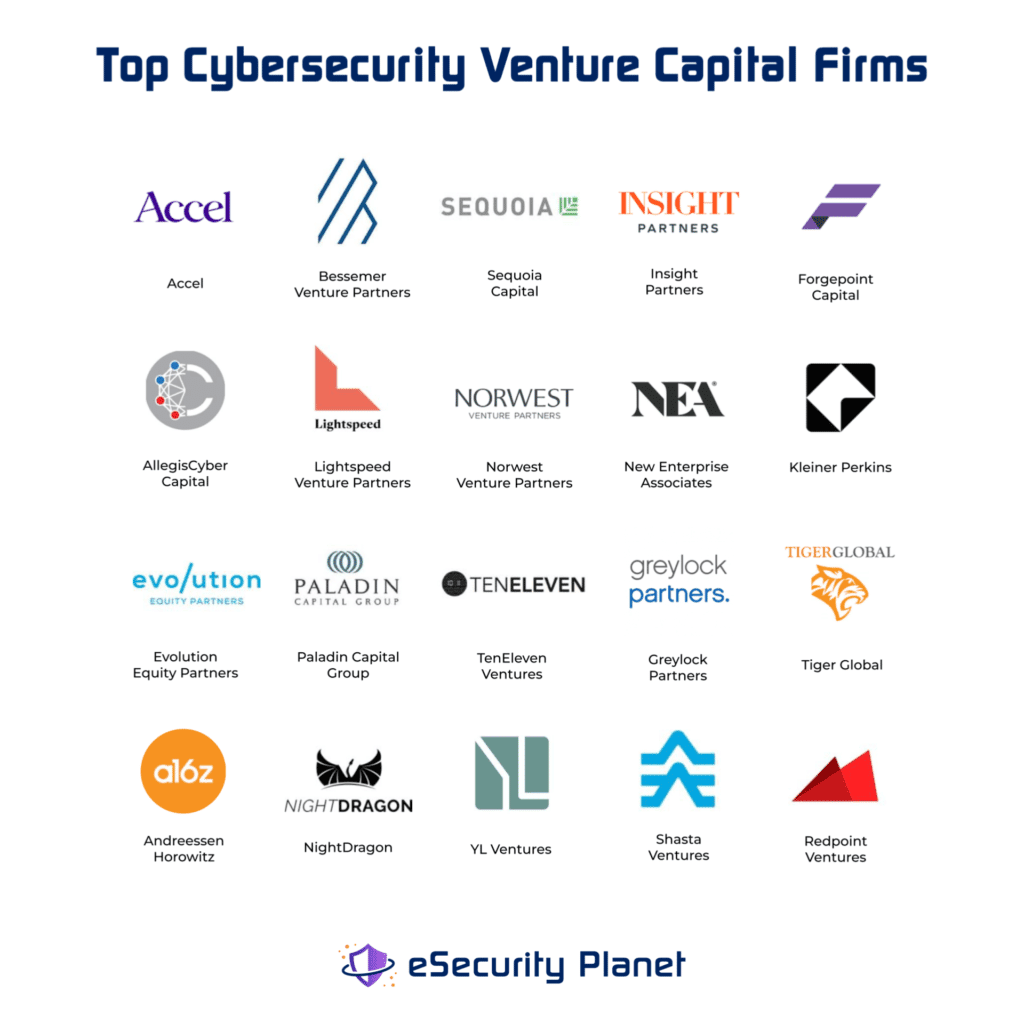
In the dynamic world of venture capital, a few firms have emerged as dominant players in the cybersecurity investment landscape. These firms have not only recognized the growing importance of cybersecurity but have strategically positioned themselves as catalysts for innovation and growth in this space. Venture capital firms such as Andreessen Horowitz, Insight Partners, and Sequoia Capital have led the charge, leveraging their significant capital and industry expertise to back groundbreaking cybersecurity startups.

Andreessen Horowitz, renowned for its forward-thinking approach, has consistently invested in next-gen cybersecurity solutions, aiding companies that seek to protect against evolving threats. Insight Partners has demonstrated an acute ability to identify emerging startups that offer unique solutions to complex cybersecurity challenges, thereby amplifying the firm’s influence in this sector.

Sequoia Capital, another prominent entity, has a long history of investing in transformative technologies, and its cybersecurity portfolio showcases its commitment to facilitating stronger and smarter internet safety protocols. These firms stand at the forefront of venture capitalists who understand that robust cybersecurity measures are no longer optional but essential for sustainable business growth.

Case Study: Successful Cybersecurity Investments

A critical factor in the success of these leading firms is their ability to recognize and invest in startups that are likely to reshape the cybersecurity landscape. For instance, Insight Partners’ investment in SentinelOne, which offers advanced AI-powered endpoint protection, turned out to be highly successful as the company went public, marking one of the largest initial public offerings in the cybersecurity sector in recent years.

Similarly, Andreessen Horowitz and Sequoia Capital have been pivotal in propelling companies like Tanium and Palo Alto Networks, respectively, to considerable market heights. Their strategic investments not only provided financial backing but also facilitated expanded market reach and accelerated product development for these companies.

As we transition to exploring the core cybersecurity challenges venture capital firms face today, understanding these success stories aids in illustrating effective strategies and commendable foresight in the sector. The upcoming discussion will delve into the challenges and innovative solutions that are shaping the cybersecurity landscape for venture capital firms.

Key Cybersecurity Challenges for Venture Capital Firms

In 2025, venture capital firms face a myriad of cybersecurity challenges stemming from their unique position at the intersection of finance and technology. With access to sensitive client information, proprietary data, and insights into groundbreaking technological innovations, these firms are appealing targets for cybercriminals. Ensuring robust cybersecurity measures is pivotal not only for protecting this valuable information but also for maintaining trust with their portfolio companies and investors.

Data Breaches and Their Consequences

The rising frequency and sophistication of data breaches pose a significant threat to venture capital firms. These incidents can lead to severe repercussions, including financial losses, reputational damage, and regulatory penalties. It is essential for firms to adopt comprehensive cybersecurity frameworks that cover everything from endpoint protection to incident response plans. A failure to protect client data can lead to loss of trust, which can have long-term adverse effects on business operations and capital access.

Adopting AI for Enhanced Security Measures

AI is increasingly becoming a vital tool in the arsenal of cybersecurity defenses for venture capital firms. By leveraging AI technologies, firms can automate threat detection and response processes. This shift not only improves efficiency but also enhances accuracy in identifying potential security breaches before they occur. Despite its potential, the adoption rate of AI across industries presents a challenge, as cited by the document, “90% of CX leaders believe digital transformation will significantly affect their industries by 2025, yet less than 30% feel they are prepared to keep up.” (“KEY CHALLENGES FOR CUSTOMER SERVICE (2025) — D-LAB research”) This highlights the necessity of proactive investment in AI tools and expertise to stay ahead in the cybersecurity domain.

The intricacy of venture capital firm operations, which involves numerous stakeholders and digital interfaces, also demands a higher tier of encrypted communications and secure transaction processes. By integrating AI into these facets, firms can significantly uplift their defense mechanisms, ensuring data integrity and fostering a secure environment conducive to innovation.

Armed with a comprehensive understanding of the cyber landscape, the next critical step lies in exploring how you can leverage AI-driven solutions to not only mitigate risks but also unlock new avenues for value creation. Embracing AI not only future-proofs security strategies but also transforms operational efficiencies and the overall approach to cybersecurity challenges.

AI-Driven Solutions Enhancing Security and Value Creation

In 2025, venture capital firms are increasingly relying on artificial intelligence to bolster their cybersecurity measures and augment value creation. AI technologies are not only reinforcing security infrastructures but also uncovering new opportunities for enhancing client engagement and operational efficiency.

Transforming Customer Service with AI

AI is profoundly transforming customer service operations within venture capital firms by addressing growing demands for personalization and round-the-clock assistance. “Challenge: customers demand 24/7 assistance, adoption of AI and automation increasing competitiveness. Resolution: AI provides real-time assistance, real-time recommendation engine, and collects customer sentiment. Outcome: 80% of customer issues resolved by AI” (“KEY CHALLENGES FOR CUSTOMER SERVICE (2025)—D-LAB research”). These advancements lead to more efficient customer interactions, reducing response times and directly impacting customer satisfaction.

Leveraging Predictive Analytics for Security

Moreover, predictive analytics powered by AI is playing a pivotal role in preemptive security strategies. By analyzing vast datasets, AI systems can identify potential threats and vulnerabilities before they materialize, significantly reducing the risk of breaches. Predictive models are enhancing the ability of firms to make data-driven decisions regarding security investments and protocols.

The synergy between AI and cybersecurity is creating a more resilient operational environment for venture capital firms. As these technologies evolve, they promise to uncover further opportunities for strategic growth and enhanced security.

Next, we will explore how these advanced cybersecurity measures are influencing global investment trends and fostering collaborations that drive ecosystem growth.

Global Perspectives on Cybersecurity Investment

In 2025, the global landscape for cybersecurity investment is marked by diverse regional trends. North America remains a leader, with substantial investments driven by the high stakes of protecting critical infrastructure and the increasing sophistication of cyber threats. Venture capital firms in this region are predominantly focusing on AI-enhanced cybersecurity solutions that promise to preempt threats effectively.

Europe, on the other hand, is navigating its multifaceted regulatory environment, encouraging investments in solutions that comply with rigorous data protection laws such as the GDPR. According to a report, a significant number of CX leaders in Europe acknowledge that cybersecurity and data privacy have become top priorities, but “only 28% of CX leaders report that their teams have advanced knowledge about data privacy best practices,” highlighting a gap that needs to be addressed (“KEY CHALLENGES FOR CUSTOMER SERVICE (2025) — D-LAB research”).

Meanwhile, regions like Asia-Pacific are emerging markets for cybersecurity investments, where increased digitalization and growing awareness of cyber threats are driving demand for robust security frameworks. Countries such as Singapore are taking proactive steps, establishing themselves as innovation hubs for cybersecurity.

Collaborations and Ecosystem Growth

Globally, the cybersecurity investment ecosystem is witnessing a rapid expansion fueled by strategic collaborations. Venture capital firms are increasingly partnering with governments and corporate R&D departments to enhance security postures. This collective effort is crucial as it aligns resources and expertise towards common cyber defense objectives.

Furthermore, ecosystem growth is facilitated by cross-border investments that allow firms to leverage regional strengths and address global cybersecurity challenges collectively. For instance, cities like Palo Alto, Tel Aviv, and London are notable for their vibrant ecosystems, fostering an environment where startup innovation meets experienced venture capital insight.

However, despite these encouraging trends, there are still significant hurdles to overcome. Studies show that “60% of consumers think businesses are falling short in data security,” which underscores the ongoing challenges facing this sector (“KEY CHALLENGES FOR CUSTOMER SERVICE (2025) — D-LAB research”). This perception calls for firms to double down on enhancing their cybersecurity postures through strategic investments and innovations.

As we move forward, understanding these global perspectives is vital for venture capital firms aiming to capitalize on the future potential of cybersecurity investments. In the next section, we will explore the emerging trends and technologies set to shape the future of cybersecurity investment in the venture capital landscape.

Future of Cybersecurity Investment in Venture Capital

As we approach 2025, venture capital investment in cybersecurity is poised to transform significantly, driven by emerging trends and technologies. A notable development is the rapid advancement in artificial intelligence and machine learning, which are empowering firms to create more resilient cybersecurity infrastructures. AI-driven predictive analytics is becoming a cornerstone in pre-empting cyber threats, enhancing the overall security posture of organizations. “90% of CX leaders believe digital transformation will significantly affect their industries by 2025” (“KEY CHALLENGES FOR CUSTOMER SERVICE (2025),” D-LAB research), underlining the heavy reliance on cutting-edge technologies.

Additionally, there is an increasing focus on developing solutions that ensure data privacy and protection as remote work and digital collaboration become more widespread. This shift is further driven by heightened regulatory scrutiny and the growing demand for secure digital products and services. With “83% of CX leaders saying DAA protection and cybersecurity are top priorities,” the emphasis on robust cybersecurity measures is more critical than ever (“KEY CHALLENGES FOR CUSTOMER SERVICE (2025),” D-LAB research).

Strategic Partnerships and Exits

In the landscape of venture capital, strategic partnerships are becoming essential for driving growth and facilitating exits in the cybersecurity sector. Collaboration between established tech firms and innovative startups can accelerate the development of next-generation cybersecurity solutions. These partnerships provide startups with the necessary resources and platforms to scale their operations and refine their products, ultimately leading to successful exits.

Moreover, early adoption of AI-enhanced cybersecurity measures can significantly influence exit strategies. Firms that have integrated AI into their cybersecurity protocols stand “128% more likely to report high ROI” from these tools, which can be a decisive factor in acquisition and merger discussions (“KEY CHALLENGES FOR CUSTOMER SERVICE (2025),” D-LAB research). Investors are actively seeking opportunities where AI-driven insights provide competitive advantages in the fiercely competitive cybersecurity market.

As cybersecurity remains central to business continuity and operational resilience, the venture capital landscape will continue to evolve, shaping a future characterized by enhanced security, strategic alignments, and tech-driven growth pathways.

The upcoming sections will delve deeper into the multifaceted implications of cybersecurity challenges and explore innovative AI solutions reshaping the industry.

Conclusion: Ensuring Resilience in a Cyber-Driven World

As the venture capital landscape continues to evolve, the importance of robust cybersecurity measures cannot be overstated. In 2025, VC firms must proactively embrace cybersecurity to protect their investments and maintain trust with stakeholders. The innovation and technological advancement driving the business world are also the forces magnifying cyber threats, making it essential to adapt quickly and efficiently to emerging risks.

Central to ensuring resilience is integrating AI and automation into cybersecurity strategies. With the growing complexity of cyber threats and the increasing volume of data breaches, leveraging AI-driven solutions can enhance security measures significantly. These technologies offer opportunities for real-time threat detection and response, minimizing the potential impact of cyber incidents on operations.

Additionally, as indicated by industry experts, deploying AI can help firms navigate customer service challenges by providing “AI-powered solutions” that “drive client retention and market share growth.” The shift towards digital transformation, supported by AI, underscores the need for firms to build a robust, data-driven foundation for decision-making (“KEY CHALLENGES FOR CUSTOMER SERVICE (2025) — D-LAB research”). This transition not only secures investments against cyber threats but also fosters growth and value creation.

Ultimately, the fusion of cutting-edge technology with strategic foresight will define the resilience and success of venture capital firms in this cyber-driven era. As firms invest in emerging technologies, forming strategic partnerships and staying abreast of international cybersecurity trends will be crucial.

The path forward requires a continuous commitment to innovation and collaboration. As we look to the future of cybersecurity investment, it is vital that venture capital firms remain agile, adapting to the rapid changes and leveraging partnerships to secure a sustainable and secure future.

Maximizing Value with Technology Due Diligence Consulting

In today’s fast-paced digital world, technology plays a pivotal role in driving business success, especially when it comes to mergers and acquisitions (M&A). But how do companies ensure that they are making sound investments in technology? This is where technology due diligence consulting comes in. According to a report by Deloitte, 65% of companies are now using technology due diligence as part of their M&A process, highlighting its growing importance in making informed decisions. By taking a close look at the tech landscape of potential acquisitions, companies can uncover hidden risks, identify growth opportunities, and ultimately ensure they are maximizing value from their investments. Whether you are looking to enhance the valuation of a portfolio company or protect valuable intellectual property, understanding and implementing technology due diligence can significantly impact your bottom line.

Understanding Technology Due Diligence Consulting

What Is Technology Due Diligence?

Technology due diligence is a comprehensive assessment process that evaluates the technological assets, liabilities, and potential of a company, particularly within the context of mergers and acquisitions (M&A). This process involves a thorough examination of a company’s software, hardware, data management, and IT infrastructure to ensure that it aligns with strategic business objectives and reveals any risks or shortcomings.

Why It Matters in M&A Transactions

In M&A transactions, understanding the technological landscape of a company can significantly influence the success and value of the deal. Thorough technology due diligence helps investors identify potential risks and opportunities, ensuring a seamless integration process and the preservation of business continuity post-acquisition. It provides a detailed insight into the technological viability and competitive edge a company might have, paving the way for informed investment decisions.

Key Components of a Thorough Tech Due Diligence

A comprehensive technology due diligence process involves investigating several key components:

Technology due diligence not only uncovers potential technology-related liabilities but also offers a roadmap for value creation post-acquisition. According to research, “better information leads to better decisions, which ultimately results in better outcomes” (“Portfolio Company Exit Preparation Technologies to Enhance Valuation — D-LAB research”).

As we delve into the next section, we will explore how technology due diligence can directly impact portfolio company valuation, a critical consideration for investors aiming to maximize returns.

Enhancing Portfolio Company Valuation

Preparation for Exit: Technologies That Enhance Valuation

Maximizing portfolio company valuation begins with strategic preparation for exit, which is crucial for stakeholders aiming to optimize returns on investment. Technology due diligence consulting plays a significant role in this by identifying key technological enhancements that can boost a company’s attractiveness to potential buyers.

Among the primary drivers of valuation enhancement is the integration of AI-driven technologies that boost operational efficiency and customer engagement. “AI Sales Agents and analytics tools” demonstrate the power of AI in augmenting sales strategies, as they can “reduce CAC, enhance close rates by 32%, shorten sales cycles by 40%, and increase revenue by 50%.” Incorporating these technologies ensures a streamlined sales process and can dramatically increase a company’s market valuation (“Portfolio Company Exit Preparation Technologies to Enhance Valuation — D-LAB research”).

Furthermore, leveraging AI to understand and retain customers has proven transformative. Customer retention is amplified through AI analytics, which “increase LTV, reduce churn by 30%, and increase revenue by 20%.” As investors look for stable revenue streams and robust customer bases, technologies that enhance customer engagement through personalized marketing and AI-driven customer success platforms become invaluable (“Portfolio Company Exit Preparation Technologies to Enhance Valuation — D-LAB research”).

Moreover, ensuring scalable operations can significantly boost valuation by aligning operational capabilities with growth projections. AI technologies such as predictive maintenance and process optimization can result in a “30% efficiency boost, 50% reduction in unplanned downtime, and 20-30% increase in machine lifetime,” establishing a strong defensive moat against operational disruptions (“Portfolio Company Exit Preparation Technologies to Enhance Valuation — D-LAB research”).

Role of AI in Value Creation

The role of AI in driving value creation cannot be overstated, offering remarkable advantages in various business aspects that contribute to enhanced valuation. The integration of AI allows companies to reformulate their customer experience strategies through tools that automate and personalize interactions at scale.

As we explore the impact of technology on safeguarding intellectual property and data, it becomes clear that AI’s potential in enhancing a company’s value stretches far beyond revenue growth, encompassing critical areas that ensure sustainable, long-term success.

Protecting Intellectual Property and Data

In the rapidly evolving technology landscape, protecting intellectual property (IP) and sensitive data is paramount to maintaining a company’s competitive edge and market valuation. Intellectual Property represents the innovative core that distinguishes a company from its competitors, playing a pivotal role in its potential value. Effective IP protection not only safeguards a company’s unique offerings but also creates opportunities for licensing, franchising, or selling (“IP can be licensed, franchised, or sold separately, providing additional revenue streams that enhance overall enterprise value.” — Portfolio Company Exit Preparation Technologies to Enhance Valuation D-LAB research).

With the increasing frequency of cyber threats, ensuring robust IP and data protection measures is essential. A solid cybersecurity strategy involves implementing standards such as ISO 27002, SOC 2, and the NIST 2.0 framework to protect against value-eroding breaches and to establish compliance readiness that builds buyer trust (“ISO 27002, SOC 2, and NIST frameworks defend against value-eroding breaches, derisking investments; compliance readiness boosts buyer trust.” — Portfolio Company Exit Preparation Technologies to Enhance Valuation D-LAB research).

Moreover, safeguarding customer data is crucial not only for regulatory compliance but also to maintain the trust of clients. Data breaches can severely damage a company’s reputation and financial standing. Hence, resilience to cyberattacks is a necessary strategic priority to prevent erosion of brand value.

As companies diligently protect their IP and data, they can reassure stakeholders of their commitment to security, enhancing their valuation and appeal in the eyes of investors. This protection is not simply a regulatory or ethical requirement; it is a strategic investment in the company’s long-term value.

Moving forward, the strategic focus on protecting these critical assets supports broader goals including increasing customer retention and boosting deal size, which will be explored further in the next section.

Increasing Revenue through Customer Retention

In today’s competitive business landscape, retaining customers is as critical as acquiring new ones, if not more so. A robust customer retention strategy not only ensures a steady revenue stream but also enhances the overall value of a business. Through the integration of cutting-edge technologies, businesses can significantly bolster their customer retention efforts, ultimately leading to increased revenue.

Utilizing AI Analytics for Customer Insights

One of the most effective ways to enhance customer retention is by leveraging AI analytics to gain comprehensive insights into customer behavior. By analyzing vast amounts of data, AI technologies can forecast customer needs, identify patterns, and anticipate future trends. These insights enable businesses to tailor their offerings and provide personalized experiences, which can significantly increase customer loyalty.

“GenAI analytics & success platforms increase LTV, reduce churn (-30%), and increase revenue (+20%). GenAI call centre assistants boost upselling and cross-selling by (+15%) and increase customer satisfaction (+25%).” (“Portfolio Company Exit Preparation Technologies to Enhance Valuation — D-LAB research”)

GenAI Platform for Enhanced Customer Interaction

Harnessing the capabilities of Generative AI (GenAI) platforms can revolutionize customer interaction. These platforms empower businesses to offer proactive support and personalized communications, addressing customer needs in real-time and fostering stronger relationships. Through the use of GenAI, businesses can efficiently manage customer queries and provide timely and relevant solutions, which are pivotal in retaining clients.

Additionally, GenAI-powered call centers can transform the customer service landscape by reducing the time agents spend searching for information, thus enabling them to focus on meaningful interactions that enhance the customer experience and satisfaction levels. This comprehensive approach to customer service not only helps in retaining customers but also plays a crucial role in upselling and cross-selling opportunities.

As businesses continue to embed these technologies into their operations, the benefits extend beyond customer retention, influencing overall revenue growth and market share. The subsequent section will delve into further revenue-generating strategies, focusing on how organizations can boost their deal size and volume through innovative AI implementations.

Boosting Deal Size and Volume

In the landscape of mergers and acquisitions (M&A), maximizing deal size and volume is crucial for achieving substantial value. Technology due diligence consulting plays a pivotal role in identifying and implementing strategies that lead to higher revenue and enhanced market position.

AI Sales Agents and Personalized Pricing

Leveraging AI technologies can dramatically increase the efficiency and effectiveness of sales teams. AI sales agents automate tasks, such as lead qualification and personalized customer outreach, significantly reducing manual labor and enhancing focus on high-potential opportunities. This “leads to a 50% increase in revenue and a 40% reduction in sales cycle time” (“Portfolio Company Exit Preparation Technologies to Enhance Valuation — D-LAB research”). Implementing dynamic pricing strategies supported by AI also allows companies to maximize profits by adapting to real-time market conditions and customer data, leading to “a 10-15% revenue increase and 2-5x profit gains.”

Leveraging Buyer Intent Data for Better Deal Closing

The ability to harness buyer intent data is another critical factor in boosting deals. This technology allows sales teams to preemptively identify potential leads by analyzing behavioral signals, thus targeting high-intent opportunities that are more likely to convert. Companies using this approach see a “32% increase in close rates and a 27% decrease in sales cycle length” (“Portfolio Company Exit Preparation Technologies to Enhance Valuation — D-LAB research”). This not only improves capital efficiency but also increases confidence in the company’s scalability and growth potential, making it a more attractive investment.

Effectively boosting deal size and volume requires a strategic approach that incorporates advanced AI tools and buyer intent analytics, ensuring that companies not only meet but exceed their sales targets without significant increases in customer acquisition costs. This strategic positioning sets the stage for further improvement in operational efficiencies in subsequent sections. As we transition to exploring ways to streamline manufacturing and operational efficiency, consider how such improvements can further solidify a company’s competitive edge.

Streamlining Manufacturing and Operational Efficiency

In the fast-paced manufacturing sector, the pursuit of operational efficiency is relentless. Companies must continually innovate to maintain a competitive edge through the adoption of advanced technologies. Embracing automated maintenance solutions and exploring the potential of lights-out factories are key components in this optimization journey.

Automated Maintenance and Lights-out Factories

Automated asset maintenance solutions are crucial in optimizing manufacturing processes. By leveraging AI for predictive maintenance, companies can achieve a “30% improvement in operational efficiency” and reduce “unplanned machine downtime by 50%, ultimately extending machine lifetime by 20-30%” (“Portfolio Company Exit Preparation Technologies to Enhance Valuation — D-LAB research”). These solutions minimize disruptions, increase output, and enhance capital efficiency.

Taking a step further, the concept of lights-out factories—facilities operating without human intervention through robotics, AI, and sensors—promises remarkable efficiency. These setups ensure a consistent production flow “24/7” while maintaining “99.99% quality rate,” and achieving a “30% increase in productivity output” (“Portfolio Company Exit Preparation Technologies to Enhance Valuation — D-LAB research”). Embracing such automation technologies equips businesses with resilience against labor shortages and market fluctuations.

Digital Twins and AI-Driven Process Optimization

Digital twins serve as virtual replicas of physical assets, offering insights into manufacturing processes. These tools allow for simulation and predictive analysis, yielding “41-54% increase in profit margins” by enhancing process efficiency and minimizing downtime (“Portfolio Company Exit Preparation Technologies to Enhance Valuation — D-LAB research”). Organizations employing digital twins can adapt quickly to changing conditions and continuously refine their production strategies.

Concurrent with digital twin usage, AI-driven process optimization significantly reduces manufacturing defects and inefficiencies. It enables companies to achieve a “40% reduction in manufacturing defects” and a “30% boost in operational efficiency” (“Portfolio Company Exit Preparation Technologies to Enhance Valuation — D-LAB research”). By identifying production bottlenecks and optimizing resource allocation, manufacturers can substantially cut costs and enhance product quality.

The strategic implementation of these technologies is paramount as businesses look to future-proof their operations and remain competitive in an ever-evolving market landscape. With an effective technology due diligence process, the alignment between innovation and operational goals becomes seamless. As we explore further, AI-driven innovations continue to reshape the way companies create value and anticipate future trends.

Future-Proofing with AI-Driven Innovations

In today’s rapidly evolving business landscape, leveraging AI-driven innovations has become paramount for companies looking to future-proof their operations and remain competitive. The integration of artificial intelligence into various aspects of a business not only enhances efficiency but also fosters innovation that aligns with future market demands.

Adopting AI Co-Pilots and Assistants

AI Co-Pilots and Assistants are revolutionizing how businesses approach workflow automation and employee productivity. “AI co-pilots provide context-aware, real-time suggestions, automating parts of tasks to enhance employee workflows. They are particularly useful in coding, where they enable faster and more accurate software development, contributing to a 55% reduction in coding time and a significant boost in code quality” (“Portfolio Company Exit Preparation Technologies to Enhance Valuation — D-LAB research”). Furthermore, AI Assistants excel in tasks such as information summarization, scheduling, and data processing, facilitating quicker decision-making processes and reducing workload. The adoption of these technologies can result in improved employee satisfaction and operational efficiency.

Developing Customer-Centric Products with AI

The demand for personalized customer experiences is growing, and businesses are turning to AI to meet these expectations. AI-driven tools enable the design and optimization of products by analyzing customer feedback and sentiment, thus ensuring that product development is both responsive and relevant. This approach not only accelerates time-to-market but also reduces R&D costs by 30% through the strategic use of customer insights, as seen in AI-driven competitive intelligence tools (“Portfolio Company Exit Preparation Technologies to Enhance Valuation — D-LAB research”). Implementing these technologies helps secure a competitive edge by aligning product offerings with customer demands, ensuring higher customer satisfaction and retention rates.

As businesses look to leverage AI-driven innovations for future-proofing, they must also consider complementary strategies to protect their intellectual property and data, ensuring their investments in AI yield maximum returns.

Conclusion: Better Information, Better Decisions, Better Outcomes

In the fast-paced realm of technology due diligence, having access to superior information is paramount. This translates to making informed decisions that lead to more favorable business outcomes. The essence of technology due diligence consulting lies in its ability to provide a robust, detailed overview of technological assets, liabilities, and opportunities.

Armed with comprehensive insights, businesses can make strategic decisions that are not only timely but also aligned with their long-term objectives. The direct correlation between knowledge and decision-making cannot be overstated: better information guides better decisions, which in turn pave the way for better outcomes. This philosophy is echoed by industry leaders who recognize that “Better Information. Better Decisions. Better Outcomes.” is not just a mantra but an actionable strategy (“Portfolio Company Exit Preparation Technologies to Enhance Valuation — D-LAB research”).

Moreover, amid the rapid advancement of technologies and market dynamics, staying one step ahead becomes crucial. Through meticulous due diligence, enterprises are better positioned to capitalize on emerging opportunities, and safeguard against risks, ultimately maximizing their value creation potential.

As we transition to exploring the detailed technologies and strategies that bolster various business facets, it becomes evident why investing in due diligence consulting can substantially fortify a company’s market standing and future growth trajectory. Each subsequent section will further deepen our understanding of how these processes can be harnessed effectively in specific business contexts.

Unlocking the Potential of the Due Diligence Period in Real Estate

Buying a property can be one of the most exciting yet daunting experiences in a person’s life. Whether you’re a first-time homebuyer or a seasoned investor, understanding every aspect of your potential purchase is crucial. This is where the due diligence period in real estate comes into play. Often described as a safeguard mechanism, this phase allows buyers to meticulously assess a property before closing the deal. It’s a critical time when a buyer can evaluate the property’s worth, uncover any underlying issues, and decide whether to proceed, renegotiate, or even walk away. In fact, a study by the National Association of Realtors found that 21% of real estate contracts are delayed due to issues found during due diligence. This highlights the importance of conducting thorough checks during this period. Join us as we explore how you can make the most of the due diligence period and turn it into an opportunity to make informed real estate decisions.

Understanding the Foundation: What is the Due Diligence Period?

Defining Due Diligence in Real Estate Transactions

The due diligence period in real estate is a critical phase where potential buyers assess the property they are considering purchasing. During this time, buyers have the opportunity to investigate various facets of the property to ensure that they are making a well-informed decision. This period is akin to a safety net, allowing buyers to uncover information about the property that might not be immediately apparent.

The primary purpose of due diligence is to “provide better information for better decisions and better outcomes.” This philosophy highlights the importance of having access to comprehensive data to make wise real estate investments. While this perfectly aligns with general business practices, it’s particularly pertinent to real estate due diligence as it mitigates potential risks and ensures buyers are aware of any underlying issues that could affect the property’s value or their investment returns.

Key Activities During the Due Diligence Phase

Throughout the due diligence period, several key activities are undertaken. These include property inspections to evaluate the condition of the building and its systems, a review of any legal encumbrances or zoning restrictions, and financial assessments to confirm the property’s value and the buyer’s financing arrangements. Each of these steps helps in eliminating surprises post-purchase, ensuring a smoother transaction process.

Another critical element involves examining any regulatory compliance issues. As noted by experts, industries often face “challenges navigating a labyrinth of rules and guidelines,” which underscores the necessity for thorough due diligence in real estate to avoid legal disputes or unexpected liabilities later on.

Now that we have a solid foundation of what constitutes the due diligence period, it’s essential to understand the timing aspect of these investigations. We will look into the duration of the due diligence period, comparing standard timelines and assessing how regional regulations influence it. This will give potential buyers and investors a clearer picture of the temporal scope of due diligence.

Navigating the Duration: How Long Does the Due Diligence Period Last?

Standard Timelines in Residential and Commercial Deals

The duration of the due diligence period in real estate can vary significantly depending on the type of transaction—residential or commercial. Typically, for residential real estate deals, the due diligence period lasts between 7 to 14 days. This timeframe is considered sufficient for most homebuyers to conduct necessary inspections, appraisals, and negotiate any repair requests or contract modifications.

On the other hand, commercial real estate transactions tend to require a more extended due diligence period, often ranging from 30 to 90 days or even longer. The complexity of commercial properties demands a comprehensive review that includes environmental assessments, zoning and land-use considerations, financial analysis, and more thorough inspections.

In either case, both parties usually agree on the duration at the contract’s inception, allowing for adjustments based on specific conditions or requirements that may emerge during the process.

Impact of Regional Regulations on Duration

Regional regulations significantly influence the length of the due diligence period. Local laws and customary practices may dictate the minimum or maximum duration allowable for due diligence, particularly in areas with distinct zoning laws or stringent environmental regulations. Compliance with these regional requirements can necessitate additional time, particularly when dealing with permits or specialized inspections.

Moreover, as noted by experts, navigating these regulations successfully is crucial. “With each state and country having their own set of rules, insurers find themselves navigating a labyrinth of rules and guidelines” (Insurance Industry Challenges & AI-Powered Solutions — D-LAB research). This complexity in regulations underscores the importance of due diligence in ensuring compliance and avoiding potential legal pitfalls. Attention to these regional specifics not only helps meet regulatory standards but also aids in making more informed investment decisions.

Understanding these timelines and regulatory impacts sets the stage for the subsequent steps in the due diligence process. Knowing what to expect time-wise can help streamline your approach, whether you engage in a residential or commercial transaction. With duration management addressed, it’s time to delve into the critical actions that must occur during the due diligence phase to ensure a successful transaction.

Crucial Steps in the Due Diligence Process

The due diligence period in real estate is a pivotal time when buyers meticulously analyze various facets of a property to ensure a wise investment. To navigate this process effectively, it’s essential to understand the crucial steps involved. These steps guarantee that buyers have a clear insight into what they are acquiring, minimizing potential risks.

Home Inspection: Analyzing the Property’s Condition

One of the first steps in the due diligence process is conducting a thorough home inspection. This examination involves a detailed evaluation of the property’s physical condition. Structural problems, roof conditions, plumbing, electrical systems, and potential pest infestations are scrutinized. Such assessments can unearth hidden issues, thus enabling buyers to negotiate repairs or adjourn from the deal if necessary.

Title Search and Survey: Ensuring Clear Ownership

Ensuring that a property’s title is clear from legal encumbrances is crucial. A title search checks for liens, easements, or other issues that may affect ownership. Moreover, a land survey is conducted to confirm that the property boundaries are accurately described. This step prevents future disputes over property lines and ensures the buyer receives the rightful ownership as agreed upon.

Financial Appraisal: Verifying the Property’s Value

A financial appraisal assesses the property’s market value, ensuring that the buyer is not overpaying. It’s a fundamental step for both the buyer and lender, especially if a mortgage is involved. The appraisal considers market trends, similar property values in the area, and unique features of the property. Discrepancies between the asking price and appraisal value can serve as a basis for further negotiations.

By meticulously undertaking these steps, buyers not only protect their investments but also position themselves to make informed decisions. As we delve into the intricacies of investment protection during due diligence, understanding insurance requirements becomes paramount.

Insurance Insights: Protecting Your Investment During Due Diligence

Navigating the due diligence period in real estate involves a careful assessment of various risks, a crucial part of which is understanding and securing appropriate insurance coverage. This step ensures that your investment is protected from unforeseen liabilities and damages that might surface during and after the transaction.

Assessing Insurance Needs and Potential Coverage

During the due diligence period, buyers should assess the existing insurance policies linked to the property and evaluate whether they provide sufficient coverage. This includes reviewing hazard insurance, liability coverage, and any specific policies related to natural disasters or property-specific risks. It’s essential to ensure that the policy terms, coverage limits, and premiums align with the buyer’s investment strategy and risk tolerance.

Given the rising impact of climate change, which has driven “global insurance losses from natural disasters” to significantly higher levels (“Insurance Industry Challenges & AI-Powered Solutions — D-LAB research”), buyers may face increased premiums or limitations in coverage for certain risks. Proactively addressing these insurance challenges can prevent costly surprises and help maintain the value of the investment.

AI-Driven Solutions for Efficient Insurance Due Diligence

In recent years, the integration of AI in the insurance industry has begun to address traditional inefficiencies and improve the risk assessment process significantly. AI solutions offer sophisticated analytical tools that streamline insurance underwriting, fraud detection, and claims processing.

“AI increases underwriters’ productivity by summarizing reports and policies” and optimizes pricing, enhancing the capacity to provide tailored insurance solutions that better fit consumer needs (“Insurance Industry Challenges & AI-Powered Solutions — D-LAB research”). For real estate investors, this means having access to more accurate, data-driven insights, which support better decision-making during the due diligence process.

Considering these insurance insights can arm potential buyers with information to ensure their investments are shielded against both traditional and evolving risks, thereby securing peace of mind and long-term value preservation. Next, we will delve deeper into how AI is shaping the future of due diligence in real estate, providing innovative tools that enhance efficiency and effectiveness in the assessment process.

AI and the Future of Due Diligence in Real Estate

The real estate industry is on the brink of transformation as artificial intelligence (AI) integrates into due diligence processes, promising to elevate efficiency, accuracy, and speed. In real estate transactions, AI is not just a tool but a catalyst for reimagining how due diligence is conducted.

Leveraging AI to Enhance the Due Diligence Process

AI can significantly streamline the due diligence period by automating tasks that traditionally consumed hours of manual labor. For instance, AI algorithms can quickly analyze vast amounts of data, from property titles to zoning restrictions, and identify potential red flags. This automation allows professionals to focus on higher-value activities, such as strategic planning and negotiation, rather than data collection and verification.

Moreover, through predictive analytics, AI offers enhanced capabilities in risk assessment, providing a detailed analysis that could pre-empt potential issues and provide buyers with deeper insights into property value and risk factors. This technological shift aligns with the broader trend of digital transformation across industries, as noted, where AI is used to drive operational efficiency and improve customer experience.

AI Tools Revolutionizing Real Estate Assessments

The advent of AI-powered tools is revolutionizing real estate assessments, offering new dimensions of analysis that were previously unattainable. For example, AI can assist in predicting property value fluctuations based on market trends, environmental changes, and urban development plans. Additionally, these tools can enhance the financial appraisal process by providing accurate, data-driven assessments of property investments.

By deploying AI in this capacity, stakeholders can ensure more accurate assessments, leading to informed decision-making. As seen in other sectors, such as insurance, AI implementation results in improved productivity and operational efficiency, demonstrating its potential to reshape traditional procedures effectively.

Integrating AI into due diligence not only paves the way for improved decision-making but also sets the foundation for future innovations. As we continue exploring how technology can refine these processes, the next section will delve into strategic approaches to maximize the benefits of due diligence, ensuring that technology and human expertise work hand in hand to achieve optimal outcomes.

Maximizing Benefits: Strategies for Effective Due Diligence

The due diligence period in real estate presents a valuable opportunity for both buyers and investors to conduct thorough assessments and make informed decisions. Leveraging the right strategies during this phase can ensure significant advantages and mitigate potential risks. Here are some effective strategies to maximize the benefits of the due diligence period.

Integrating AI for Informed Decision-Making

The integration of artificial intelligence into the due diligence process can revolutionize real estate assessments. By incorporating AI technologies, parties involved can streamline complex tasks such as data analysis, risk assessment, and regulatory compliance. This is particularly relevant in today’s rapidly evolving digital landscape, where “AI increases productivity by summarizing reports and policies, streamlining processes, and optimizing information processing for decision-making” (“Insurance Industry Challenges & AI-Powered Solutions — D-LAB research”). Consequently, stakeholders can achieve a comprehensive understanding of the property being evaluated, ultimately leading to better decision-making.

Tips for Buyers and Investors on Leveraging Technology

Buyers and investors can substantially benefit from utilizing technological tools that enhance accuracy and efficiency during the due diligence period. Employing AI-powered software can assist in identifying and evaluating relevant data trends, which aids in forecasting potential property value fluctuations. Additionally, automated solutions for documentation and compliance checks reduce human error and improve the efficiency of processing vast amounts of information.

Furthermore, ensuring that technology is appropriately tailored to individual needs is crucial. Real estate professionals should seek AI solutions that align with specific transaction goals and property types to maximize value creation during this critical phase.

As the necessity for efficiency and comprehensive analysis grows, the next focus should revolve around how AI advances in real estate assessments are gaining more acceptance and becoming integral in streamlining various aspects of due diligence processes.

Thoma Bravo’s Strategic Transformation of Bottomline Technologies

In the ever-evolving landscape of financial technology, few transformations garner as much attention as Thoma Bravo’s acquisition and transformation of Bottomline Technologies. This isn’t just another corporate maneuver; it’s a dynamic shift that has the potential to reshape how companies handle payment processes, banking interactions, and financial exchanges. Thoma Bravo, renowned for its strategic approach to software investments, acquired Bottomline in a deal valued at approximately $2.6 billion (source: Forbes). This move elevates Bottomline’s capabilities, promising innovation through technology and efficiency improvements. As we delve into this transformative phase, we explore the strategic decisions behind the acquisition and the opportunities it creates, offering a glimpse of what the future holds for Bottomline Technologies under Thoma Bravo’s stewardship.

Overview of the Acquisition

Thoma Bravo, a leading private equity firm, has acquired Bottomline Technologies, a prominent player in financial technology. This acquisition marks a significant milestone, not only in its sheer size but also in its strategic implications for both entities involved. Thoma Bravo’s well-documented expertise in software and technology transformations presents an opportunity to leverage its strengths to enhance Bottomline’s market position and operational efficiency.

The decision to acquire Bottomline Technologies is aligned with Thoma Bravo’s strategic intent to invest in companies with robust technological platforms. Bottomline’s expertise in innovative financial solutions, including payment processing and invoice automation, offers Thoma Bravo a strong foundation to expand its fintech portfolio. Together, they aim to harness synergistic benefits that can accelerate growth and fortify their competitive standing in the market.

With the acquisition, Thoma Bravo aims to infuse Bottomline with the necessary capital and strategic guidance to propel it into its next phase of growth. This move is expected to strengthen Bottomline’s existing capabilities, particularly in the development and adoption of disruptive technologies that are becoming increasingly essential in the financial and manufacturing sectors. As noted, “automation sits at the core of modern manufacturing plants” and technologies like AI and digital twins enhance production processes significantly, which may be an area for potential integration (“Manufacturing Industry Disruptive Technologies — D-LAB research”).

The strategic transformation initiated by Thoma Bravo is set to not only improve Bottomline’s product offerings and operational processes but also enhance customer experience globally. As the collaboration unfolds, a deeper analysis of Thoma Bravo’s background will provide further insight into how their expertise will contribute to Bottomline’s ongoing evolution.

Who Is Thoma Bravo?

Thoma Bravo is a distinguished private equity firm noted for its expansive portfolio and astute investments in the software and technology sectors. With a strategic focus on identifying and nurturing high-potential technology companies, Thoma Bravo has become a driving force in transforming businesses through its investment strategies and strong operational expertise.

Founded in 2008, the firm has developed a unique investment approach characterized by collaborative partnerships with company management teams. By leveraging extensive industry experience and a comprehensive understanding of market dynamics, Thoma Bravo supports its portfolio companies in maximizing their operational efficiencies and scaling their business operations.

Thoma Bravo’s success is evidenced by its portfolio of numerous successful investments, which include some of the world’s leading software and technology companies. This firm is renowned for its strong operational focus, deep industry insight, and a collaborative approach that empowers businesses to achieve transformative growth.

The next section will delve deeper into the significance of Thoma Bravo’s acquisition of Bottomline Technologies, exploring the strategic drivers behind this major investment and the expected synergies that will propel Bottomline into its next phase of growth.

Significance of the Bottomline Acquisition

The acquisition of Bottomline Technologies by Thoma Bravo is a strategic move that significantly impacts both entities and the broader tech and financial services landscapes. For Thoma Bravo, a private equity firm renowned for its specialization in software and technology-enabled services, this acquisition bolsters its portfolio, further enhancing its position as a leader in the financial technology sector. Bottomline, an innovator in digital payment solutions, stands to benefit from Thoma Bravo’s expertise and resources, potentially accelerating its growth and innovation.

Key Drivers Behind the Acquisition

One of the primary drivers behind this strategic acquisition is Bottomline Technologies’ robust suite of digital payment, cash management, and financial messaging solutions. These offerings align well with the growing demand for digital transformation in the financial services industry. By integrating Bottomline’s capabilities, Thoma Bravo is poised to leverage disruptive technologies and address the increasing consumer demand for streamlined digital transactions. Furthermore, the acquisition aligns with the broader industry shift towards automation and AI-driven solutions, providing Thoma Bravo with a technologically advanced platform to further innovate and expand.

Expected Benefits for Bottomline

Bottomline Technologies stands to gain significantly from Thoma Bravo’s experience in scaling software companies. The partnership will likely lead to enhanced operational efficiencies, increased market reach, and accelerated product development cycles. Leveraging Thoma Bravo’s industry expertise, Bottomline can better navigate the complexities of the evolving fintech landscape and focus more on core competencies. This acquisition could help Bottomline tap into new market segments and enhance its competitive edge in the digital payments industry.

Additionally, Thoma Bravo’s strategic insights and access to a network of tech industry leaders could further fuel Bottomline’s innovation efforts. The focus on artificial intelligence and machine learning technologies presents an opportunity to integrate cutting-edge solutions, potentially enhancing Bottomline’s product offerings and value proposition.

As we advance, examining how this acquisition intersects with the integration of disruptive technologies in manufacturing will be essential, particularly as it pertains to the use of AI and other innovations reshaping industries.

Incorporating Disruptive Technologies in Manufacturing

In the rapidly evolving landscape of manufacturing, the incorporation of disruptive technologies is reshaping traditional processes, optimizing efficiency, and driving forward innovative business models. At the heart of this transformation is the integration of advanced technologies like AI, digital twins, and fully automated ‘lights-out’ factories.

How AI is Being Leveraged for Transformation

Artificial Intelligence (AI) is at the forefront of revolutionizing manufacturing processes by enhancing decision-making and efficiency. Through predictive maintenance and process optimization, AI enables manufacturers to significantly reduce operational costs. “Automation sits at the core of modern manufacturing plants, employing robots, autonomous vehicles, and AI to perform repetitive tasks with precision” (“Manufacturing Industry Disruptive Technologies — D-LAB research”). Such enhancements lead to a substantial reduction in manufacturing defects and elevate the overall quality of production outputs.

Benefits of Lights-Out Manufacturing and Digital Twins

The concept of lights-out manufacturing introduces a new paradigm where factories operate 24/7 without human intervention, driven by robotics and AI technology. “Some manufacturers like Xiaomi are already implementing Lights out Factories, fully operated by AI and functioning without the need for human oversight” (“Manufacturing Industry Disruptive Technologies — D-LAB research”). These technologies not only maximize productivity but also maintain an impressive quality rate, ensuring minimal errors in production.

Moreover, the use of digital twins significantly aids manufacturers in simulating and optimizing their physical systems. “Virtual replicas of physical assets allow manufacturers to simulate scenarios and identify risks, enabling proactive improvements” (“Manufacturing Industry Disruptive Technologies — D-LAB research”). By using real-time data, manufacturers can anticipate problems before they arise, reducing downtime and improving the efficiency of manufacturing processes.

As we delve deeper into how these technologies are being situated within global operations, it becomes imperative to assess the impact on international strategies and local operations to truly understand the all-encompassing influence of such technological innovations.

The Global Impact: Offices and Operations

Following Thoma Bravo’s acquisition of Bottomline Technologies, a robust global presence is one of the key highlights of their operations strategy. The integration of Bottomline’s capabilities into the wider portfolio of Thoma Bravo has not only strengthened their foothold in the financial technology sector but also expanded their influence across international markets.

A Worldwide Presence: Key Office Locations

Maintaining a competitive edge in today’s fast-paced market requires a comprehensive global reach, and Thoma Bravo has successfully achieved this through strategic localization. The combined operations of Bottomline Technologies and Thoma Bravo span across significant financial hubs and innovative markets. According to the report “Manufacturing Industry Disruptive Technologies — D-LAB research,” the key locations include a strategic footprint in cities such as Palo Alto, Tel Aviv, Boston, London, Madrid, Milan, Dublin, Nice, Ho Chi Minh City, Buenos Aires, Istanbul, and Dubai.

This diverse presence enables Thoma Bravo to effectively manage operations and tap into regional expertise, providing tailored financial solutions to meet local needs while maintaining a consistent strategic direction.

How Global Strategies Influence Local Operations

The global distribution of offices is not just a matter of increasing geographical coverage; it is a well-thought-out strategy to influence local operations effectively. By embedding themselves within local markets, Thoma Bravo ensures a deeper understanding of local transactional dynamics and regulatory requirements, which in turn allows Bottomline Technologies to customize its solutions and strengthen customer relationships. This strategic positioning is crucial for responding swiftly to market changes and delivering innovative financial services globally.

Through their widespread offices, Thoma Bravo leverages knowledge accumulated from various markets to foster innovation and sustain competitive advantage. The company’s strategic growth has enabled them to not only respond to immediate market demands but also anticipate future trends, further establishing their leadership in this sector.

Following this section, we will delve into the remarkable value creation achieved by Thoma Bravo through the integration of cutting-edge AI technologies, further unlocking the potential of Bottomline Technologies in today’s digital landscape.

Value Creation Through AI

Team Behind the Innovations

The value creation journey at Bottomline Technologies is spearheaded by a team of experts who have dedicated their careers to harnessing the potential of AI. Ignacio Villanueva is one such visionary, serving as a Disruption and Value Creation Analyst. His tenure at Gartner has equipped him with unique insights into how emerging technologies can drive strategic growth and innovation. Another stalwart, Professor Andy Pardoe, brings over 30 years of experience. As a recognized AI leader, he offers a wealth of expertise gleaned from his ventures in the Informed.AI Group and AI Fund Venture Flows. Alejandro Boiardi rounds off this exceptional team, offering deep expertise in AI-driven solutions and machine learning, pivotal for Bottomline’s collaborative efforts in tech-driven transformations.

Real-world Applications and Benefits

AI’s role in value creation within Bottomline Technologies is multifaceted. By implementing AI in factory process optimization, the company is set to experience “a 40% reduction in manufacturing defects and a 30% boost in operational efficiency” (“Manufacturing Industry Disruptive Technologies — D-LAB research”). Moreover, this technology facilitates predictive maintenance, which not only enhances operational efficiency by 30% but also reduces maintenance costs substantially. AI allows the identification and prevention of quality failures, effectively addressing sustainability challenges and reducing production bottlenecks. With the assistance of digital twins, AI helps mimic production systems, “forecasting outcomes and ensuring that manufacturing processes are meticulously optimized” (“Manufacturing Industry Disruptive Technologies — D-LAB research”).

As we delve deeper into how these AI-driven strategies are adapted to market trends, we realize the profound impact this could have on resilient supply chains amidst disruptive forces.

In today’s rapidly evolving manufacturing landscape, keeping an ear to the market pulse is paramount for sustaining competitiveness and driving innovation. Thoma Bravo’s acquisition strategy for Bottomline Technologies illustrates a deep awareness of the transformative shifts shaping modern industries. By attentively observing market dynamics, Thoma Bravo adeptly identifies emerging disruptions and crafts strategies that align with the future trajectory of manufacturing.

Understanding Manufacturing Disruptions

The manufacturing sector is experiencing a seismic shift driven by relentless technological advancements and changing geopolitical landscapes. One key disruption stems from “China’s industrial expansion,” which is “threatening to flood international markets with cheap goods, causing local manufacturers to lose their competitive advantage” (“Manufacturing Industry Disruptive Technologies — D-LAB research”). As a countermeasure, Thoma Bravo’s focus encompasses hyper-automation, enabling Bottomline Technologies to not only optimize production costs but also fortify its competitive standing amid global challenges.

Supply Chain Resilience Strategies

With disruptions being an ever-present threat, the resilience of supply chains has never been more crucial. According to the D-LAB research, a staggering “77% of supply chain executives acknowledged the presence of disruptions in the last 12 months.” Recognizing this, Thoma Bravo emphasizes strategies that enhance supply chain robustness, such as diversifying production locations and leveraging AI-driven insights to optimize logistics and mitigate risks. By adopting these strategies, Bottomline Technologies is well-equipped to weather market uncertainties and seize opportunities for growth.

As we delve further, it’s essential to consider how these market trends influence not only operational strategies but also the broader organizational landscape, connecting the dots between global strategies and local operations.

Conclusion

Thoma Bravo’s strategic approach in acquiring Bottomline Technologies marks a pivotal step towards modernizing and enhancing its operations across the globe. With a focus on integrating cutting-edge technologies and optimizing operational processes, the acquisition underscores a commitment to driving innovation in the financial and payments solutions sector. This transformation strategy not only positions Thoma Bravo as a leader in the industry but also sets a precedent for how technology can be leveraged to create sustainable competitive advantages.

By harnessing advancements such as AI and digital twins, “manufacturers are able to enhance their production processes,” leading to increased throughput and an extended lifetime of their assets while simultaneously addressing sustainability challenges through efficient energy management and carbon accounting (“Manufacturing Industry Disruptive Technologies — D-LAB research”). These strategic implementations showcase how forward-thinking approaches can influence and reshape the landscape of business operations.

As global dynamics continue to evolve, the insights gleaned from this acquisition will likely offer valuable lessons for firms seeking to navigate the complexities of modern business environments. This sets the foundation for a future where listening to market trends, understanding manufacturing disruptions, and developing resilient supply chains become integral components of success.

Bottomline and Thoma Bravo: A Strategic Collaboration and the Future of Manufacturing

In the ever-evolving landscape of manufacturing and technology, collaborations often herald transformative change, setting the stage for innovation and progress. The strategic collaboration between Bottomline Technologies and private equity firm Thoma Bravo is one such partnership, poised to reshape the future of B2B payments within the manufacturing sector. By combining Bottomline’s expertise in payment solutions with Thoma Bravo’s strategic oversight and investment acumen, this collaboration promises not only to enhance operational efficiencies but also to drive significant innovation in the industry.

Thoma Bravo, known for its focus on technology-driven growth, completed its acquisition of Bottomline Technologies in May 2022, a move that valued Bottomline at approximately $2.6 billion. This acquisition represents a critical juncture for Bottomline as it seeks to leverage Thoma Bravo’s resources to expand its capabilities and reach. With the global manufacturing sector increasingly embracing disruptive technologies such as automation, AI, and eco-conscious production methods, Bottomline is well-positioned to develop tools that can facilitate smarter, greener, and more efficient business transactions.

As industries worldwide grapple with shifts in global supply chain dynamics and the pressing need for sustainable practices, this collaboration is about more than just business synergy—it’s about crafting a future where technology and manufacturing work hand in hand to overcome today’s challenges and seize tomorrow’s opportunities.

Overview of Thoma Bravo’s Acquisition of Bottomline

Key Details of the Acquisition Deal

Thoma Bravo, a leading private equity firm with a notable presence in the technology sector, completed its acquisition of Bottomline Technologies. Recognized for its strategic investments, Thoma Bravo aimed to leverage Bottomline’s expertise in business payments and financial technology solutions. This acquisition expands Thoma Bravo’s portfolio significantly, enhancing its presence in the rapidly growing fintech space.

What the Acquisition Means for Bottomline

Under Thoma Bravo’s ownership, Bottomline is poised to embark on a transformative journey that seeks to amplify its capabilities and market reach. The collaboration promises to bolster Bottomline’s innovation in financial technology, enabling it to pioneer new solutions in business payments and cash management. By tapping into Thoma Bravo’s resources and strategic insight, Bottomline is better positioned to respond to the evolving needs of the financial services sector and embrace emerging technologies seamlessly.

As we navigate through the implications of this acquisition in the broader tech landscape, it becomes evident that the partnership opens up new avenues for technology-driven growth and innovation.

Strategic Implications of the Acquisition in the Tech Sector

Expansion of Thoma Bravo’s Tech Portfolio

The acquisition of Bottomline by Thoma Bravo signifies a strategic expansion in its portfolio, particularly in the Tech sector. This move allows Thoma Bravo to tap into Bottomline’s expertise and innovations in payment solutions and cloud-based business services. As Bottomline brings its robust client base and specialized software, Thoma Bravo is poised to enhance its offerings and reinforce its presence in the digital financial infrastructure field.

Enhancing B2B Payments Through Innovation

Bottomline’s cutting-edge solutions in B2B payments provide Thoma Bravo with significant leverage to drive innovation in automated payment processing and cybersecurity features. This acquisition can lead to the development of more streamlined and secure transaction processes for businesses, heavily relying on AI and predictive analytics to bolster efficiencies and user experiences.

A study indicates that integrating predictive maintenance, digital twins, and AI allows for considerable augmentation of production processes, increasing throughput, and extending asset lifetimes (“Manufacturing Industry Disruptive Technologies — D-LAB research”). Such technological advancements could be mirrored in financial sectors, enhancing the efficiency of B2B payments.

The strategic implications of Thoma Bravo’s acquisition of Bottomline create a ripple effect not only within the tech sector but also across industries leveraging innovative payment platforms. As we delve into the disruptive technologies reshaping manufacturing, we’ll explore how these advancements are transforming operational landscapes globally.

Disruptive Technologies in Manufacturing

The manufacturing industry is amidst a technological revolution driven by innovative breakthroughs that promise to redefine traditional paradigms. A confluence of advanced automation, artificial intelligence (AI), and sustainability initiatives is reshaping the operational landscape, paving the way for unprecedented efficiencies and adaptability in the sector.

Automation and Smart Factories

Automation has transformed modern manufacturing plants, placing smart factories at the forefront of this technological shift. These facilities rely heavily on robotics, AI, and autonomous systems to execute repetitive and precision-driven tasks. Notably, “some manufacturers like Xiaomi are already implementing Lights out Factories, where factories are fully operated by AI and operate 24/7 without human intervention” (“Manufacturing Industry Disruptive Technologies — D-LAB research”). The implementation of such systems not only reduces production costs but also minimizes human errors and increases output quality.

Role of AI in Operational Efficiency

AI’s integration into manufacturing processes enhances operational efficiency by optimizing design, predicting maintenance requirements, and improving quality control. AI can “perform predictive maintenance, prescriptive maintenance, condition monitoring, and automated root cause analysis” which results in significant efficiency improvements (“Manufacturing Industry Disruptive Technologies — D-LAB research”). These capabilities lead to substantial cost savings and ensure that manufacturing lines run smoothly with minimal downtime.

Sustainability and Eco-Conscious Manufacturing

As environmental concerns continue to mount, manufacturers are increasingly turning to sustainable practices. AI-driven solutions such as Energy Management Software (EMS) enable real-time monitoring of energy consumption, leading to reduced carbon footprints and cost-effective energy usage. “Going green often leads to significant cost reductions in the long run, causing laggards to become uncompetitive” (“Manufacturing Industry Disruptive Technologies — D-LAB research”). Such technologies not only satisfy regulatory requirements but also cater to growing consumer demand for eco-conscious products.

In embracing these disruptive technologies, manufacturers position themselves to navigate an evolving market landscape with agility and foresight. This transformation extends beyond production efficiency, impacting global supply chain dynamics and opening avenues for further strategic ventures.

Global Impact and Geopolitical Considerations

Shifts in Global Supply Chain Dynamics

The strategic collaboration between Bottomline and Thoma Bravo occurs against a backdrop of significant shifts in global supply chain dynamics. With US tariffs aimed at addressing trade imbalances, manufacturers have encountered rising production costs and heightened supply chain uncertainties. Concurrently, China’s industrial growth poses a threat of market saturation with inexpensive goods, challenging manufacturers in developed economies to maintain their competitive edge. In response, many manufacturers in the US and other advanced economies are embracing hyper-automation to mitigate operational costs and enhance efficiency.

Trade Challenges and Technological Solutions

Geopolitical tensions and trade challenges continue to exacerbate supply chain disruptions, entailing severe financial repercussions. Such disruptions reportedly deprive businesses of $1.6 trillion in unrealized revenue annually, with production sites now seeking alternative locations in countries like Vietnam, India, or Mexico to mitigate dependence on Chinese manufacturing. Supply chain leaders are increasingly exploring reshoring strategies or nearshoring to allied nations to bolster resilience (“Supply chain disruptions cost businesses $1.6 trillion in unrealized revenue every year, causing them to miss out on 7.4% to 11% of revenue growth opportunities” — D-LAB research Manufacturing Industry Disruptive Technologies).

Technological advances, particularly in automation and AI, are increasingly deployed to navigate this complex landscape. AI-driven solutions have shown remarkable promise in optimizing supply chain logistics, reducing costs, and managing risks efficiently(“AI enhances planning to optimize inventory management, logistics, supply chain risk, and supply chain resilience.” — D-LAB research Manufacturing Industry Disruptive Technologies). These technological advancements present lucrative opportunities for industry players like Thoma Bravo and Bottomline, paving the way for substantial innovations in manufacturing strategic planning.

As we explore the avenues for value creation and future opportunities, it becomes essential to consider how such strategies can be effectively leveraged in this rapidly evolving landscape.

Value Creation and Future Opportunities

The strategic collaboration between Bottomline and Thoma Bravo is positioned to revolutionize the manufacturing landscape, unlocking immense value creation opportunities. Leveraging the technological capabilities and financial strategies of both entities, this partnership is set to drive innovation, efficiency, and growth within the sector. By harnessing the power of advanced technologies such as artificial intelligence (AI) and machine learning, the potential for transformative growth is substantial.

Leveraging AI for Business Growth

AI is set to play a pivotal role in driving business growth for Bottomline and Thoma Bravo. The integration of AI allows for optimization across various stages of manufacturing, from design to maintenance. According to the “Manufacturing Industry Disruptive Technologies — D-LAB research,” AI-enhanced factory process optimization solutions can lead to a “40% reduction in manufacturing defects,” thereby enhancing operational efficiency and reducing costs. Furthermore, the implementation of AI can lead to a significant “30% boost in operational efficiency” and a “25% reduction in environmental impact,” creating a compelling case for investment in AI-driven processes for sustainability and competitiveness.

Investment Opportunities Post Acquisition

The acquisition opens new avenues for investment, particularly in areas where AI can deliver high returns on investment (ROI). As outlined in the “Manufacturing Industry Disruptive Technologies — D-LAB research,” sectors such as lights-out factories and additive manufacturing represent high-ROI AI areas. These technologies enhance production capabilities while simultaneously cutting costs, providing a significant competitive edge in the market. The research further highlights that manufacturers utilizing advanced AI solutions are experiencing a 27% increase in valuations, solidifying the business case for investing in AI-driven technologies to enhance operational output and market presence.

As Bottomline and Thoma Bravo continue to explore these advanced technologies, the potential for future growth and value creation remains vast. By prioritizing AI and investing in innovative solutions, this partnership is set to redefine the boundaries of efficiency and sustainability in manufacturing. This strategic movement not only augments existing operations but also lays the groundwork for future developments and market expansions, connecting seamlessly to the upcoming discussion on strategic goals and potential challenges ahead for these dynamic enterprises.

The Path Forward for Bottomline and Thoma Bravo

The strategic collaboration between Bottomline and Thoma Bravo marks a significant leap forward in transforming the manufacturing landscape. As these two forces join hands, they aim to harness disruptive technologies that promise to reshape industry dynamics. For Bottomline, this partnership opens doors to innovative solutions critical in addressing modern manufacturing challenges.

Strategic Goals and Milestones

At the heart of this collaboration lies a vision to advance manufacturing processes with cutting-edge technologies. Thoma Bravo’s acquisition of Bottomline is not just a financial investment but a strategic move to incorporate advanced AI-driven solutions across manufacturing verticals. Their shared goal includes the “integration of predictive maintenance, digital twins, and AI,” which are set to “enhance production processes to increase throughput and extend the lifetime of their assets.” Such advancements are expected to position the company at the forefront of manufacturing innovation.

Additionally, the collaboration will focus on reducing operational costs through enhanced automation and process optimization. As highlighted, the drive towards “fully automated production facilities that operate without human intervention,” also known as “Lights-out Factories,” is gaining momentum. These technologies promise a “99.99% quality rate,” underscoring the potential for Bottomline to tap into efficiency-enhancing technologies.

Potential Roadblocks and Resilient Strategies

While the path forward is promising, it doesn’t come without its set of challenges. Supply chain disruptions and geopolitical tensions pose significant risks that could impact operational stability. However, the strategic foresight of Bottomline and Thoma Bravo equips them to navigate these hurdles effectively. By investing in “Blockchain for Secure Trade Transactions” and AI-driven “Customs Compliance,” the partnership is set to bolster supply chain resilience and optimize logistics management.

Moreover, echoing the current trend towards sustainability, both companies are motivated to “reduce greenhouse gas (GHG) emissions” and ensure compliance with stringent environmental regulations. This green agenda aligns with their strategy to promote sustainable practices while enhancing their brand appeal and operational efficiency.

As Bottomline and Thoma Bravo venture deeper into this collaboration, they promise exciting developments and breakthroughs that could redefine the industry’s future outlook. This strategic journey not only strengthens their market position but also sets a new benchmark for manufacturing excellence.

Continuing from this, let’s delve into how this partnership plans to foster a culture of continuous innovation and adaptation amidst evolving global dynamics.

Unlocking the SS&C Private Equity Edge with AI

Imagine navigating the intricate world of private equity with a powerful ally by your side: artificial intelligence (AI). This collaboration might sound like something out of a sci-fi story, but it’s very much a reality in today’s financial landscape. SS&C Technologies, a leader in investment and financial services, is unlocking new potential in private equity through the innovative use of AI. By leveraging cutting-edge AI solutions, SS&C is transforming traditional investment approaches, driving efficiency, and enhancing decision-making processes.

But why does this matter? In an industry where every insight can make a significant difference, AI’s ability to process vast amounts of data and identify patterns in real-time is nothing short of revolutionary. According to a survey by Deloitte, 79% of investment management firms with AI capabilities reported seeing a positive impact on their operating margins. This speaks volumes about the importance of embracing technology in finance. As we delve deeper, we’ll explore how SS&C is not just keeping up with these changes but is at the forefront, setting a new standard in private equity with the power of AI.

Understanding SS&C’s Place in Private Equity

A Brief History of SS&C Technologies

SS&C Technologies Holdings, Inc. was founded in 1986, initially focusing on providing software solutions for the financial services industry. Over the decades, SS&C has expanded its offerings through organic growth and strategic acquisitions, allowing it to cater to a diverse clientele in the private equity sector.

SS&C’s Evolution Through Strategic Acquisitions

SS&C has strategically acquired various companies over the years, significantly broadening its service portfolio. These acquisitions have not only enhanced its technological capabilities but also expanded its market reach. Through these integrations, SS&C has positioned itself as a leader in providing comprehensive solutions that address the unique challenges of the private equity market.

Core Services and Target Markets

Primarily operating in the financial services domain, SS&C offers a suite of solutions tailored for private equity clients. These services include fund administration, portfolio management, and risk analytics. The company’s target market spans global private equity firms, hedge funds, and other investment entities seeking robust and efficient management solutions. By addressing both operational needs and strategic objectives, SS&C plays a critical role in empowering these enterprises to navigate the complexities of modern financial landscapes.

Having established its prominence in the private equity sector, SS&C continues to innovate and adapt to industry shifts. The next section will delve into how technology, specifically AI, is reshaping the landscape of private equity investments.

The Role of Technology in Private Equity

The private equity landscape has been transforming rapidly with the integration of advanced technologies. As investors seek more efficient and innovative ways to drive value, technology has emerged as a vital catalyst for achieving superior outcomes. Within this sphere, Artificial Intelligence (AI) has particularly gained traction, redefining the means through which private equity firms operate and strategize.

AI-Powered Solutions Transforming Investments

AI is revolutionizing the investment approach by enhancing data analysis, enabling more precise market predictions, and streamlining operations. As noted in “Investment Services Industry Challenges & AI-Powered Solutions — D-LAB research”, AI solutions can significantly reduce costs and improve efficiency. For instance, AI-driven “Advisor Co-Pilot” systems have led to a “50% reduction in cost per account” and a “90% boost in information processing efficiency”. Such solutions empower financial advisors to optimize their workflow and better serve clients.

The integration of AI also facilitates personalized investment strategies, offering bespoke solutions to investors. This personalization improves client engagement by “35%”, showcasing AI’s potential to tailor experiences to individual investor needs. Moreover, AI enhances decision-making processes by providing real-time data insights and predictions, forming a comprehensive support system for investment strategies.

Case Studies: AI Implementation Successes in SS&C

SS&C Technologies stands out as a leader in leveraging AI for private equity. Their implementation of AI-driven platforms across various functions exemplifies their innovative approach. The successful deployment of AI solutions in their operations not only showcases improved investment strategies but also underscores a commitment to technological advancement. These AI applications have enabled SS&C to navigate complex market environments effectively, offering clients better outcomes and maintaining a competitive edge.

As these examples illustrate, the role of technology, particularly AI, in private equity is transformative, setting the stage for innovative growth and value creation. This momentum continually pushes industry boundaries, urging firms to adopt such technologies for sustained success.

As we move forward to explore the market dynamics and challenges faced by the investment services industry, we will delve into how these shifts are shaping strategic approaches and the continued integration of AI solutions.

Challenges in the Investment Services Industry

Competitive Pressures and Market Shifts

The investment services industry is facing significant competitive pressures as major players like Vanguard drive competition by lowering fees. This trend has forced many firms to follow suit, leading to reduced profit margins. Additionally, there has been a noticeable shift in investment preferences towards passive funds. This shift is intensifying competition within active fund management and continuously driving fees down. As a result, investment service providers must find innovative ways to stay competitive while maintaining profitability.

Market volatility and valuation concerns remain at the forefront for firms in the investment services industry. “The US and Europe’s high-debt environments, coupled with increasing market dispersion across stocks, sectors, and regions, contribute to heightened market volatility” (“Investment Services Industry Challenges & AI-Powered Solutions — D-LAB research”). The current forward P/E ratio for the S&P 500 implies potential overvaluation, echoing concerns of financial instability. This situation, exacerbated by the fierce competition among active management funds, presents additional challenges for investment firms striving to mitigate financial stress and maintain investor confidence.

As we explore these challenges further, it becomes apparent that leveraging AI can offer solutions to navigate these complex landscapes more effectively.

Leveraging AI for Better Outcomes in Private Equity

In the rapidly evolving landscape of private equity, AI is proving to be a pivotal force driving better outcomes. By integrating AI-driven technologies, firms can unlock new levels of efficiency, accuracy, and strategic potential.

AI-Driven Value Creation Strategies

One core advantage of AI in private equity is its ability to devise innovative value creation strategies. AI tools offer profound insights into market trends, competitor analysis, and consumer behavior, which can be leveraged to inform investment decisions and drive growth. As expressed by Ignacio Villanueva, who combines a robust technical background with strategic growth insights, “the transformative potential of Generative AI can revolutionize industries and provide businesses with a sustainable competitive advantage” (“Investment Services Industry Challenges & AI-Powered Solutions — D-LAB research”).

Real World Impacts on Efficiency and Decision-Making

AI’s impact is equally significant in enhancing operational efficiency and informed decision-making. By automating routine tasks such as document processing, report generation, and compliance checks, AI significantly reduces the workload on human resources, allowing them to focus on higher-value activities. According to research, there’s “a 90% boost in information processing efficiency,” underscoring AI’s role in streamlining operations (“Investment Services Industry Challenges & AI-Powered Solutions — D-LAB research”). Additionally, AI facilitates real-time data analysis and personalized investor recommendations, markedly improving client engagement and satisfaction levels by 35% (“Investment Services Industry Challenges & AI-Powered Solutions — D-LAB research”).

These AI-driven solutions not only contribute to operational excellence but also empower private equity firms to navigate challenges such as competitive pressures and market volatility with greater agility and foresight. As the private equity landscape continues to evolve, the strategic implementation of AI will undoubtedly play a critical role in shaping a more resilient and innovative future.

Looking ahead, we delve into the vision for the future of SS&C Private Equity and how AI is positioned to transform its landscape further. This forward-looking exploration will uncover the predicted trends in technology and investments, painting a clearer picture of what’s to come.

The Future of SS&C Private Equity

As we look towards the future, SS&C Technologies is poised to revolutionize the private equity landscape with its commitment to embracing cutting-edge technology. The acceleration of artificial intelligence is reshaping investments, promising a more efficient, data-driven approach to decision-making. For SS&C, this means leveraging AI to enhance its core offerings and remain at the forefront of industry innovations.

The private equity sector is anticipating several transformative trends. Among them, the integration of AI-driven solutions is set to redefine how data is processed and interpreted, leading to more robust investment strategies. The upcoming years will likely see SS&C pushing the boundaries of AI capabilities, from streamlining portfolio management to improving predictive analytics. By integrating AI deeply into their operations, SS&C aims to offer “better information, better decisions, and better outcomes” for their clientele, reinforcing their competitive edge in the market—this reflection aligns with the insights shared in “Investment Services Industry Challenges & AI-Powered Solutions — D-LAB research.”

SS&C’s Vision for Tomorrow’s Private Equity Landscape

SS&C envisions a future where technology not only enhances operational efficiency but also transforms the entire value chain of private equity. This vision involves deploying AI to automate workflows and streamline processes, which are expected to drive down management costs significantly. Such advancements will enable SS&C to maintain resilience amid shifting market dynamics while fostering stronger investor relationships through tailored, data-informed solutions.

As SS&C continues to navigate this evolving landscape, the focus will be on using AI to create value for their clients by making more informed, strategic decisions. This commitment to innovation underlines their strategy to differentiate themselves in a competitive market.

Looking forward, the insights and perspectives from industry experts will provide invaluable guidance as SS&C implements these forward-thinking strategies, demonstrating how AI can be an unparalleled ally in achieving growth and innovation.

Next, we’ll explore expert insights from key thought leaders in the field, delving into their perspectives on AI-driven disruption and innovation in private equity. These valuable insights will shed light on the profound changes AI is bringing to the industry and the future direction of private equity investments.

Expert Insights from Diligize

Insights from Ignacio Villanueva on Disruption

Ignacio Villanueva, a seasoned Disruption and Value Creation Analyst at Diligize, emphasizes the transformative potential of AI technologies, especially Generative AI, in the private equity landscape. According to Villanueva, AI has the capacity to “revolutionize industries and provide businesses with a sustainable competitive advantage” by enabling better information flow and decision-making processes (“Investment Services Industry Challenges & AI-Powered Solutions” — D-LAB research). His insights are grounded in his extensive experience advising C-suite executives at tech startups, bringing a unique blend of technical and strategic acumen to the table.

Professor Andy Pardoe on AI Innovations

Professor Andy Pardoe, an AI luminary with three decades of experience, shares his thought leadership on AI technologies’ role in driving innovation and business transformation. At Diligize, he emphasizes the importance of strategic implementation of AI to achieve sustainable growth and operational efficiencies. By integrating AI into private equity practices, companies can unlock new pathways to value creation and innovation, further solidifying their market positioning.

Alejandro Boiardi’s Perspective on AI in Investments

Alejandro Boiardi, VP of Value Creation with AI, highlights the strategic deployment of AI-driven solutions, such as voice of customer analytics and online news processing, to enhance decision-making in investments. His work focuses on using machine learning to identify growth patterns and develop complex algorithms for financial analysis, indicating a profound shift in how AI can augment traditional investment strategies. Boiardi’s technical expertise showcases how AI can unravel new insights and efficiencies in private equity deal origination and value creation.

As we delve deeper into the integration of AI within private equity, it becomes evident that these expert insights from Diligize pave the way for more efficient and innovative investment strategies, setting the stage for further exploration into technology’s role in shaping the future of private equity.